

which space is best for you a coffee shop or a coworking space

Which Space Is Best for You: A Coffee Shop or a Coworking Space?

posted in: Coworking Spaces | 0

In today’s fast-paced world, where remote work is becoming the norm, choosing the right workspace is essential for productivity and creativity. Imagine sipping your favorite coffee while working in a cozy cafe, or picture yourself in a vibrant coworking space buzzing with like-minded professionals. Each option offers its unique vibe and advantages, but which one truly suits your work style? Whether you thrive in the lively atmosphere of a coffee shop or prefer the structured environment of a coworking space, finding your ideal setting can make all the difference. Join us as we explore the pros and cons of each space to help you make the best choice for your work needs!

💡 Are you looking for Coworking space in Gurgaon, Noida or Delhi? We are just a call away.
Call Now:   08999 828282

Comparison between Coffee Shop and Coworking Space

  1. Ambiance and Productivity
  2. Cost-Effectiveness
  3. Reliable Internet Connection
  4. Amenities and Perks
  5. Networking Opportunities
  6. Distraction Management
  7. Flexibility of Use
  8. Professional Image
  9. Access to a Community
  10. Work-Life Balance

1. Ambiance and Productivity

Coffee shops often provide a casual, vibrant atmosphere that some people find stimulating. However, the background noise can be distracting for tasks that need deep focus. In contrast, coworking spaces are designed for productivity, offering quiet zones, meeting rooms, and a professional environment.
 

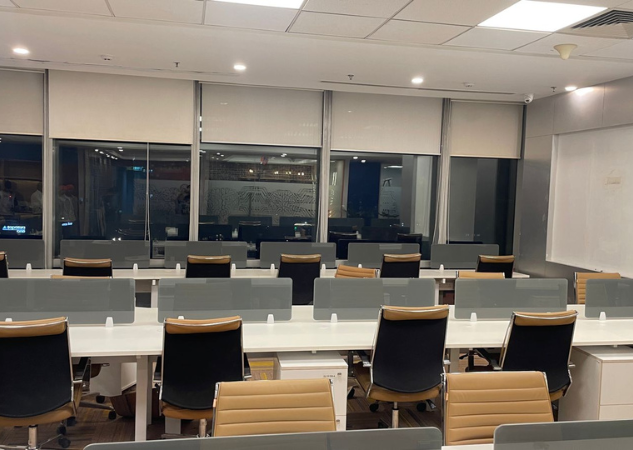
The Office Pass Noida
The Office Pass (TOP) Coworking Space in Noida

2. Cost-Effectiveness

Coffee shops are economical upfront—you only need to buy a coffee to secure a seat. However, repeated visits add up over time. On the other hand, affordable coworking spaces near me often provide better value for long-term work, offering packages that include amenities like Wi-Fi, printing, and beverages.

3. Reliable Internet Connection

Most coffee shops provide free Wi-Fi, but the speed and reliability can vary greatly. In coworking spaces, internet connections are typically fast and consistent, designed to support business operations. This is a key factor for remote workers who rely on stable connectivity.

Also Read: How is coffee affecting your productivity in the office?

4. Amenities and Perks

Coworking spaces shine when it comes to amenities. They often include ergonomic furniture, private meeting rooms, and even wellness programs. Coffee shops, while cozy, are limited to basic facilities like tables, chairs, and coffee.

5. Networking Opportunities

A coffee shop for remote work might help you meet other freelancers casually, but the connections are often random. Coworking space benefits include networking events and the chance to meet like-minded professionals, making them ideal for collaboration and growth.

6. Distraction Management

Coffee shops can be bustling with noise from customers, making it hard to focus during peak hours. Coworking spaces provide a distraction-free environment, helping you concentrate better on your work.

7. Flexibility of Use

Coffee shops don’t usually have rules, so you can come and go as you like. However, seating is not guaranteed during busy times. Coworking spaces offer more predictable access, with flexible plans ranging from hourly use to dedicated desks.

8. Professional Image

If you frequently meet clients, coworking spaces give a professional edge. Hosting meetings in a coffee shop might work for casual discussions, but it may not leave the best impression for formal business dealings.

💡 Are you looking for Coworking space in Gurgaon, Noida or Delhi? We are just a call away.
Call Now:   08999 828282

9. Access to a Community

Coworking spaces foster a sense of belonging. They are designed to create a community of professionals working together. This makes them one of the best places to work remotely if you value social interaction without the chaos of a public space.

10. Work-Life Balance

Working in a coworking space helps establish boundaries between home and work life. Coffee shops, while convenient, can sometimes blur these lines, making it harder to maintain a structured routine.

Deciding between a coffee shop and a coworking space can significantly impact your productivity and comfort. While coffee shops offer a casual atmosphere, they often lack essential amenities and a focused environment. On the other hand, coworking spaces provide a professional setting with reliable Wi-Fi, meeting rooms, and networking opportunities. For the best of both worlds, consider setting up your office at The Office Pass (TOP), where you can enjoy a vibrant workspace tailored for productivity and collaboration. With flexible membership options and modern amenities, TOP is the ideal choice for professionals seeking the perfect balance between work and comfort. Call to contact TOP at 08999 828282.

FREQUENTLY ASKED QUESTIONS (FAQS):

Question: What are the advantages of choosing a coworking space over a coffee shop?

Answer: Coworking spaces offer a professional work environment, reliable Wi-Fi, and access to amenities like meeting rooms and printers. They are designed for productivity, unlike coffee shops, which can be noisy and lack privacy.

Question: How can I find affordable coworking spaces near me?

Answer: Search online using keywords like “affordable coworking spaces near me” or check websites that list coworking spaces in your area. You can also explore local options through apps or community boards.

Question: Are coffee shops a good option for remote work?

Answer: Coffee shops can be great for short-term work or a change of scenery. However, they might not be ideal for long hours due to noise, limited seating, or unreliable internet.

Question: What are the benefits of working in a coworking space?

Answer: Coworking space benefits include networking opportunities, better focus, and access to facilities like ergonomic seating, office supplies, and unlimited coffee.

Question: Why are coworking spaces considered one of the best places to work remotely?

Answer: Coworking spaces provide a balance between comfort and productivity. They are designed for remote workers and have everything you need to work efficiently, including fast internet and a professional setting.

Question: Is a coffee shop or coworking space better for collaboration?

Answer: Coworking spaces are better for collaboration because they often have meeting rooms and shared spaces where teams can work together. Coffee shops usually lack the privacy and tools needed for effective teamwork.

Question: What are the advantages of coworking spaces for freelancers?

Answer: Coworking spaces offer freelancers a structured work environment, opportunities to network with other professionals, and a way to separate work from home life.

Question: How does the cost of a coworking space compare to working in a coffee shop?

Answer: While coworking spaces may seem more expensive, they provide value through amenities, reliable internet, and a professional environment. In contrast, the cost of frequent coffee purchases in a café can add up over time.

Question: Can coffee shops be considered affordable alternatives to coworking spaces?

Answer: Coffee shops can be affordable if you only need a place to work occasionally. However, if you require a consistent, distraction-free space with amenities, coworking spaces are a better long-term investment.

Question: Which is better for networking: coworking spaces or coffee shops?

Answer: Coworking spaces are better for networking since they bring together professionals from various industries in one place. Many coworking spaces also host events and workshops to foster connections.

BOOK A COWORKING TOUR

how coworking spaces empower the gig economy in india

How Coworking Spaces Empower the Gig Economy in India?

posted in: Coworking Spaces | 0

The gig economy in India is rapidly growing, offering flexibility and independence to professionals across various sectors. Freelancers, startups, and entrepreneurs increasingly seek dynamic work environments that match their needs. Coworking spaces in India have emerged as a perfect solution, bridging the gap between traditional offices and remote work. Read this blog post to examine how coworking spaces empower the gig economy in India. 

💡 Are you looking for Coworking space in Gurgaon, Noida or Delhi? We are just a call away.
Call Now:   08999 828282

10 Best Information on How Coworking Spaces Empower the Gig Economy in India

  1. Affordable Workspace Options
  2. Flexible Membership Plans
  3. Networking Opportunities
  4. Access to Premium Amenities
  5. Encouraging Innovation
  6. Enhanced Work-Life Balance
  7. Location Advantages
  8. Skill Development Opportunities
  9. Fostering a Community Feel
  10. Scalability for Startups

1. Affordable Workspace Options

Coworking spaces offer cost-effective solutions compared to renting a traditional office. This is particularly beneficial for freelancers and startups with limited budgets. These spaces eliminate overhead costs such as utilities and maintenance, making them ideal for gig economy workers.


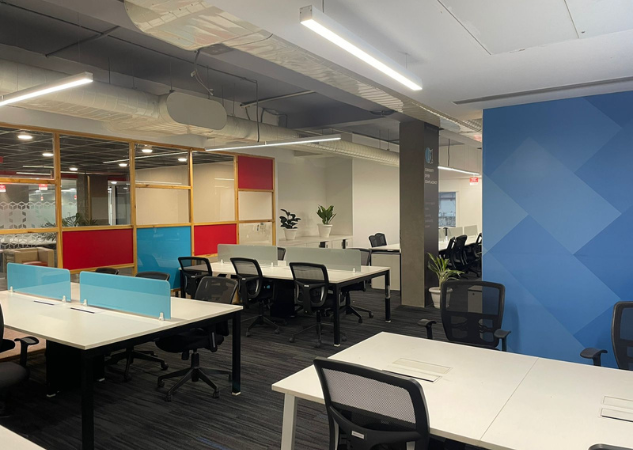
The Office Pass South Delhi
 The Office Pass (TOP) Coworking Space in Delhi

2. Flexible Membership Plans

Gig economy professionals value flexibility. Coworking spaces in India provide various membership plans, such as hourly, daily, or monthly options, allowing freelancers and startups to choose plans that align with their schedules and work requirements.

3. Networking Opportunities

Coworking spaces for startups and freelancers foster collaboration by bringing together professionals from diverse industries. This environment helps build networks, exchange ideas, and even find potential clients or collaborators, essential for success in the gig economy.

Also Read: The Psychological Advantages of Coworking Spaces

4. Access to Premium Amenities

Unlike working from home or a café, coworking spaces offer access to premium amenities such as high-speed internet, conference rooms, ergonomic furniture, and printing services. These features enhance productivity and provide a professional environment for client meetings.

5. Encouraging Innovation

Coworking spaces for entrepreneurs are designed to spark creativity. The open layouts, modern interiors, and collaborative vibe encourage innovation and out-of-the-box thinking, essential for gig workers aiming to stay competitive.

6. Enhanced Work-Life Balance

Freelancers and gig workers often struggle to maintain a boundary between work and personal life. Coworking spaces help separate professional and personal spaces, fostering better work-life balance and mental well-being.

7. Location Advantages

Coworking spaces in India are often strategically located in prime business hubs, offering easy access to public transport and clients. This convenience makes them ideal for gig economy workers needing to meet clients or attend events.

8. Skill Development Opportunities

Many coworking spaces host workshops, training sessions, and networking events. These activities provide gig economy professionals with opportunities to upskill and stay updated with industry trends.

💡 Are you looking for Coworking space in Gurgaon, Noida or Delhi? We are just a call away.
Call Now:   08999 828282

9. Fostering a Community Feel

Working independently can often feel isolating. Coworking spaces create a sense of belonging by offering a community of like-minded professionals. This support system can boost morale and motivation.

10. Scalability for Startups

Coworking spaces for startups allow businesses to scale up or down effortlessly. Startups in the gig economy can begin with a single desk and expand as their team grows, without the long-term commitments of traditional leases.

Coworking spaces are revolutionizing the gig economy in India by offering affordable, flexible, and well-equipped work environments. They empower freelancers and gig workers with networking opportunities and professional infrastructure. The Office Pass (TOP) stands out as a top choice, providing vibrant spaces tailored to your needs. Take your gig career to the next level with TOP. Contact 08999 828282 today to book your space!

FREQUENTLY ASKED QUESTIONS (FAQS):

Question: What is the gig economy in India, and why is it growing?

Answer: The gig economy in India is a labor market where people work on short-term or freelance contracts instead of permanent jobs. It’s growing because of increased internet access, flexible work preferences, and the rise of platforms connecting freelancers to clients.

Question: How do coworking spaces in India benefit the gig economy workforce?

Answer: Coworking spaces provide affordable, professional environments with essential amenities like Wi-Fi, meeting rooms, and networking opportunities. These spaces help gig workers stay productive and connected.

Question: Why are coworking spaces ideal for freelancers in India?

Answer: Coworking spaces for freelancers offer flexible plans, creative environments, and the chance to meet other professionals. This is ideal for freelancers who might otherwise work in isolation.

Question: Can coworking spaces support startups in the gig economy?

Answer: Yes, coworking spaces for startups provide cost-effective office solutions, making it easier for small teams to operate without committing to expensive leases. They also offer opportunities for collaboration and mentorship.

Question: What are the advantages of coworking spaces for entrepreneurs in India?

Answer: Coworking spaces for entrepreneurs provide a professional image, access to resources, and networking with like-minded individuals. They reduce the overhead costs of traditional office setups.

Question: How does coworking empower the gig economy workforce?

Answer: Coworking spaces empower the gig economy workforce by offering a structured work environment, fostering community, and helping individuals focus on their tasks without distractions at home.

Question: Are coworking spaces affordable for freelancers and gig workers in India?

Answer: Yes, many coworking spaces in India offer flexible pricing plans, including hourly or daily passes, making them affordable for freelancers and gig workers.

Question: What role do coworking spaces play in enhancing productivity?

Answer: Coworking spaces enhance productivity by offering quiet, well-equipped environments that minimize distractions. Many workers find they can focus better than they would at home or in cafes.

Question: How do coworking spaces in India help with networking?

Answer: Coworking spaces in India host events, workshops, and social gatherings. These activities help freelancers, entrepreneurs, and gig workers connect and collaborate with others.

Question: Are coworking spaces suitable for part-time gig workers?

Answer: Absolutely! Coworking spaces offer flexible plans that suit part-time gig workers. They can use these spaces only when needed, avoiding unnecessary expenses.

BOOK A COWORKING TOUR

optimal utilization of office space best practices

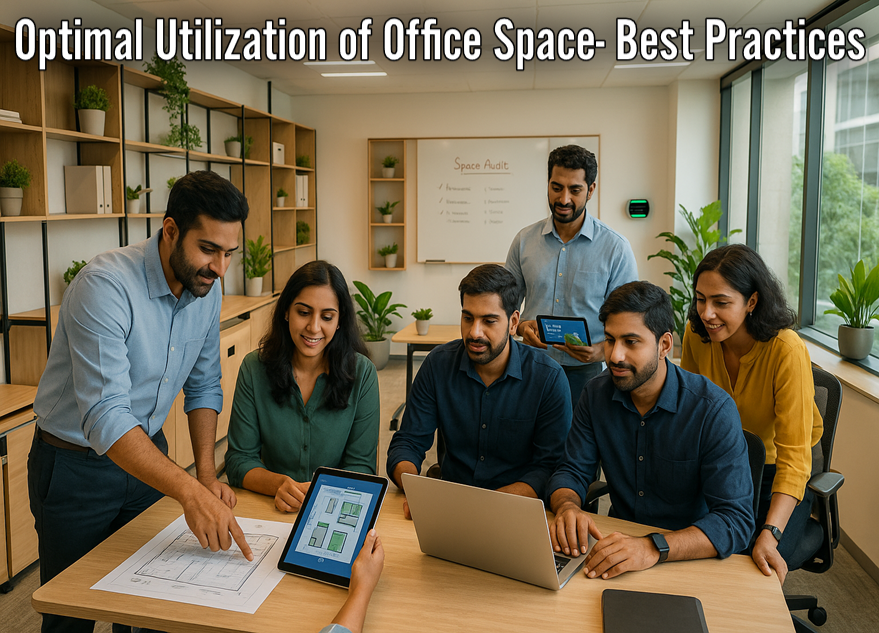
Optimal Utilization of Office Space- Best Practices

posted in: Coworking Spaces | 0

Maximizing office space isn’t just about fitting more desks into a room—it’s about creating an environment that fosters productivity, collaboration, and well-being. In today’s dynamic work culture, efficient office space utilization is a top priority for businesses aiming to balance functionality with employee comfort. From smart layouts to flexible furniture and technology integration, there are numerous ways to make every square foot count. This blog explores the best practices for optimizing office space, ensuring it meets the demands of a modern workforce. Let’s dive in and uncover strategies to transform your workspace into a hub of efficiency and innovation.

💡 Are you looking for Coworking space in Gurgaon, Noida or Delhi? We are just a call away.
Call Now:   08999 828282

10 Best Practices for Optimal Utilization of Office Space

  1. Adopt Modern Office Design Ideas
  2. Plan for Flexible Workstations
  3. Maximize Vertical Space
  4. Leverage Multi-Functional Furniture
  5. Design for Productivity
  6. Improve Lighting and Ventilation
  7. Declutter and Organize Regularly
  8. Incorporate Smart Technology
  9. Add Greenery
  10. Conduct Regular Space Audits

1. Adopt Modern Office Design Ideas

Incorporate open layouts, minimalistic furniture, and ergonomic designs to make your office visually appealing and functional. Consider adding creative elements like glass walls or collaborative zones for better team interaction.


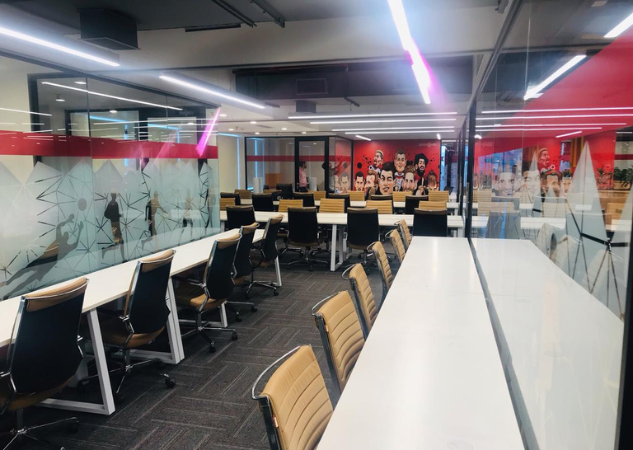
The Office Pass Gurgaon
The Office Pass (TOP) Managed Office on Golf Course Road, Gurgaon

2. Plan for Flexible Workstations

Introduce shared desks or movable furniture to make your office adaptable to changing needs. Flexible workstations save space and cater to employees who may not require a fixed desk.

3. Maximize Vertical Space

Use vertical storage solutions such as shelves, wall-mounted cabinets, and pegboards. This clears up floor space, keeping the office uncluttered while offering easy access to items.

Also Read: Top 10 SMB Technology Trends

4. Leverage Multi-Functional Furniture

Opt for furniture that serves multiple purposes, such as desks with built-in storage or foldable meeting tables. These help save space without compromising functionality.

5. Design for Productivity

Create dedicated spaces for different activities. For example, have quiet zones for focused work and open areas for brainstorming sessions. This enhances efficiency and reduces distractions.

6. Improve Lighting and Ventilation

Natural light and fresh air make an office feel spacious and welcoming. Arrange desks near windows and use energy-efficient LED lights to brighten darker areas.

7. Declutter and Organize Regularly

Encourage employees to keep their desks tidy. Provide storage solutions like file organizers and cable management systems to maintain order and reduce visual clutter.

8. Incorporate Smart Technology

Use smart devices to control lighting, temperature, and scheduling. These systems not only improve comfort but also save energy, making the office eco-friendly and cost-efficient.

💡 Are you looking for Coworking space in Gurgaon, Noida or Delhi? We are just a call away.
Call Now:   08999 828282

9. Add Greenery

Include plants in your office layout to enhance aesthetics and air quality. Vertical gardens or potted plants can make the space lively and more inviting.

10. Conduct Regular Space Audits

Review your office layout periodically to identify underutilized areas. This helps you repurpose unused spaces into functional zones like meeting rooms or lounge areas.

Optimizing your office space is not just about saving costs—it’s about creating an environment where teams thrive, ideas flourish, and productivity soars. By implementing best practices like smart layouts, multipurpose furniture, and technology integration, you can transform your workspace into a hub of efficiency and innovation. But why stop at theory when you can experience it firsthand? The Office Pass (TOP) offers thoughtfully designed coworking spaces tailored to meet your business needs. Ready to unlock the full potential of your office space? Call 08999 828282 today and set up your ideal workspace at The Office Pass!

FREQUENTLY ASKED QUESTIONS (FAQS):

Question: What are some modern office design ideas to optimize space?

Answer: Modern office design ideas include open floor plans to enhance collaboration, multifunctional furniture like desks with storage, modular seating for flexibility, and biophilic design elements like plants to improve aesthetics and productivity. These designs maximize space usage while creating a pleasant work environment.

Question: How can office space optimization improve productivity?

Answer: Office space optimization ensures every area serves a purpose, reducing clutter and distractions. It promotes smooth workflows by arranging workstations based on team interactions, improving employee focus and efficiency.

Question: What are the benefits of using modern office design ideas?

Answer: Modern office design ideas create visually appealing and functional spaces. They boost employee morale, encourage collaboration, and make better use of available space, often leading to increased productivity and better first impressions for visitors.

Question: What are simple office organization tips for small spaces?

Answer: Some tips include using vertical storage like shelves, keeping desks clutter-free, labeling items, using cable organizers, and assigning zones for different tasks. These small changes can make a big difference in how space is utilized.

Question: How can companies balance modern office design with cost-efficiency?

Answer: Companies can balance cost-efficiency by prioritizing multipurpose furniture, incorporating natural lighting to save energy, and investing in modular designs that adapt to changing needs. Affordable but stylish décor can also enhance the workspace without overspending.

Question: What role does office design play in employee productivity?

Answer: A well-designed office reduces noise, improves lighting, and ensures ergonomic workstations, all of which help employees stay focused and comfortable. Modern layouts that encourage collaboration also foster creativity and teamwork.

Question: How can office space optimization help growing businesses?

Answer: Optimized office spaces can adapt to a growing workforce without the need for immediate relocation. Flexible layouts and modular furniture allow businesses to scale operations while maintaining an efficient and productive workspace.

Question: Are modern office design ideas suitable for remote or hybrid work setups?

Answer: Yes, modern office designs can include dedicated zones for virtual meetings, quiet workspaces for focus, and shared areas for collaboration days. This flexibility supports remote and hybrid work models effectively.

Question: What are key factors to consider for office design for productivity?

Answer: Key factors include proper lighting, ergonomic furniture, noise control, sufficient storage, and a layout that aligns with workflows. Incorporating natural elements and providing spaces for breaks can also enhance productivity.

Question: Can office organization tips reduce workplace stress?

Answer: Yes, organized spaces reduce the time spent searching for items, lower visual distractions, and create a calming environment. Clear desk policies, labeled storage, and clutter-free zones contribute to a more relaxed and focused workspace.

BOOK A COWORKING TOUR

PR vs. Marketing — Which One Delivers Better ROI for Your Business?

posted in: Business | 0

When it comes to growing a business, the battle between public relations (PR) and marketing is a common one. Both are essential for success, but each delivers results in different ways. To decide which is better for your business’s return on investment (ROI), let’s break down the key differences and benefits.

💡 Are you looking for Coworking space in Gurgaon, Noida or Delhi? We are just a call away.
Call Now:   08999 828282

PR vs. Marketing: 10 Key Differences and Benefits

  1. Understanding PR and Marketing
  2. Public Relations Benefits
  3. Marketing Drives Immediate Results
  4. The ROI of Marketing Campaigns
  5. Public Relations vs. Marketing ROI
  6. Public Relations vs. Advertising
  7. When to Prioritize PR
  8. When to Focus on Marketing
  9. Combining PR and Marketing
  10. Making the Right Choice for Your Business
The Office Pass (TOP) Coworking Space in Delhi

1. Understanding PR and Marketing

Public relations focuses on building a positive image for your business and maintaining good relationships with the public. On the other hand, marketing involves promoting your products or services to drive sales. While PR builds trust, marketing generates direct revenue.

2. Public Relations Benefits

PR can create lasting goodwill and improve brand credibility. Coverage in the media, strong relationships with stakeholders, and positive public perception are invaluable. These benefits can indirectly influence your bottom line, making PR a long-term investment.

3. Marketing Drives Immediate Results

Marketing is designed to deliver measurable results quickly. Campaigns aimed at sales, leads, or customer acquisition often show a direct ROI. This makes marketing a preferred choice for businesses looking for faster growth.

Also Read: How to Create a Winning Email Marketing Strategy?

4. The ROI of Marketing Campaigns

Marketing ROI metrics such as customer lifetime value (CLV), conversion rates, and cost per acquisition (CPA) allow businesses to calculate the success of their campaigns. Clear metrics mean you can identify what’s working and adjust your strategy.

5. Public Relations vs. Marketing ROI

PR and marketing offer different kinds of ROI. Marketing ROI is often tangible and immediate, measured in dollars earned versus dollars spent. PR’s ROI, however, can be more challenging to quantify, as it’s reflected in improved reputation and trust over time.

6. Public Relations vs. Advertising

PR relies on earned media, which is often seen as more trustworthy than paid ads. Advertising directly promotes your products, but PR ensures your audience sees you as a credible and reliable brand. This credibility can significantly enhance marketing effectiveness.

7. When to Prioritize PR

PR is ideal when your goal is to enhance brand reputation, manage crises, or build long-term relationships with customers. It’s particularly beneficial for businesses in competitive industries where trust is a key differentiator.

8. When to Focus on Marketing

If your goal is to boost sales or launch a new product, marketing is the way to go. A well-executed marketing strategy can generate leads and increase revenue quickly, making it easier to track ROI.

💡 Are you looking for Coworking space in Gurgaon, Noida or Delhi? We are just a call away.
Call Now:   08999 828282

9. Combining PR and Marketing

To achieve the best ROI, businesses often use both PR and marketing. For example, a product launch can be supported by PR to build excitement and marketing to drive sales. Together, they create a stronger impact.

10. Making the Right Choice for Your Business

Ultimately, deciding between PR and marketing depends on your business goals. If you’re looking for quick financial returns, invest in marketing. If your focus is long-term growth and reputation, PR is essential. Many businesses find a mix of both strategies delivers the highest ROI.

In the debate between PR and marketing, the best choice often depends on your business goals and target audience. While PR builds trust and long-term brand value, marketing delivers measurable results and immediate ROI. A balanced strategy that integrates both can yield the best outcomes. As you navigate these strategies, having a professional workspace like The Office Pass (TOP) can boost your team’s productivity and creativity. With modern amenities and inspiring environments, TOP ensures your business stays ahead in the competitive landscape. Call to contact TOP at 08999 828282.

FREQUENTLY ASKED QUESTIONS (FAQS):

Question: What is the difference between public relations and marketing?

Answer: Public relations focuses on building and maintaining a positive reputation and relationship with the public, often through media relations and earned coverage. Marketing, on the other hand, is about promoting products or services to drive sales using paid, owned, or earned media. The distinction lies in the goals: PR builds trust, while marketing drives conversions.

Question: How do you measure the ROI of marketing campaigns?

Answer: Marketing ROI is calculated by dividing the profit gained from a campaign by the cost of the campaign. Metrics like customer acquisition cost (CAC), customer lifetime value (CLV), conversion rates, and sales lift are commonly used to assess the effectiveness of marketing efforts.

Question: What are the benefits of public relations for a business?

Answer: Public relations helps improve brand credibility, manage reputation, and generate trust among target audiences. It provides cost-effective exposure, enhances brand awareness, and positions a business as a thought leader, which can indirectly influence sales and customer loyalty.

Question: Which delivers better ROI: public relations or marketing?

Answer: The answer depends on your business goals. Marketing often delivers measurable and immediate ROI, especially for sales-focused campaigns. PR, however, builds long-term brand equity and trust, which can lead to sustained ROI over time. A balanced approach often works best.

Question: How does public relations compare to advertising in ROI?

Answer: Public relations generally offers a higher ROI than advertising because it focuses on earned media rather than paid placements. While advertising provides immediate visibility, PR builds trust and authenticity, making its impact more sustainable and valuable over the long term.

Question: What are key marketing ROI metrics to track?

Answer: Essential marketing ROI metrics include return on ad spend (ROAS), cost per lead (CPL), cost per click (CPC), customer lifetime value (CLV), and conversion rates. Tracking these metrics helps evaluate the financial success of campaigns and refine future strategies.

Question: How do public relations and marketing work together?

Answer: PR and marketing complement each other by aligning their strategies. While marketing drives sales and customer acquisition, PR builds credibility and brand loyalty. Integrating the two ensures consistent messaging and maximizes overall ROI for the business.

Question: What industries benefit most from public relations?

Answer: Industries like technology, healthcare, entertainment, and consumer goods see significant benefits from PR as they rely on reputation, thought leadership, and media visibility. However, nearly every industry can leverage PR to enhance credibility and brand awareness.

Question: Why is ROI of public relations harder to measure than marketing?

Answer: PR ROI is challenging to measure because its impact is often indirect and long-term. Metrics like media impressions, brand sentiment, and share of voice provide insight, but connecting these directly to revenue can be complex compared to the tangible outcomes of marketing campaigns.

Question: When should a business prioritize PR over marketing?

Answer: Businesses should prioritize PR when aiming to build trust, manage a crisis, or establish thought leadership. PR is especially effective for startups and small businesses looking to create a strong brand presence without extensive budgets for paid advertising or marketing.

BOOK A COWORKING TOUR