

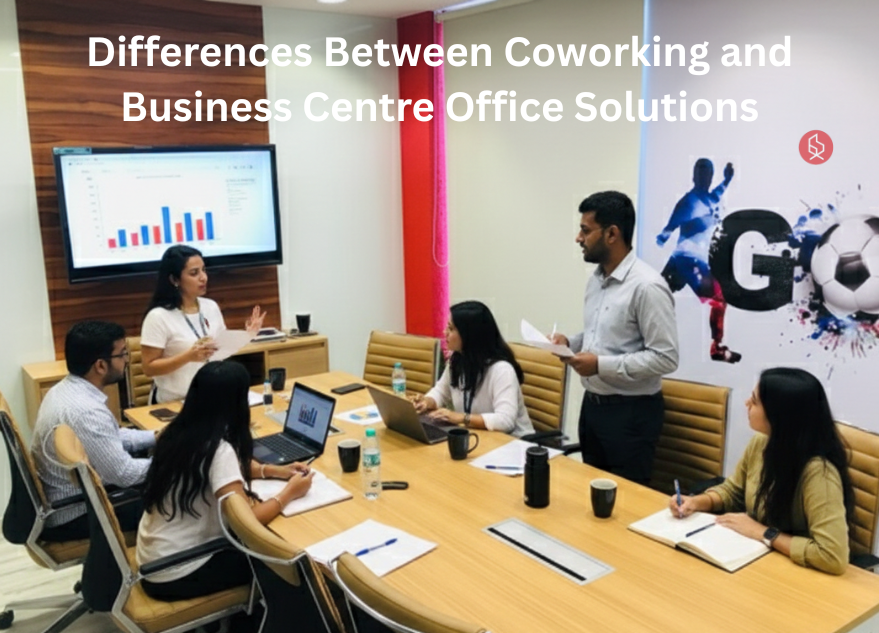
Choosing the right workspace can make or break your business productivity and budget. Whether you’re a freelancer, startup founder, or established company looking to expand, understanding the key differences between coworking spaces and business centres will help you make the smartest decision for your professional needs.
💡 Are you looking for Coworking space in Gurgaon, Noida or Delhi? We are just a call away. Call Now: 08999 828282
10 Key Differences Between Coworking Spaces and Business Centres
- What Is a Coworking Space?
- What Is a Business Centre?
- Workspace Layout and Privacy Differences
- Cost Structure and Pricing Models
- Flexibility and Lease Terms Compared
- Networking Opportunities and Community Culture
- Professional Services and Amenities Offered
- Target Audience and Ideal Users
- Meeting Room Access and Client Impressions
- Technology Infrastructure and IT Support
1. What Is a Coworking Space?
Coworking spaces are shared work environments where professionals from different companies and industries work together in an open, collaborative setting. These flexible workspaces typically feature hot desks, dedicated desks, and communal areas designed to encourage networking and creativity. The model focuses on community-building, offering affordable access to professional facilities without long-term commitments or the overhead costs of traditional office leases.
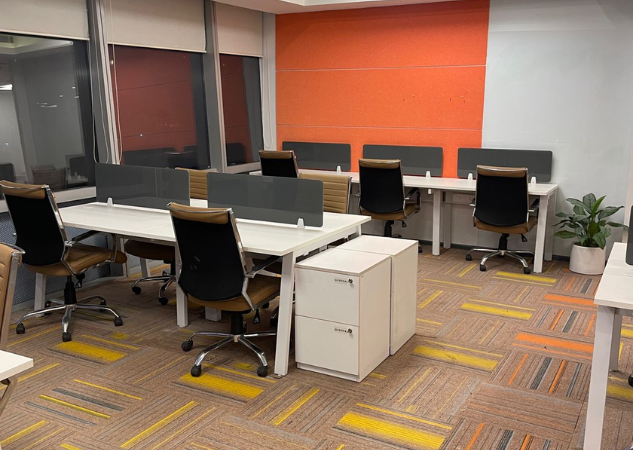
2. What Is a Business Centre?
A business centre provides fully-serviced private offices with professional amenities tailored for established businesses and corporate clients. Unlike coworking spaces, business centres emphasize privacy, professionalism, and dedicated resources for individual companies. They offer complete office solutions, including reception services, meeting rooms, and administrative support, creating an environment similar to a traditional corporate office but with greater flexibility and fewer responsibilities.
3. Workspace Layout and Privacy Differences
Coworking spaces prioritize open-plan layouts with shared desks, communal tables, and breakout areas that foster interaction among members. Business centres focus on private, enclosed offices that provide quiet, distraction-free environments for focused work and confidential conversations. The fundamental difference lies in whether you value community engagement or need complete privacy for your daily operations.
Also Read: Why Coworking and Your eCommerce Business Make the Perfect Pair
4. Cost Structure and Pricing Models
Coworking memberships typically offer lower entry costs and flexible plans, ranging from daily passes to monthly memberships, making them cost-effective for solopreneurs and small teams. Business centres command premium pricing for private offices, dedicated phone lines, and personalized services, while offering comprehensive amenities in their packages. Your choice depends on whether you’re prioritizing affordability and flexibility, or willing to invest more for privacy and professional-grade infrastructure.
5. Flexibility and Lease Terms Compared
Most coworking spaces operate on month-to-month agreements with no long-term commitments, allowing you to scale up or down based on your evolving needs. Business centres may offer similar flexibility but often encourage longer-term contracts of 6-12 months, providing stability for businesses that need consistent, dedicated space. This distinction matters significantly when you’re in growth mode or testing new markets and don’t want to commit to extended obligations.
6. Networking Opportunities and Community Culture
Coworking environments are designed to facilitate spontaneous connections, collaboration, and knowledge sharing among diverse professionals through regular events and communal spaces. Business centres maintain a more formal, corporate atmosphere, with networking occurring more deliberately through organized events rather than through casual daily interactions. If building a broad professional network is central to your business strategy, coworking spaces deliver significantly more organic networking potential.
7. Professional Services and Amenities Offered
Business centres excel at providing comprehensive administrative support, including reception, mail handling, call answering, and dedicated IT support for your company. Coworking spaces offer shared amenities such as printers, meeting rooms, and kitchen facilities, but they typically provide limited personalized services because resources serve an entire community. The level of professional support you require—whether basic shared resources or full concierge services should guide your decision between these two models.
8. Target Audience and Ideal Users
Coworking spaces attract freelancers, digital nomads, startups, and small businesses seeking affordable, flexible workspaces with built-in community and networking benefits. Business centres cater to established companies, regional offices, professionals requiring client-facing spaces, and businesses that prioritize brand image and confidentiality. Understanding where your business falls on the growth spectrum helps determine which environment aligns with your current stage and professional requirements.
💡 Are you looking for Coworking space in Gurgaon, Noida or Delhi? We are just a call away. Call Now: 08999 828282
9. Meeting Room Access and Client Impressions
Both options provide meeting spaces, but business centres typically offer more formal, executive-level conference rooms with advanced technology and professional support staff for client presentations. Coworking spaces feature casual meeting areas and bookable rooms that work well for internal team meetings but may lack the corporate polish some clients expect. Consider how often you meet clients in person and what impression you need to convey when evaluating this crucial difference.
10. Technology Infrastructure and IT Support
Business centres typically offer dedicated internet connections, advanced telecommunications systems, and personalized IT support as part of their premium service packages. Coworking spaces offer high-speed Wi-Fi and basic tech amenities shared by all members, with limited individual technical support. If your business depends on reliable, high-performance technology infrastructure with immediate troubleshooting capabilities, business centres deliver superior technical reliability and support.
Conclusion
The choice between coworking spaces and business centres ultimately depends on your business priorities, budget, and growth stage. Coworking offers affordability, community, and flexibility ideal for startups and independent professionals, while business centres provide privacy, professionalism, and comprehensive services suited for established businesses. For a seamless solution that combines flexibility, premium amenities, and professional environments, The Office Pass (TOP) is the ideal choice. Explore a wide range of workspaces across locations and scale as your business grows. Contact TOP at +91-8999-828282 to find your perfect workspace today.
FREQUENTLY ASKED QUESTIONS (FAQS):
Question: Which option is more cost-effective for small businesses?
Answer: Coworking spaces are generally more affordable for small businesses, offering lower monthly rates and no upfront capital investment. Business centres cost more but offer comprehensive services that may offset the need to hire additional administrative staff.
Question: Can I switch from coworking to a business centre as my company grows?
Answer: Absolutely—many businesses start in coworking spaces and transition to business centres as they expand their teams and require more privacy. This progression is common and allows you to scale your workspace organically as your business grows.
Question: Are business centres only suitable for large corporations?
Answer: No, business centres serve businesses of all sizes, from solo professionals to large teams. They’re ideal for anyone prioritizing privacy, professional image, and dedicated service, regardless of company size or industry.
Question: Do coworking spaces offer 24/7 access like business centres?
Answer: Access hours vary by provider, but many coworking spaces offer 24/7 access to members, similar to business centres. Always verify specific access policies with your chosen workspace before committing to a membership plan.
Question: Which option provides better work-life balance?
Answer: Coworking spaces often promote better work-life balance through community events, wellness programs, and social activities. Business centres focus more on professional productivity, though some offer lifestyle amenities depending on the specific location and provider.
Question: Can I use a business centre address for company registration?
Answer: Yes, most business centres provide a professional business address that you can use for company registration, mail handling, and marketing materials. This benefit is particularly valuable for home-based businesses seeking a credible corporate address.
Question: Are coworking spaces too noisy for focused work?
Answer: While coworking spaces can be lively, most offer quiet zones, phone booths, and bookable private rooms for concentrated work. If noise sensitivity is a major concern, visit potential spaces during peak hours to assess the actual environment.
Question: Do business centres include furniture and equipment?
Answer: Yes, business centres provide fully furnished offices with desks, chairs, filing cabinets, and often additional equipment such as printers and phones. This turnkey setup allows you to start working immediately without purchasing or moving office furniture.
Question: Which workspace type is better for client meetings?
Answer: Business centres typically provide more professional, private meeting environments ideal for formal client presentations and negotiations. Coworking spaces work well for casual client meetings but may lack the corporate formality some industries require.
Question: Can I customize my space in a coworking environment?
Answer: Customization is limited in coworking spaces since areas are shared among multiple members. Business centres allow more personalization of your private office, including branding, décor, and layout adjustments to reflect your company identity.