

How Defining Your Purpose Can Help Attract the Right Clients, Build Culture and Drive Success

posted in: Business | 0

Knowing why you do what you do is more powerful than just knowing how. In a crowded market, a clear purpose inspires, aligns your team, attracts the right clients, and drives lasting success. Let purpose be your strongest strategy.

💡 Are you looking for Coworking space in Gurgaon, Noida or Delhi? We are just a call away. Call Now:   08999 828282

Turning Purpose Into a Competitive Advantage

  1. What Is the Business Purpose?
  2. The True Business Purpose Definition
  3. Why Purpose Matters in a Competitive Market
  4. How Purpose Helps Attract the Right Clients
  5. Purpose as a Filter for Ideal Clients
  6. Linking Purpose to Company Culture
  7. The Connection Between Purpose and Business Success
  8. Examples of Purpose-Driven Businesses That Thrive
  9. Steps to Define Your Business Purpose
  10. Making Purpose a Daily Practice in Your Business

1. What Is the Business Purpose?

Your business purpose is the reason your company exists beyond making a profit. It answers the question, “Why do we do what we do?”

For example, while a shoe company may exist to sell footwear, a purpose-driven version might say, “We exist to empower movement and confidence in every step.” This distinction makes a huge difference in how you operate, market, and build relationships.

A clearly stated business purpose is the foundation upon which your strategy, brand, and culture are built.

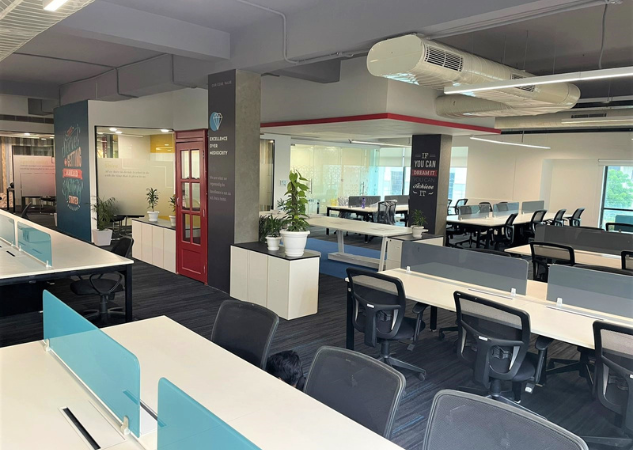
The Office Pass Noida
The Office Pass (TOP) Coworking Space in Noida

2. The True Business Purpose Definition

Let’s clarify the business purpose definition:

It is your company’s reason for being—the core motivation that drives your existence and impacts how you serve customers, employees, and society.

Unlike mission statements that often focus on short-term goals, your purpose is timeless. It acts as a guiding star in decision-making and aligns all stakeholders around a common cause.

A strong purpose:

  • Inspires your team
  • Connects emotionally with clients
  • Drives consistent branding

3. Why Purpose Matters in a Competitive Market

In today’s crowded marketplaces, every industry is packed with competitors offering similar products and services. A clear business purpose helps you stand out.

It humanizes your brand and gives people a compelling reason to choose you over someone else. Customers are drawn to brands that reflect their values—and purpose-driven messaging builds that emotional connection.

Your purpose becomes your brand’s why, and that’s something your competitors can’t copy.

Also Read: 15 Most Successful Small Business Ideas in 2024

4. How Purpose Helps Attract the Right Clients

Not every client is a good client. Some may not value your offerings, drain resources, or create cultural clashes. That’s why defining your business purpose is essential—it acts as a magnet for the right clients.

Clients who believe in what you stand for are more likely to:

  • Trust your brand
  • Stay loyal
  • Become advocates

For example, a wellness coach with a purpose of “helping women build lasting confidence through self-care” will attract clients who are already aligned with that mission—leading to stronger relationships and better outcomes.

5. Purpose as a Filter for Ideal Clients

One of the most underrated benefits of purpose is that it filters out poor-fit prospects.

By being clear about your values, goals, and what you stand for, you naturally attract your ideal clients—those who are excited to work with you, not just tolerate your service.

This leads to:

  • Fewer miscommunications
  • Smoother projects
  • Higher client satisfaction

Defining and sharing your purpose doesn’t limit your audience—it sharpens your focus on the right clients who are a perfect match for your business.

6. Linking Purpose to Company Culture

Purpose is not only outward-facing; it also plays a major role inside your organization. A purpose-driven business is more likely to foster:

  • Employee engagement
  • High morale
  • Strong teamwork

Employees want more than a paycheck—they want to work for a company that stands for something meaningful. When everyone is united by a shared business purpose, your company culture becomes stronger, more motivated, and more resilient.

And when your internal culture is strong, your clients will feel it too.

7. The Connection Between Purpose and Business Success

Companies with a clear purpose consistently outperform their competitors. This isn’t just theory—studies by Harvard Business Review and Deloitte show that purpose-driven organizations have:

  • Better financial performance
  • Lower employee turnover
  • Stronger brand loyalty

Why? Because a business purpose creates alignment. It simplifies decisions, energizes teams, and helps organizations weather change more effectively.

If you want real, sustainable business success, it starts with defining your purpose.

8. Examples of Purpose-Driven Businesses That Thrive

Some of the world’s most successful brands are built around purpose:

  • Patagonia: “We’re in business to save our home planet.”

Their commitment to the environment resonates with eco-conscious consumers.

  • TOMS Shoes: “We’re in business to improve lives.”

Their “One for One” model redefined the idea of giving back.

  • Tesla: “To accelerate the world’s transition to sustainable energy.”

Their innovation is fueled by a long-term vision for the planet.

These companies don’t just sell products—they sell a mission. Their business purpose is embedded in everything they do, and their results speak for themselves.

💡 Are you looking for Coworking space in Gurgaon, Noida or Delhi? We are just a call away. Call Now:   08999 828282

9. Steps to Define Your Business Purpose

Ready to uncover your business purpose? Start here:

  • Reflect on why your company exists beyond profits.
  • Identify core values that guide your decisions.
  • Think about the impact you want to have on clients, employees, or the world.
  • Listen to your audience—what do they value about your brand?
  • Craft a clear, simple purpose statement that aligns with your identity.
  • It should be authentic, actionable, and emotionally resonant. Once defined, your business purpose should influence every touchpoint—marketing, hiring, product development, and customer experience.

10. Making Purpose a Daily Practice in Your Business

Defining your purpose is just the first step. The real magic happens when you live it out every day.

Ways to do this include:

  • Incorporating your purpose in onboarding and training
  • Measuring success based on values, not just KPIs
  • Recognizing employees who embody the purpose
  • Using purpose-driven messaging in marketing

When purpose becomes part of your daily rhythm, your clients and team will feel the difference.

In a fast-paced business world, having a clear purpose isn’t just inspiring—it’s essential. It helps attract the right clients, build a strong internal culture, and drive lasting success. At The Office Pass (TOP), we believe purpose-driven businesses thrive in community-driven workspaces. That’s why our coworking spaces are designed to support entrepreneurs and teams aligned with meaningful goals. Discover how defining your purpose, and working in the right environment, can transform your business.  Contact us today at 89998 28282 for inquiries, workspace bookings, or to schedule a visit.

FREQUENTLY ASKED QUESTIONS (FAQS):

Question: What is a business purpose in simple terms?

Answer: A business purpose is the reason your company exists beyond just making money. It defines your mission, values, and the impact you aim to create for your clients, employees, and the world.

Question: Why is business purpose important for success?

Answer: A clear business purpose guides decisions, builds trust with customers, and aligns your team. It creates long-term focus and gives your brand a competitive edge—leading to sustainable business success.

Question: How does purpose help attract the right clients?

Answer: When you clearly communicate your values and goals, you attract the right clients who align with your mission—leading to better relationships, trust, and loyalty.

Question: What’s the difference between a mission and a purpose?

Answer: A mission describes what your company does, while your purpose explains why you do it. Purpose is broader, emotional, and focused on long-term impact.

Question: Can a small business benefit from defining its purpose?

Answer: Absolutely. Small businesses with a clear business purpose often create stronger community ties, build trust faster, and attract more loyal, ideal clients.

Question: What are some examples of purpose-driven businesses?

Answer: Brands like Patagonia, TOMS, and Tesla have clearly defined purposes that go beyond profits—focused on sustainability, social impact, and innovation.

Question: How can purpose improve company culture?

Answer: A shared purpose creates unity, motivation, and pride among employees. It boosts engagement and attracts talent that aligns with your values.

Question: Is business purpose just a marketing trend?

Answer: No—business purpose is a foundational strategy that impacts operations, branding, hiring, and customer relationships. It’s a long-term driver of success.

Question: How do I define my company’s purpose?

Answer: Start by reflecting on why your business exists, what values guide your work, and what impact you want to create. Then craft a clear, authentic purpose statement.

Question: How often should I review or update my business purpose?

Answer: Review your purpose annually to ensure it still reflects your vision and values. If your business model or audience changes significantly, consider refining it.

BOOK A COWORKING TOUR

10 Perks Your Employees Want More Than A Pay Raise

10 Perks Your Employees Want More Than A Pay Raise

posted in: Small Business | 0

Competitive pay matters, but today’s employees value well-being, growth, and flexibility even more. Companies offering meaningful perks see higher engagement and lower turnover.

💡 Are you looking for Coworking space in Gurgaon, Noida or Delhi? We are just a call away. Call Now:   08999 828282

Top 10 Picks That Drive Employee Satisfaction

  1. Flexible Work Hours
  2. Work from Home Options
  3. Health and Wellness Programs
  4. Generous Paid Time Off (PTO)
  5. Career Development and Training
  6. Childcare Assistance
  7. Employee Recognition and Rewards Programs
  8. Retirement Savings Plans
  9. Team-building Activities and Social Events
  10. Pet-Friendly Office Environment

1. Flexible Work Hours

Employees today want work-life balance more than ever. Offering flexible hours allows employees to better manage their personal and professional lives. This perk not only helps reduce stress but also boosts productivity, making it a highly sought-after benefit for many.

The Office Pass Gurgaon
The Office Pass (TOP) Managed Office on Golf Course Road, Gurgaon

2. Work from Home Options

Remote work continues to be one of the top employee perks. Offering the option to work from home, even if it’s just a few days a week, provides a great sense of freedom and flexibility. It also helps reduce commute time and allows employees to work in a more comfortable setting, which improves overall job satisfaction.

3. Health and Wellness Programs

Employees are increasingly prioritizing their health and well-being. Offering wellness programs, gym memberships, or mental health support helps improve morale and lowers absenteeism. Wellness initiatives contribute to both the physical and mental health of your workforce.

Also Read: What are the Impacts of Shared Office Spaces on Employee Satisfaction and Well-being?

4. Generous Paid Time Off (PTO)

Paid time off for vacations, personal days, or sick leave is a crucial perk that helps employees recharge and avoid burnout. Companies that offer generous PTO policies show employees that they care about their well-being and value their time outside of work.

5. Career Development and Training

Employees want opportunities to grow and develop professionally. Offering programs for skill development, workshops, or access to online courses shows employees that you are invested in their future. It’s an attractive perk for those looking to advance in their careers.

6. Childcare Assistance

For employees with families, childcare assistance can be a game-changer. Offering on-site childcare, subsidies, or partnerships with local daycare centers can greatly ease the burden on working parents, making it an excellent perk for family-oriented employees.

7. Employee Recognition and Rewards Programs

Everyone likes to feel appreciated. Employee recognition programs, such as “Employee of the Month” awards or incentive-based rewards, foster a culture of appreciation. When employees are recognized for their hard work and contributions, it boosts morale and keeps them motivated.

8. Retirement Savings Plans

Offering robust retirement benefits, such as a 401(k) plan with employer matching, is an attractive perk that helps employees plan for their future. This perk shows long-term commitment to your workforce and helps employees feel secure about their financial future.

💡 Are you looking for Coworking space in Gurgaon, Noida or Delhi? We are just a call away. Call Now:   08999 828282

9. Team-building Activities and Social Events

Fostering a sense of community in the workplace can lead to stronger collaboration and job satisfaction. Team-building activities, social events, and happy hours help employees bond and create lasting relationships with their colleagues, making work more enjoyable.

10. Pet-Friendly Office Environment

For pet owners, being able to bring their pets to work is a unique and highly appreciated perk. Pet-friendly offices help reduce stress, create a relaxed atmosphere, and even improve employee retention. It’s a small gesture that can have a big impact on employee happiness.

Offering the right perks can make a world of difference in employee satisfaction and retention. When you focus on providing flexibility, growth opportunities, and a positive work environment, you create a culture where people are motivated to stay and thrive. Don’t just compete on salary—compete on the overall experience. If you’re looking to enhance your workplace with flexible, modern spaces, The Office Pass (TOP) has coworking solutions that promote work-life balance and employee well-being.  Contact us today at 89998 28282 for inquiries, workspace bookings, or to schedule a visit.

FREQUENTLY ASKED QUESTIONS (FAQS):

Question: What are the most popular perks at work in 2025?

Answer: Some of the top perks at work include flexible schedules, work-from-home options, wellness programs, paid time off, and career development opportunities. These help improve employee satisfaction and work-life balance.

Question: What types of employee benefits do startups usually offer?

Answer: Employee benefits for startup companies often include flexible hours, equity shares, remote work options, learning opportunities, and a fun work culture. Startups focus on benefits that support growth and creativity.

Question: Why are non-monetary employee benefits important?

Answer: Non-monetary perks like flexible work, recognition, or wellness support increase job satisfaction, improve retention, and show that companies care about their employees’ well-being—not just their output.

Question: What are employee benefits for working from home?

Answer: Employee benefits work from home include home office allowances, flexible working hours, mental health support, and regular check-ins for team connection. These perks help remote employees stay productive and motivated.

Question: How do employee perks help with retention?

Answer: Employee retention benefits—like training programs, health coverage, or recognition systems—encourage loyalty and reduce turnover by making employees feel valued and supported.

Question: What are the top 10 employee benefits companies should offer?

Answer: The top 10 employee benefits include health insurance, paid time off, remote work, flexible hours, wellness programs, retirement plans, childcare assistance, professional development, employee recognition, and team activities.

Question: How can I make my office perks more attractive?

Answer: To make office perks more attractive, ask for employee feedback and focus on perks that improve their daily life—like wellness rooms, team lunches, or pet-friendly spaces.

Question: Are corporate employee benefits different from small business perks?

Answer: Yes. Corporate employee benefits often include comprehensive packages like full health coverage and retirement plans, while small businesses or startups offer more flexible, personalized perks like remote work and learning stipends.

Question: What other employee benefits should I consider offering?

Answer: Other employee benefits might include transportation allowances, volunteer time off, financial planning support, or even sabbatical leave. These unique perks can set your company apart.

Question: Do perks really matter more than a pay raise?

Answer: For many employees, yes. While salary is important, perks that improve quality of life, mental health, and work-life balance can be even more valuable in the long run.

BOOK A COWORKING TOUR

10 Tactics for Entrepreneurs to Balance AI with Humanity

10 Tactics for Entrepreneurs to Balance AI with Humanity

posted in: Entrepreneur | 0

AI is transforming business—boosting productivity, cutting costs, and enabling smarter decisions. But as AI grows, one rule stays vital: tech should serve people, not replace them.

💡 Are you looking for Coworking space in Gurgaon, Noida or Delhi? We are just a call away. Call Now:   08999 828282

10 Quick Tips for Entrepreneurs to Balance Ai with Humanity

  1. Invest in Hands-On AI Training
  2. Cultivate a Beginner’s Mindset
  3. Align AI with Your Mission
  4. Practice Ethical AI Use
  5. Build Collaborative Ecosystems
  6. Communicate Clearly and Often
  7. Cultivate Empathy and Emotional Intelligence
  8. Invest in Human Trust and Relationships
  9. Lead with Purpose and Balance
  10. Embrace AI’s Potential, but Keep Humans in Control

1. Invest in Hands-On AI Training

Equip your team with practical AI skills. Rather than just theoretical learning, an entrepreneur training program with hands-on projects will allow employees to experience AI’s real-world applications. This approach increases confidence, inspires creativity, and helps your company tap into AI opportunities without losing sight of human values. Empowered teams can better identify AI ideas for business that align with your mission.

The Office Pass Noida
The Office Pass (TOP) Coworking Space in Noida

2. Cultivate a Beginner’s Mindset

Encourage a mindset of curiosity, not just expertise. Even experienced leaders should engage with AI as beginners to explore its potential. Startups in AI thrive when they experiment and learn together. Running small internal projects or “AI hack days” where employees try out new AI tools fosters a collaborative, creative environment. The beginner’s mindset helps you avoid complacency and ensures AI’s integration remains aligned with your core values.

3. Align AI with Your Mission

Integrate AI with your company’s core mission. Whether it’s sustainability, better customer service, or innovation, AI should serve your purpose. For instance, AI in business can automate mundane tasks, allowing employees to focus on impactful, human-centered work. By connecting AI with your mission, you demonstrate to employees and customers that AI tools enhance human creativity and effort rather than replacing them.

Also Read: How Entrepreneurs Can Unlock Hidden Potential for Success?

4. Practice Ethical AI Use

Establish clear guidelines for the ethical use of AI in business. Ensure transparency, avoid data bias, and protect customer privacy. Implement regular audits to keep AI tools aligned with your ethical standards. Ethical AI practices build trust with customers and employees and prevent potential legal issues. Transparent communication about how AI is used in your business strengthens relationships and reinforces your commitment to responsible innovation.

5. Build Collaborative Ecosystems

Form partnerships with universities, industry groups, and even customers to promote AI literacy. An entrepreneur training program can be a great resource for building a knowledgeable workforce. Collaborating with others creates a broader ecosystem where knowledge flows freely, and businesses can learn from each other’s successes and failures. Encouraging diverse voices in AI development ensures inclusivity and helps avoid blind spots in AI applications.

6. Communicate Clearly and Often

Communicate clearly about AI’s role in your business. Use plain language to explain how AI works and why it’s being implemented. For example, share with customers how AI helps improve service speed but also emphasize that human oversight is always available. Regular updates and transparent communication foster trust and allow employees and customers to feel more comfortable with AI adoption. Being open about AI builds credibility and reduces the fear of automation replacing human jobs.

7. Cultivate Empathy and Emotional Intelligence

While AI can automate tasks, it can’t replace empathy, creativity, and ethical judgment—traits that humans excel at. Foster a culture that values emotional intelligence by training employees in active listening and problem-solving. Managers and employees should understand that AI entrepreneurs might rely on algorithms, but leading with empathy makes all the difference when making decisions or resolving conflicts.

8. Invest in Human Trust and Relationships

AI should augment human interaction, not replace it. While tools like chatbots are useful for handling repetitive inquiries, they always offer human support when issues become complex. Customers appreciate knowing that behind the AI is a team of humans ready to provide personalized service. In your team, invest in building relationships and ensuring that humans are always the final decision-makers in key areas like hiring or conflict resolution.

💡 Are you looking for Coworking space in Gurgaon, Noida or Delhi? We are just a call away. Call Now:   08999 828282

9. Lead with Purpose and Balance

As an entrepreneur, model balance. Demonstrate that AI is a tool to support your mission, not the driving force of your business. Take time for introspection, encourage a healthy work-life balance, and prioritize employees’ well-being. When your team sees leaders balancing tech with human care, they are more likely to adopt the same approach. This balance keeps innovation human-focused and ensures AI remains a tool for good.

10. Embrace AI’s Potential, but Keep Humans in Control

AI offers tremendous potential, from improving efficiency to unlocking new insights. But always maintain human oversight to ensure that AI’s impact aligns with company values. Use AI tools to handle routine tasks, but allow humans to manage the decision-making process. Keeping humans in control ensures that AI enhances creativity and productivity while preserving the integrity of human interaction.

Balancing AI with a human touch isn’t just a trend—it’s a necessity for entrepreneurs who want to build trust, loyalty, and long-term success. By combining smart technology with empathy, creativity, and personal connection, you can create a business that stands out in the digital age. Remember, it’s not AI versus humanity—it’s AI with humanity. And where you work matters too. The Office Pass (TOP) offers coworking spaces that blend tech convenience with a warm, human-centric environment.  Contact us today at 89998 28282 for inquiries, workspace bookings, or to schedule a visit.

FREQUENTLY ASKED QUESTIONS (FAQS):

Question: How can AI benefit entrepreneurs?

Answer: AI can help entrepreneurs automate repetitive tasks, gain data insights, and improve decision-making. By integrating AI into business operations, entrepreneurs can save time, reduce costs, and focus on more strategic, creative work.

Question: What are some examples of AI opportunities for businesses?

Answer: There are many AI opportunities for businesses, including automating customer service with chatbots, using AI to analyze market trends, and implementing AI-driven marketing strategies. Entrepreneurs can explore AI ideas for business such as AI tools for small business financial management or personalized customer experiences.

Question: Is it important to balance AI with human interaction in business?

Answer: Yes, it’s crucial to maintain a balance between AI in business and human interaction. While AI can automate tasks, humans are needed for empathy, creativity, and complex problem-solving. Striking the right balance helps create a more positive customer experience and builds trust.

Question: What is the ethical use of AI in business?

Answer: The ethical use of AI in business refers to implementing AI technologies in a way that is fair, transparent, and respects privacy. This includes avoiding bias in AI algorithms, ensuring accountability, and being honest about when AI is used, especially in customer-facing roles.

Question: Can AI replace entrepreneurs?

Answer: No, AI cannot replace entrepreneurs. While AI can automate certain business tasks, entrepreneurs bring essential creativity, leadership, and strategic thinking that AI cannot replicate. Entrepreneurs should view AI as a tool to enhance their work, not as a replacement.

Question: How can entrepreneurs use AI to create new business ideas?

Answer:Entrepreneurs can explore business ideas with AI by identifying areas where AI can solve real-world problems. For example, using AI for personalized health services, creating smarter retail experiences, or developing AI-powered tools to help small businesses scale. These innovations can set an entrepreneur apart in competitive markets.

Question: How do I keep AI tools aligned with my company’s values?

Answer: To ensure that your AI tools reflect your company values, consider the following:

  • Make sure AI is inclusive and not biased.
  • Align AI applications with your company’s mission (e.g., sustainability, fairness).
  • Continuously evaluate and adjust AI to ensure it meets your ethical standards.

Question: What role does human training play in working with AI?

Answer: An entrepreneur training program focused on AI can help your team understand how to effectively work with AI tools. Training empowers employees to use AI for decision-making, customer service, and operations while preserving the human touch in areas that require empathy or critical thinking.

Question: How can AI help improve customer experience in my business?

Answer: AI can enhance customer experience by offering personalized recommendations, fast and accurate responses via chatbots, and predictive services. However, human interaction is still key for handling complex or sensitive issues, ensuring a balance between technology and empathy.

Question: What should I do if my AI system is showing bias?

Answer: If your AI system is showing bias, you should audit the data it was trained on. Remove or correct biased data, retrain the AI model, and test it for fairness. It’s important to continuously monitor AI behavior to ensure it’s aligned with ethical standards.

BOOK A COWORKING TOUR

How Successful Leaders Get More Done in Less Time?

How Successful Leaders Get More Done in Less Time?

posted in: Entrepreneur | 0

Ever wonder how top leaders get so much done? It’s not about longer hours—it’s about smarter work. In this blog, discover the habits and strategies successful leaders use to stay focused, prioritize, and lead with impact.

💡 Are you looking for Coworking space in Gurgaon, Noida or Delhi? We are just a call away. Call Now:   08999 828282

10 Proven Productivity Habits of Successful Leaders

  1. Use Prioritization Techniques Daily
  2. Work Smarter, Not Harder
  3. Master the Skills of a Good Leader
  4. Apply Project Management Leadership
  5. Develop Effective Leadership Skills
  6. Improve Time Management for Leaders
  7. Set Clear Goals and Stick to Them
  8. Creating a strong vision and mission.
  9. Understand the Importance of Effective Leadership
  10. Learn Delegation Skills for Managers

1. Use Prioritization Techniques Daily

One of the most powerful habits of successful leaders is using prioritization techniques to plan their day. They don’t waste time on low-value tasks. Instead, they identify what’s urgent and what’s important using methods like:

  • Eisenhower Matrix: Sorts tasks into four categories—urgent/important, important/not urgent, etc.
  • ABC Method: Assigns A, B, or C labels to tasks based on priority.
  • Pareto Principle (80/20 Rule): Focuses on the 20% of tasks that bring 80% of results.

Prioritizing this way allows leaders to focus on tasks that drive progress and cut out distractions.

The Office Pass South Delhi
The Office Pass (TOP) Coworking Space in Delhi

2. Work Smarter, Not Harder

Working longer hours doesn’t guarantee better results. Top leaders believe in the principle: work smarter, not harder. Here’s how they do it:

  • Use automation tools for emails, scheduling, and workflows.
  • Batch similar tasks to reduce mental load.
  • Eliminate unnecessary meetings.
  • Set clear boundaries to avoid burnout.

By making smart choices with their time and energy, leaders stay focused and productive without overworking.

3. Master the Skills of a Good Leader

Being productive also means knowing how to lead people well. The skills of a good leader include:

  • Communication: Being clear, open, and honest with your team.
  • Emotional intelligence: Understanding and managing your own emotions, and recognizing others’.
  • Decision-making: Making smart, fast decisions even under pressure.
  • Inspiration: Motivating teams to take action and stay committed.

Great leaders get more done because they build teams that work with them—not against them.

Also Read: Why Every Leader Needs to Pay Attention to Trends but Not Follow Them Blindly?

4. Apply Project Management Leadership

Treating every major task like a project helps leaders break down complexity. Using project management leadership techniques helps to:

  • Set clear goals and deadlines.
  • Assign tasks and responsibilities.
  • Use tools like Trello, Monday.com, or ClickUp to track progress.

This approach ensures that everything moves forward efficiently and no detail is overlooked.

5. Develop Effective Leadership Skills

Good leaders are learners. They invest in building effective leadership skills like:

  • Strategic thinking
  • Conflict resolution
  • Team development
  • Adaptability

Leadership is not a one-time skill—it requires continuous improvement. Reading books, taking courses, and seeking feedback are ways successful leaders stay ahead.

6. Improve Time Management for Leaders

Time is one resource you can’t get back. That’s why time management for leaders is essential. Strong leaders:

  • Use calendars to block time for focused work.
  • Set time limits for meetings.
  • Delegate tasks instead of micromanaging.
  • Schedule time for planning and review.

Every minute counts, so leaders who control their schedule control their results.

7. Creating a strong vision and mission.

Successful leaders don’t chase every opportunity—they define clear, measurable goals and focus on achieving them. Good goal setting for leaders includes:

  • Setting SMART goals (Specific, Measurable, Achievable, Relevant, Time-bound).
  • Aligning team goals with company vision.
  • Tracking progress with KPIs or OKRs.

This keeps the team focused and accountable.

8. Understand the Importance of Effective Leadership

Success is no accident. Great leaders use effective leadership strategies such as:

  • Creating a strong vision and mission.
  • Encouraging team input and collaboration.
  • Leading by example during challenges.
  • Building systems that allow scaling and growth.

With the right strategy, leaders reduce stress and create a smooth path to their goals.

💡 Are you looking for Coworking space in Gurgaon, Noida or Delhi? We are just a call away. Call Now:   08999 828282

9. Understand the Importance of Effective Leadership

The importance of effective leadership goes beyond profits. It influences company culture, employee happiness, and long-term success. Effective leadership:

  • Builds trust within teams.
  • Increases employee engagement.
  • Drives innovation and problem-solving.

By leading well, you help your team succeed, which multiplies your impact.

10. Learn Delegation Skills for Managers

You’ll burn out if you try to do everything yourself. That’s why delegation skills for managers are crucial. Smart leaders:

  • Assign tasks based on team strengths.
  • Give clear instructions and deadlines.
  • Trust their team to handle responsibilities.
  • Follow up without micromanaging.

Delegation not only saves time, it also helps grow future leaders in your team.

Getting more done in less time isn’t about hustle—it’s about strategy. Successful leaders know how to manage their energy, prioritize tasks, and build strong, efficient teams. By applying these principles, you too can boost your productivity and lead with purpose. And your environment plays a big role in that. The Office Pass (TOP) offers smart, well-equipped coworking spaces that help leaders and teams stay focused and productive.  Contact us today at 89998 28282 for inquiries, workspace bookings, or to schedule a visit.

FREQUENTLY ASKED QUESTIONS (FAQS):

Q1: What are the most effective prioritization techniques for leaders?

A: The most effective prioritization techniques include the Eisenhower Matrix, ABCDE method, and the 80/20 Rule (Pareto Principle). These help leaders identify high-impact tasks and manage time wisely.

Q2: How do successful leaders work smarter, not harder?

A: Successful leaders work smarter, not harder by streamlining workflows, setting clear goals, leveraging automation tools, and focusing on high-priority actions that drive meaningful results.

Q3: What are the essential skills of a good leader?

A: Essential skills of a good leader include communication, decision-making, emotional intelligence, adaptability, and the ability to motivate teams. These skills create trust and drive performance.

Q4: How does project management improve leadership productivity?

A: Project management leadership helps leaders plan, organize, and monitor work efficiently. It ensures teams meet deadlines, stay aligned, and complete projects on time with fewer obstacles.

Q5: What are some examples of effective leadership skills?

A: Examples include strategic thinking, conflict resolution, delegation, accountability, and team building. These effective leadership skills support strong decision-making and successful team management.

Q6: Why is time management important for leaders?

A: Time management for leaders is crucial for maintaining focus, reducing stress, and ensuring progress on strategic goals. It allows leaders to balance priorities and lead more effectively.

Q7: How do successful leaders use goal setting to get more done?

A: Successful leaders use SMART goal-setting to clarify objectives, track progress, and stay focused. This structured approach helps align team efforts and boosts productivity.

Q8: What are some effective leadership strategies to boost team performance?

A: Effective leadership strategies include setting a clear vision, creating accountability, empowering team members, and leading by example. These strategies foster growth and long-term success.

Q9: Why is effective leadership important in an organization?

A: The importance of effective leadership lies in its impact on team morale, productivity, innovation, and overall business success. Strong leaders create a positive and high-performing work culture.

Q10: How can managers develop strong delegation skills?

A: Managers can develop delegation skills by understanding team strengths, assigning tasks clearly, trusting employees, and providing support without micromanaging. This saves time and builds leadership capacity.

BOOK A COWORKING TOUR