

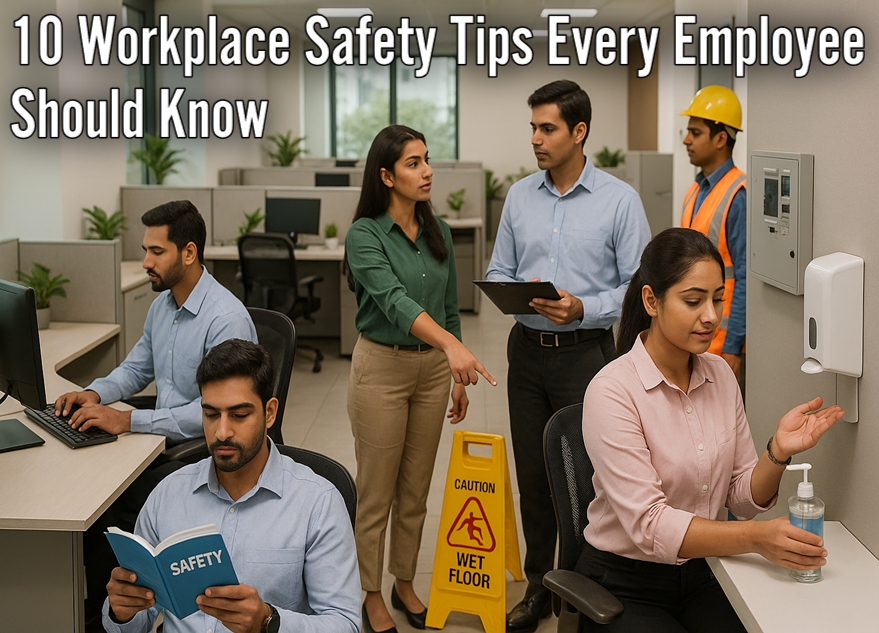
Think about the last time you almost slipped on a freshly mopped floor or stretched across your desk to plug in a charger. Nothing happened, so you probably forgot about it within minutes. But many workplace accidents begin with moments that seem just as harmless.
According to the India Skills Report, organizations across India are placing greater emphasis on employee health, safety, and well-being as safer workplaces lead to better productivity and employee satisfaction.
Whether you work in a corporate office, on a factory floor, or in a coworking space, following a few simple employee safety rules can prevent injuries, reduce stress, and make every workday a little safer.
Source: Wheebox
💡 Are you looking for Coworking space in Gurgaon, Noida or Delhi? We are just a call away. Call Now: 08999 828282
What Is Workplace Safety and Why Is It Important?
Imagine walking into work knowing you don’t have to worry about a slippery floor, faulty wiring, or an uncomfortable desk that will leave you with a sore back by lunchtime. That’s what workplace safety is all about. It’s a combination of employee safety rules, smart planning, and everyday habits that keep people safe while they work.
No matter where you work—an office, warehouse, factory, retail store, or coworking space—following workplace safety rules helps prevent injuries before they happen. It also creates a workplace where people feel comfortable, stay productive, and focus on their work rather than worrying about avoidable risks.
A safe workplace means:
- Fewer accidents and injuries.
- Employees who feel confident and valued.
- Better teamwork and higher productivity.
- Less downtime and fewer sick leaves.
- Compliance with workplace safety laws and regulations.
- A healthier work culture where everyone looks out for one another.
At the end of the day, good safety practices at work aren’t about ticking boxes—they’re about making sure everyone gets home safely after work.
Common Workplace Hazards Every Employee Should Recognize
Workplace hazards don’t always come with warning signs. Sometimes it’s a cable stretched across a walkway. Sometimes it’s an office chair that quietly causes back pain over months. And sometimes the biggest risk is rushing through a task to beat a deadline.
Before following the basic safety rules in the workplace, it’s worth knowing what to watch out for.
- Slips, Trips, and Falls: A freshly mopped floor, loose wires, or cluttered walkways can turn an ordinary day into an unexpected trip to the hospital.
- Electrical Hazards: Frayed cables, overloaded extension boards, or faulty appliances can lead to shocks or even fires.
- Fire Hazards: Blocked exits, unattended electrical equipment, and poor storage of flammable items can make emergencies much worse.
- Poor Ergonomics: Sitting in the wrong posture every day may not hurt immediately, but over time it can cause neck pain, back problems, and eye strain.
- Hazardous Materials: In laboratories, factories, and industrial workplaces, chemicals and cleaning agents must always be handled with care.
- Improper Lifting: Picking up a heavy box the wrong way can strain your back in seconds.
- Stress and Burnout: Tight deadlines, long hours, and constant pressure can affect both mental and physical health.
- Unsafe Equipment: Using damaged tools or machines without reporting them puts everyone nearby at risk.
10 Important Workplace Safety Tips Every Employee Should Know
The table below highlights the 10 rules for workplace safety that every employee should know and follow to reduce everyday risks.
| Workspace Safety Tips | Why It Matters? |
| 1. Follow workspace safety procedures | Reduces preventable accidents and keeps everyone safe. |
| 2. Wear the right personal protective equipment (PPE) | Protects you from workplace-specific hazards. |
| 3. Maintain good ergonomics | Prevents back pain, eye strain, and repetitive stress injuries. |
| 4. Report hazards immediately | Helps fix risks before they cause accidents. |
| 5. Keep your workspace clear and organized | Minimizes slips, trips, and unnecessary distractions. |
| 6. Use tools and equipment correctly | Prevents injuries and equipment damage. |
| 7. Know emergency and fire safety procedures | Enables quick, safe action during emergencies. |
| 8. Take regular breaks | Reduces fatigue and helps you stay focused. |
| 9. Practice good hygiene | Prevents the spread of illnesses in the workplace. |
| 10. Participate in workplace safety training | Keeps your safety knowledge current and improves preparedness. |
1. Follow Safety Procedures
Every workplace has safety procedures in the workplace designed to prevent accidents. Read them carefully, follow warning signs, and never take shortcuts—even if you’re in a hurry.
Example: An employee ignored a “Wet Floor” sign and slipped, resulting in a fractured wrist.
- Follow company safety policies.
- Respect warning signs.
- Report unsafe practices immediately.

2. Wear the Right PPE
Using the right personal protective equipment (PPE) is one of the simplest employee safety measures. Whether it’s safety shoes, gloves, goggles, or a helmet, always wear the gear required for your job.
Example: A warehouse worker skipped safety shoes and injured his foot when a heavy box fell.
- Wear PPE suited to your role.
- Check it before use.
- Replace damaged gear promptly.
3. Set Up an Ergonomic Workspace
Good ergonomics help prevent neck pain, backaches, and eye strain. Adjust your chair, keep your monitor at eye level, and avoid sitting in one position for hours.
Example: A designer developed chronic neck pain after months of working with a poorly positioned laptop.
- Sit with proper posture.
- Stretch every hour.
- Keep your screen at eye level.
4. Report Hazards Immediately
A loose cable or leaking ceiling may seem minor, but ignoring it can lead to serious accidents. Reporting hazards is one of the most important employee safety rules.
Example: A loose staircase handrail went unreported until a colleague slipped and got injured.
- Inform your supervisor.
- Use the company’s reporting process.
- Warn coworkers if needed.
💡 Are you looking for Coworking space in Gurgaon, Noida or Delhi? We are just a call away. Call Now: 08999 828282
5. Keep Your Workspace Organized
A clean workspace reduces slips, trips, and distractions. Good housekeeping is one of the easiest daily safety tips for the workplace.
Example: Loose charging cables across a meeting room caused a visitor to trip and sprain an ankle.
- Keep walkways clear.
- Store items properly.
- Clean spills immediately.
6. Use Equipment Correctly
Always operate tools and equipment according to instructions. If something looks damaged, stop using it and report the issue.
Example: An employee used a faulty ladder instead of reporting it and suffered a serious fall.
- Read operating instructions.
- Never misuse equipment.
- Report defects immediately.
7. Know Emergency Procedures
Knowing where emergency exits, fire extinguishers, and assembly points are located can save lives during an emergency.
Example: Employees who had attended evacuation drills exited safely during a small office fire.
- Learn evacuation routes.
- Join fire drills.
- Save emergency contacts.
8. Take Regular Breaks
Fatigue affects concentration and increases the risk of mistakes. Short breaks help you stay productive and alert throughout the day.
Example: An exhausted employee made a costly data-entry mistake after working for hours.
- Stretch regularly.
- Rest your eyes.
- Stay hydrated.
9. Practice Good Hygiene
Good hygiene helps prevent the spread of illness, especially in shared workplaces. It’s one of the simplest basic safety rules in the workplace.
Example: One sick employee unintentionally spread the flu across an entire team.
- Wash your hands regularly.
- Sanitize shared surfaces.
- Stay home if you’re unwell.
10. Attend Safety Training
Safety training prepares employees to respond confidently during emergencies and keeps them up to date on workplace risks.
Example: Employees who completed safety training handled a chemical spill calmly, preventing injuries.
- Attend refresher sessions.
- Ask questions.
- Apply what you learn every day.
How Employers Can Promote a Safe Workplace?
Creating a safe workplace isn’t just the responsibility of employees. Employers play an equally important role in building a culture where safety becomes second nature. When leaders prioritize workplace safety measures, employees are more likely to follow suit.
Here are a few ways employers can make a difference:
- Provide Regular Safety Training: Keep employees informed about workplace risks, emergency procedures, and new safety protocols.
- Conduct Routine Inspections: Identify and fix hazards before they lead to accidents.
- Encourage Open Communication: Make it easy for employees to report safety concerns without fear of blame.
- Prepare for Emergencies: Organize fire drills, first-aid training, and evacuation exercises regularly.
- Maintain Equipment: Service machinery, electrical systems, and office infrastructure on time.
- Lead by Example: When managers follow basic safety rules in the workplace, employees are more likely to do the same.
A workplace where safety is valued from the top down creates a more confident, productive, and engaged workforce.
Benefits of Following Workplace Safety Practices
Good safety habits don’t just prevent injuries—they create a better experience for everyone at work. Following safety practices at work offers long-term benefits for both employees and businesses.
- Fewer Workplace Accidents: Reduces the risk of injuries and property damage.
- Higher Productivity: Employees work better when they feel safe and supported.
- Better Employee Well-Being: A secure environment lowers stress and boosts morale.
- Reduced Absenteeism: Healthy employees are less likely to take unplanned leave.
- Lower Legal and Financial Risks: Compliance helps avoid penalties, compensation claims, and business disruptions.
- Stronger Workplace Culture: Employees develop trust, teamwork, and accountability.
Workplace Safety Mistakes Employees Should Avoid
Even experienced professionals can develop unsafe habits over time. Being aware of these common mistakes can help prevent avoidable incidents.
- Ignoring company employee safety rules because “nothing has happened before.”
- Using damaged tools or equipment instead of reporting them.
- Rushing tasks to meet deadlines and skipping safety checks.
- Leaving bags, boxes, or cables in walkways.
- Sitting with poor posture for long hours.
- Not wearing the required PPE.
- Ignoring signs of stress, fatigue, or burnout.
- Failing to report unsafe conditions or near misses.
Building a Long-Term Culture of Workplace Safety
A safe workplace isn’t created by a single training session or policy. It grows through consistent actions and shared responsibility.
To build a lasting safety culture:
- Encourage employees to report hazards without hesitation.
- Offer regular refresher training and emergency drills.
- Review workplace risks through periodic safety audits.
- Recognize employees who demonstrate safe work practices.
- Update safety policies as workplaces and technologies evolve.
- Promote teamwork, communication, and accountability across departments.
💡 Are you looking for Coworking space in Gurgaon, Noida or Delhi? We are just a call away. Call Now: 08999 828282
Conclusion
Workplace safety isn’t built through one big change—it’s shaped by the small choices employees and employers make every day. Following these employee safety rules can help prevent accidents, improve well-being, and create a workplace where everyone feels confident and supported. If you’re looking for a workspace that prioritizes comfort, security, and productivity, The Office Pass (TOP) offers professionally managed coworking spaces in Noida, Delhi, and Gurgaon. Contact TOP at +91-8999-828282 to find a workspace that works for your team.
FREQUENTLY ASKED QUESTIONS (FAQS):
Question: What is workplace safety?
Answer: Workplace safety refers to the policies, procedures, and everyday practices that protect employees from accidents, injuries, illnesses, and other work-related hazards.
Question: Why is workplace safety important for employees?
Answer: A safe workplace reduces the risk of injuries, improves physical and mental well-being, increases confidence, and helps employees perform their jobs more effectively.
Question: What are the most common workplace hazards?
Answer: Common hazards include slips and falls, electrical risks, fire hazards, poor ergonomics, improper equipment use, chemical exposure, workplace stress, and cluttered workspaces.
Question: What are the best workplace safety tips for employees?
Answer: Some of the most effective tips include following employee safety rules, using PPE, maintaining good posture, promptly reporting hazards, keeping workspaces organized, and participating in safety training.
Question: What should employees do if they identify a workplace hazard?
Answer: Employees should report the hazard immediately to their supervisor or the designated safety team, warn others if necessary, and avoid using unsafe equipment or entering hazardous areas.
Question: How can employers improve workplace safety?
Answer: Employers can improve workplace safety by providing regular training, conducting risk assessments, maintaining equipment, encouraging hazard reporting, and ensuring compliance with workplace safety standards.
Question: How often should workplace safety training be conducted?
Answer: Refresher training should be conducted at least once a year or whenever new equipment, processes, or workplace risks are introduced. High-risk industries may require more frequent training.
Question: What are the benefits of maintaining workplace safety?
Answer: Maintaining workplace safety helps reduce accidents, improve employee well-being, increase productivity, lower absenteeism, minimize legal risks, and create a positive workplace culture.