

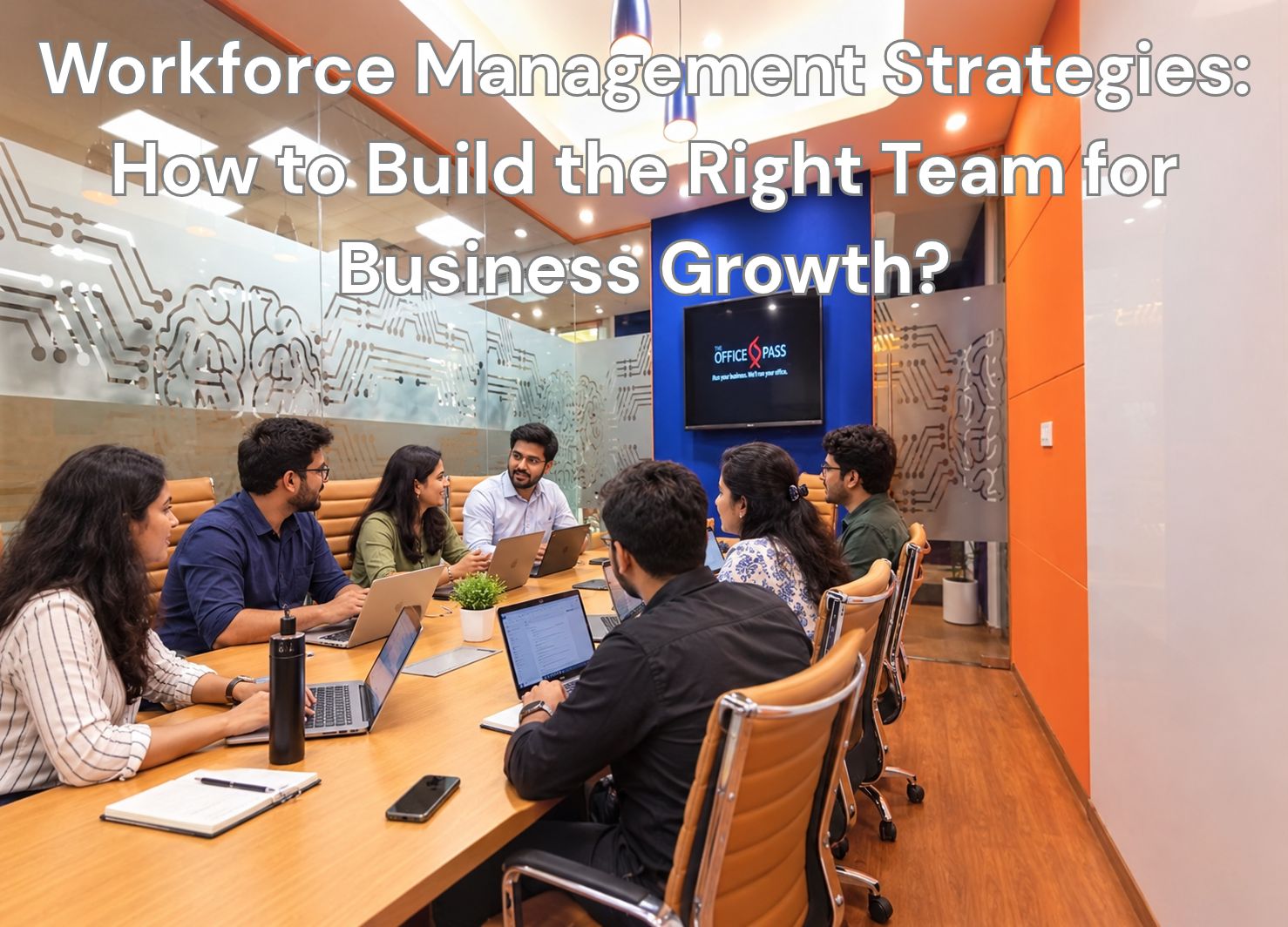
Workforce management is the process of planning, organising, and managing employees so a business has the right people, skills, and resources at the right time. It helps businesses improve productivity, control costs, manage workloads, and keep employees engaged. Strong workforce management also involves workforce planning strategies, employee engagement strategies, technology, and effective employee management strategies. Businesses can use workforce management tools and a digital workforce management system to simplify scheduling, track performance, manage attendance, and make better workforce decisions. By following the right strategies, companies can build a capable and motivated team that supports long-term business growth.
💡 Are you looking for Coworking space in Gurgaon, Noida or Delhi? We are just a call away. Call Now: 08999 828282
10 Workforce Management Strategies to Build the Right Team
- Understand Your Business Workforce Needs
- Create a Strong Workforce Plan
- Hire People Based on Skills and Business Needs
- Invest in Employee Training and Development
- Use Effective Employee Engagement Strategies
- Use Technology to Manage the Workforce
- Improve Employee Scheduling
- Monitor Performance and Productivity
- Focus on Employee Well-Being and Retention
- Review and Improve Workforce Strategies Regularly
1. Understand Your Business Workforce Needs
The first step in effective workforce management is understanding what your business needs today and in the future. Identify the number of employees required for different roles and the skills needed to achieve business goals. Review current workloads, upcoming projects, and expected business growth.
This process helps businesses avoid having too few employees or hiring more people than necessary. A clear understanding of workforce requirements also makes recruitment and resource planning more effective.
2. Create a Strong Workforce Plan
Good workforce planning strategies help businesses prepare for future staffing requirements. Start by reviewing your current workforce and identifying skill gaps. Then, consider future business objectives and determine what roles may be required.
For example, a growing company may need more sales professionals, customer service employees, or technology specialists. Planning in advance allows businesses to recruit and train employees before a workforce shortage affects operations.
3. Hire People Based on Skills and Business Needs
Hiring the right people is one of the most important parts of building a successful team. Instead of focusing only on qualifications, businesses should also consider skills, experience, adaptability, and cultural fit.
Clearly defined job descriptions can help attract suitable candidates. Companies should also use structured interviews and practical assessments where appropriate. Hiring employees who match the role and business requirements can improve productivity and reduce employee turnover.
Also Read: Customer Feedback: Why It Matters for Business Growth and Success?
4. Invest in Employee Training and Development
Employees need opportunities to improve their skills as business requirements change. Regular training can help workers perform their current responsibilities better while preparing them for future roles.
Businesses can provide technical training, leadership development, communication programmes, and role-specific learning. Employee development can also improve job satisfaction because workers are more likely to feel valued when their employer invests in their growth.
5. Use Effective Employee Engagement Strategies
Employee engagement has a direct impact on productivity, motivation, and retention. Businesses should create an environment where employees feel respected, supported, and connected to organisational goals.
Some useful employee engagement strategies include regular feedback, employee recognition, career development opportunities, open communication, and team activities. Managers should also listen to employee concerns and take practical steps to address them.
Engaged employees are more likely to contribute ideas, collaborate with colleagues, and remain committed to the organisation.
6. Use Technology to Manage the Workforce
Technology can make workforce management faster and more efficient. Businesses can use workforce management tools to manage employee schedules, attendance, leave, workloads, and performance.
A digital workforce management system can bring several workforce activities together in one platform. It can reduce manual work and provide managers with useful information for making decisions.
For example, managers can use workforce data to identify staffing shortages, understand attendance patterns, and plan employee schedules more effectively.
Also Read: Management Skills Every Business Leader Needs to Build Strong Teams
7. Improve Employee Scheduling
Poor scheduling can lead to overworked employees, low productivity, and increased employee dissatisfaction. Businesses should create schedules based on workload, employee availability, skills, and business requirements.
Workforce management software can help managers create and adjust schedules more easily. It can also help businesses ensure that the right number of employees are available during busy periods.
Flexible scheduling can be particularly useful for hybrid and remote teams. It allows businesses to meet operational requirements while giving employees greater control over their working arrangements.
8. Monitor Performance and Productivity
Regular performance monitoring helps businesses understand whether teams are meeting their goals. However, performance management should not only focus on identifying problems.
Managers should set clear goals, provide regular feedback, recognise good performance, and offer support when employees face challenges. Performance reviews can also identify training needs and opportunities for career development.
Using clear and relevant performance metrics allows businesses to make workforce decisions based on actual results rather than assumptions.
💡 Are you looking for Coworking space in Gurgaon, Noida or Delhi? We are just a call away. Call Now: 08999 828282
9. Focus on Employee Well-Being and Retention
Employee well-being should be an important part of employee management strategies. Excessive workloads, poor communication, and limited growth opportunities can contribute to employee burnout and turnover.
Businesses can support employees by encouraging reasonable workloads, offering flexible work options where possible, and creating a supportive workplace culture. Regular communication between managers and employees can also help identify concerns early.
Retaining experienced employees can reduce recruitment costs and help businesses maintain knowledge and productivity.
10. Review and Improve Workforce Strategies Regularly
Workforce requirements can change as businesses grow. Therefore, workforce management should be an ongoing process rather than a one-time activity.
Businesses should regularly review employee performance, staffing levels, turnover, absenteeism, employee feedback, and business requirements. Workforce data can help identify what is working and where improvements are needed.
Companies should also update their workforce management strategies when there are changes in technology, customer demand, business operations, or employee expectations. Regular reviews help businesses build a workforce that can adapt to changing needs.
Conclusion
Effective workforce management helps businesses build stronger teams, improve productivity, and manage daily operations more smoothly. From workforce planning and recruitment to training, scheduling, and employee engagement, the right approach helps companies make better use of their people. A comfortable, well-equipped workspace can also support teamwork and day-to-day collaboration. The Office Pass (TOP) offers flexible coworking spaces where businesses and professionals can work, meet, and collaborate.
Contact TOP at +91-8999-828282 to explore workspace options for your team.
FREQUENTLY ASKED QUESTIONS (FAQS):
Question: What is workforce management?
Answer: Workforce management is the process of planning and managing employees to meet business needs. It includes staffing, scheduling, attendance, performance, and workforce planning.
Question: Why is workforce management important for businesses?
Answer: It helps businesses have the right employees and skills at the right time. It can improve productivity, control labour costs, and support employee satisfaction.
Question: What are the main parts of workforce management?
Answer: The main areas include workforce planning, recruitment, scheduling, attendance management, performance management, employee engagement, and workforce development.
Question: How can businesses improve employee engagement?
Answer: Businesses can improve engagement through regular feedback, employee recognition, career development, open communication, flexible work options, and a supportive workplace culture.
Question: What are workforce management tools?
Answer: Workforce management tools are software solutions that help businesses manage tasks such as employee scheduling, attendance, leave, productivity, and workforce planning.
Question: What are workforce planning strategies?
Answer: Workforce planning strategies help businesses identify current and future staffing requirements. They can include analysing skill gaps, forecasting demand, and planning recruitment.
Question: How does technology support workforce management?
Answer: Technology can automate tasks such as scheduling, attendance tracking, reporting, and workforce planning. This saves time and helps managers make data-based decisions.
Question: What is a digital workforce management system?
Answer: A digital workforce management system is a technology platform that helps businesses manage different workforce activities from one place, including scheduling, attendance, and performance tracking.
Question: How can workforce management reduce employee turnover?
Answer: Effective workforce management can reduce turnover by improving workloads, employee engagement, training, career development, scheduling, and workplace support.
Question: How often should workforce strategies be reviewed?
Answer: Businesses should review their workforce strategies regularly. A quarterly or annual review can help identify changing staffing needs, skill gaps, employee concerns, and new business requirements.