
why keeping bad clients is expensive

Why Keeping Bad Clients Is the Most Expensive Mistake You Can Make?

posted in: Business | 0

Every business wants loyal clients. Clients bring revenue, referrals, and long-term growth. But not every client is good for your business. Some bad clients create stress, waste time, delay payments, and damage team morale.

Many business owners continue working with toxic clients because they fear losing income. This is a common mistake in client management. While keeping difficult clients may seem financially smart in the short term, it often becomes costly over time.

Good client management is not just about getting more customers. It is also about knowing when to let go of clients who harm your business. Learning about handling difficult customers can help protect your time, energy, and reputation.

Here are 10 reasons why keeping bad clients is the most expensive mistake you can make.

đź’ˇ Are you looking for Coworking space in Gurgaon, Noida or Delhi?. We are just a call away.
Call now: 08999 828282

10 Reasons Bad Clients Are Your Most Expensive Business Mistake

  1. Bad Clients Drain Your Time
  2. Toxic Clients Hurt Team Morale
  3. They Often Delay Payments
  4. They Expect More for Less
  5. Bad Clients Damage Your Confidence
  6. They Distract You from Better Opportunities
  7. They Ignore Professional Boundaries
  8. Toxic Clients Damage Your Reputation
  9. They Prevent Process Improvement
  10. Keeping Them Costs More Than Losing Them

1. Bad Clients Drain Your Time

Time is one of your most valuable business assets.

Bad clients often demand extra attention, unnecessary meetings, and endless revisions. They create problems that take focus away from productive work.

Strong client management means protecting your time for clients who respect your process.

When too much time goes to handling difficult customers, your business growth slows down.
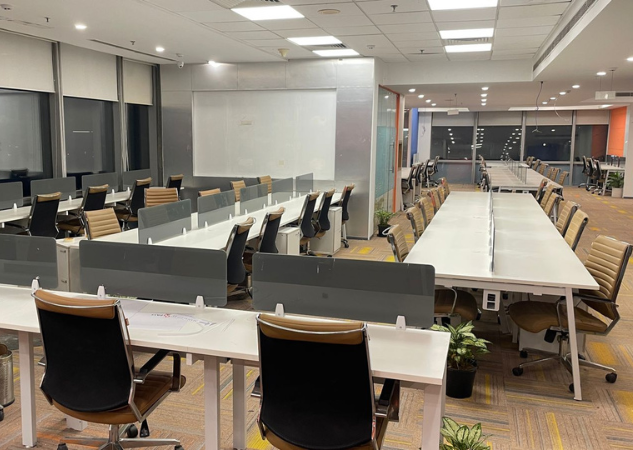
 

The Office Pass Gurgaon
The Office Pass (TOP) Managed Office on Golf Course Road, Gurgaon

2. Toxic Clients Hurt Team Morale

Your team’s energy matters.

Working with toxic clients creates frustration and stress. Constant complaints, rude communication, and unrealistic demands can reduce employee confidence.

Poor client relationships can damage workplace culture.

Smart client management protects your team from unnecessary pressure so they can perform their best.

3. They Often Delay Payments

Late payments are one of the biggest warning signs of bad clients.

Payment delays create cash flow problems and financial uncertainty.

A big part of handling difficult customers is setting clear payment terms from the beginning.

If clients repeatedly ignore payment deadlines, they cost more than they contribute.

Strong client management requires financial boundaries.

4. They Expect More for Less

Some toxic clients constantly ask for extra work without extra payment.

This often starts with “small favors” that slowly become regular expectations.

Without proper client management, these situations reduce profits.

Businesses must define project scope clearly to avoid unfair demands while handling difficult customers.

Respectful clients understand professional boundaries.

5. Bad Clients Damage Your Confidence

Constant criticism from bad clients can affect your confidence.

Even skilled professionals may start doubting their work after repeated negative interactions.

This emotional cost is often ignored in client management, but it matters greatly.

When handling difficult customers, remember that not every complaint means poor performance.

Sometimes the client is the real problem.

6. They Distract You from Better Opportunities

Time spent managing toxic clients often means less time finding ideal clients.

This is one of the hidden costs of poor client management.

You may miss valuable opportunities because your energy is tied to stressful relationships.

Letting go of bad clients creates space for better partnerships and business growth.

7. They Ignore Professional Boundaries

Professional respect is essential.

Some bad clients contact you at all hours, expect immediate replies, or demand personal access.

These behaviors are unhealthy and exhausting.

A key part of handling difficult customers is setting clear communication rules.

Good client management teaches clients how to work with you professionally.

8. Toxic Clients Damage Your Reputation

Not all clients speak positively about your business.

Some toxic clients complain publicly even when you deliver quality work.

This creates unnecessary reputation risks.

Effective client management includes recognising clients who repeatedly create conflict.

Sometimes ending the relationship protects your business image.

đź’ˇ Are you looking for Coworking space in Gurgaon, Noida or Delhi?. We are just a call away.
Call now: 08999 828282

9. They Prevent Process Improvement

Healthy clients offer helpful feedback.

But bad clients often criticise without offering clear direction.

This creates confusion instead of growth.

Strong client management values useful feedback while filtering unfair criticism.

When handling difficult customers, focus only on feedback that improves service quality.

10. Keeping Them Costs More Than Losing Them

Many businesses fear losing income from bad clients.

But the real cost includes lost productivity, emotional stress, delayed payments, and missed opportunities.

This is why keeping toxic clients is often more expensive than replacing them.

Smart client management focuses on long-term business health, not short-term fear.

Sometimes saying no is the most profitable decision.

Conclusion

Not every client is worth keeping. Difficult clients can waste time, affect team morale, and slow business growth. Strong client management means building respectful relationships while knowing when to walk away from toxic customers.

Real success comes from working with the right clients in the right environment. The Office Pass (TOP) provides flexible coworking spaces that help businesses stay productive, professional, and growth-focused.

Contact TOP at +91-8999-828282.

FREQUENTLY ASKED QUESTIONS (FAQs):

Question: What are bad clients?

Answer: Bad clients are customers who create repeated problems, ignore boundaries, or disrespect professional agreements.

Question: What makes a client toxic?

Answer: Toxic clients often show rude behaviour, unrealistic demands, and poor communication.

Question: Why is client management important?

Answer: Client management helps build strong business relationships and avoids unnecessary conflicts.

Question: How do I handle difficult customers?

Answer: Stay calm, set boundaries, communicate clearly, and document agreements.

Question: When should I stop working with bad clients?

Answer: If they repeatedly ignore terms, delay payments, or harm your team, it may be time to end the relationship.

Question: Can toxic clients affect business growth?

Answer: Yes, they waste time and reduce focus on valuable opportunities.

Question: How do I avoid bad clients?

Answer: Use clear contracts, strong screening processes, and honest communication.

Question: Should I fear losing difficult clients?

Answer: Not always. Losing harmful clients often creates room for better ones.

Question: How can I improve client management?

Answer: Set expectations early, communicate clearly, and enforce professional boundaries.

Question: What is the biggest mistake in client management?

Answer: Keeping bad clients too long out of fear of losing short-term income.
BOOK A COWORKING TOUR

top challenges faced by small and medium businesses in india

What are the 15 challenges faced by Small and Medium Businesses (SMBs) in India?

Small and medium businesses continue to play a huge role in India’s economy, but growth comes with constant pressure. Business owners regularly face funding gaps, rising operational costs, hiring challenges, and market competition as they try to scale. These challenges faced by small businesses affect both daily operations and long-term business planning. According to the Economic Survey 2025-26, MSMEs contribute around 31.1% to India’s GDP, 35.4% of manufacturing output, and nearly 48.58% of exports. Despite this significant contribution, many entrepreneurs still struggle with the growing challenges facing small businesses in India. In this blog, we will look at the biggest roadblocks SMBs face today and how businesses are managing them in a competitive market.

Source: PIB, as of January 29, 2026

Understanding the Current SMB Landscape in India

India’s business ecosystem is growing rapidly, with MSMEs contributing strongly to employment, exports, and economic activity. From local service providers to fast-growing startups, businesses are expanding across industries and cities. At the same time, rising costs, digital competition, and changing customer behavior are increasing operational pressure. Many entrepreneurs are managing multiple small business problems while trying to maintain steady growth.

đź’ˇ Are you looking for Coworking space in Gurgaon, Noida or Delhi?. We are just a call away.
Call now: 08999 828282

Key SMB Trends in India:

  • MSMEs contribute over 31% to India’s GDP.
  • Nearly 48% of India’s exports come from MSMEs.
  • More businesses are adopting digital tools and online operations.
  • Rising rental and operational costs are affecting profits.
  • Hiring skilled employees remains one of the major challenges faced by small businesses.

15 Major Challenges Faced by Small and Medium Businesses (SMBs) in India

Building a business in India is exciting, but it also comes with constant pressure. From managing expenses to finding the right people, SMB owners often juggle multiple responsibilities at once.

Understanding these challenges faced by small businesses can help entrepreneurs plan better and avoid common growth roadblocks.

Major Challenge Business Impact
Difficulty getting loans or working capital slows growth.
Higher rent, salaries, and utility bills reduce margins.
Bigger companies dominate advertising and pricing.
Finding and retaining good talent remains difficult.
Businesses must adapt to technology and online operations.
Delayed payments affect daily operations.
GST, taxes, and licenses require constant attention.
Generating leads is becoming more expensive.
Software and cybersecurity investments can be expensive.
Delivery delays impact customer trust.
Expanding into new markets takes planning and capital.
Customer expectations continue to evolve quickly.
SMBs struggle to compete with large advertising spends.
Inflation and market slowdowns affect stability.
Expensive office setups increase operational pressure.


Let us elaborate a bit more on  these 15 challenges faced by small and medium businesses and the best solution to deal with them:

1. Limited Access to Funding and Credit

Securing business loans remains difficult for many SMBs in India. Banks often require collateral, strong financial records, and extensive paperwork before approving funding. For startups and growing companies, this is one of the biggest small-business problems and slows expansion plans.

  • Solution: Explore MSME loan schemes, NBFC financing, and startup-friendly funding options with flexible requirements.
The Office Pass Gurgaon
The Office Pass (TOP) Managed Office on Golf Course Road, Gurgaon

2. Rising Operational and Business Costs

Rent, electricity, salaries, internet, and transportation costs continue to rise, especially in metro cities. Managing these increasing expenses has become one of the major challenges of small business owners today.

  • Solution: Shift to flexible workspaces and automate routine operations to reduce overhead costs.

3. Competing With Large Companies

Large brands usually have bigger marketing budgets, wider customer reach, and stronger brand visibility. This creates real challenges faced by SMEs trying to grow in competitive markets.

  • Solution: Focus on niche services, customer relationships, and personalized experiences instead of competing only on price.

4. Hiring and Retaining the Right Talent

Many SMBs struggle to hire experienced professionals within limited budgets. Employee turnover also affects productivity and customer satisfaction, making it one of the most common problems faced by small business owners.

  • Solution: Offer a flexible work culture, learning opportunities, and performance-based growth to retain employees longer.

5. Pressure to Go Digital

Customers now expect businesses to be active online and respond quickly. However, adopting technology requires time, money, and technical support, making it a growing challenge for SMEs.

  • Solution: Start with affordable digital tools and gradually expand online operations as business needs evolve.

6. Cash Flow and Delayed Payments

Late client payments often create financial stress for SMBs. Salaries, vendor payments, and daily expenses become difficult to manage when cash flow remains unstable.

  • Solution: Use invoicing software and maintain backup funds to better manage payment delays.

7. Managing Compliance and Regulations

GST filings, tax records, licenses, and legal formalities consume time and resources for growing businesses. These remain common problems of small-scale businesses across industries.

  • Solution: Use accounting software or outsource compliance work to reduce administrative pressure.

8. Customer Acquisition Challenges

Finding new customers has become harder due to increasing competition across industries. Many SMBs struggle to maintain a steady flow of leads while managing limited resources and growing market pressure.

  • Solution: Focus on referral marketing, local SEO, and customer retention strategies to improve lead generation.

Also Read: Top Challenges Faced By Multinational Companies in India

9. Supply Chain and Inventory Issues

Inventory shortages, delayed deliveries, and fluctuating raw material costs affect customer trust and business operations. These remain major problems of small-scale industries in India.

  • Solution: Build backup vendor networks and maintain buffer stock for important products.

10. Economic Uncertainty

Inflation, policy changes, and market slowdowns create uncertainty for businesses. These market fluctuations continue to pose major challenges for small and medium enterprises in India.

  • Solution: Diversify revenue streams and plan flexible monthly budgets to manage uncertainty better.

11. Difficulty Scaling the Business

Many companies perform well locally but face operational and financial difficulties while expanding. Scaling remains one of the long-term challenges faced by small businesses.

  • Solution: Build scalable systems and standardize business operations early.

12. Technology and Cybersecurity Risks

As businesses become more digital, protecting customer data and online systems becomes critical. Many SMBs still lack a strong cybersecurity infrastructure, creating serious problems for SMEs in India.

  • Solution: Use secure cloud platforms, regular software updates, and employee cybersecurity training.

13. Limited Marketing Budgets

Large companies often spend heavily on advertising and promotions, making it difficult for SMBs to compete consistently. This remains one of the common challenges of small business owners trying to improve brand visibility.

  • Solution: Invest in content marketing and organic digital channels for long-term visibility at lower costs.

14. Office Space and Infrastructure Costs

Traditional offices often involve high deposits, maintenance costs, and long lease commitments. These workspace expenses are common problems for small businesses in India for growing teams.

  • Solution: Choose managed coworking spaces to reduce office setup and maintenance costs.

15. Changing Customer Expectations

Customers today expect faster communication, better service, and smooth online experiences. Adapting to these changing demands has become one of the major challenges of small-scale industries today.

  • Solution: Collect customer feedback regularly and improve services based on customer preferences.

Are you looking for Coworking space in Gurgaon, Noida or Delhi?. We are just a call away.

Call now: +91-8999-828282

đź’ˇ Are you looking for Coworking space in Gurgaon, Noida or Delhi?. We are just a call away.
Call now: 08999 828282

How Indian SMBs Can Overcome These Challenges?

Managing a growing business becomes easier when companies focus on practical and cost-effective solutions. Here are a few strategies that can help SMBs handle operational pressure more efficiently:

  1. Focus on Digital Branding: A strong online presence helps businesses reach more customers without spending heavily on traditional advertising.
  2. Use Automation For Daily Tasks: Automating billing, payroll, customer support, and inventory management saves time and reduces manual errors.
  3. Choose Flexible Workspaces: Coworking spaces help businesses avoid high office setup costs and long lease commitments.
  4. Track Cash Flow Regularly: Monitoring payments, expenses, and monthly budgets helps businesses avoid sudden financial pressure.
  5. Outsource Non-Core Work: Outsourcing tasks like accounting, IT support, or HR management allows teams to focus on core business goals.
  6. Invest in Employee Upskilling: Regular training improves productivity and helps businesses retain talent longer.
  7. Build Strong Customer Relationships: Quick support, consistent communication, and better service help businesses improve customer loyalty.

The Future of Small and Medium Businesses in India

Businesses that adapt quickly to changing customer needs and market trends are likely to grow faster in the coming years. Technology, flexible operations, and smarter cost management are becoming essential to overcoming many of the challenges small businesses face today. Flexible infrastructure is also helping companies reduce operational pressure and manage everyday small business problems more efficiently. The Office Pass (TOP) offers fully managed coworking spaces across Gurugram, Noida, and Delhi for startups, SMBs, and growing teams. With ready-to-use offices, meeting rooms, and flexible workspace plans, businesses can focus more on growth while reducing the stress of office management.

For workspace inquiries, contact TOP at +91-8999-828282.

FAQs Related to Small and Medium Business:

Question: What are the main challenges faced by small business in India?

Answer: Small and Medium businesses in India face several major challenges that can hinder their growth and sustainability which include: Lack of Access to Finance, Regulatory Compliance, Infrastructure Deficiencies, Limited Market Access, Skilled Manpower Shortage, Technology Adoption & Competition from Unorganized Sector.

Question: What strategies can small businesses adopt to compete with larger companies?

Answer: Small businesses can adopt several strategies to compete effectively with larger companies. Here are some strategies they can consider: niche focus, personalized customer experience, quick decision-making, focus on local community, collaborate and Network, unique selling proposition and focus on quality.

Question: What are the features of small business?

Answer: Small businesses have a variety of features that distinguish them from larger corporations. Here are some common features of small businesses: size, ownership, local focus, flexibility and agility, personalized service, local job creation, limited resources and community engagement.

Question: What size is a small to medium business?

Answer: The categorization of a small to medium-sized business (SMB) can vary depending on various factors such as industry, location, and specific definitions used by different organizations or countries. Small businesses often have between 10 and 50 employees while one with between 50 and 1,000 employees is a medium-sized business.

Question: How can small businesses in India address these challenges?

Answer: To address these challenges, SMBs can explore options such as seeking financial assistance from government schemes, improving their digital presence, investing in employee training, and staying informed about regulatory changes. Additionally, forming industry associations and networks can provide support and opportunities for collaboration.

Question: What infrastructure challenges do SMBs face in India?

Answer: Inadequate infrastructure such as unreliable power supply, poor transportation networks, and limited access to technology hinder productivity and growth.

Question: What are the difficulties SMBs face in terms of talent acquisition and retention?

Answer: Limited resources make it challenging to attract skilled talent, and retention becomes an issue due to competition from larger firms and limited career growth opportunities.

Question: How does lack of digital adoption affect SMBs in India?

Answer: Limited digital presence and outdated technology hinder competitiveness, customer reach, and operational efficiency for SMBs.

Question: How does access to finance pose a challenge for SMBs in India?

Answer: Limited access to capital, high interest rates, and complex loan approval processes hinder growth and expansion.

Question: How do economic fluctuations impact SMBs in India?

Answer: Fluctuations in the economy, including inflation, currency depreciation, and changing consumer behavior, pose challenges for SMBs in maintaining stability and growth.

BOOK A COWORKING TOUR

how business owners demotivate great teams

How Smart Business Owners Unintentionally Demotivate Great Teams?

posted in: Business | 0

Every business owner wants a strong and motivated team. But sometimes even smart business owners unknowingly demotivate employees. Small daily actions, poor communication, and unclear expectations can slowly reduce employee confidence and energy.

Demotivation at the workplace often happens when employees feel ignored, undervalued, or confused about their role. Over time, this affects productivity, trust, and company growth.

Understanding the causes of demotivation in the workplace can help leaders build happier and more productive teams. Below are 10 common mistakes that can demotivate employees without business owners even realizing it.

💡 Are you looking for Coworking space in Gurgaon, Noida or Delhi? We are just a call away. Call Now:   08999 828282

10 Common Business Owner Mistakes That Lower Employee Motivation

  1. Lack of Recognition for Hard Work
  2. Poor Communication from Leadership
  3. Micromanaging Every Task
  4. No Growth Opportunities
  5. Unfair Treatment Among Team Members
  6. Setting Unrealistic Expectations
  7. Ignoring Employee Feedback
  8. Creating a Fear-Based Culture
  9. Lack of Work-Life Balance
  10. Not Leading by Example

1. Lack of Recognition for Hard Work

One of the biggest demotivating factors for employees is not being appreciated.

When employees work hard and receive no recognition, they feel invisible. Even a simple “good job” can boost morale.

Ignoring effort creates demotivation in the workplace because employees feel their work does not matter.

Business owners should celebrate achievements regularly, both big and small.

The Office Pass Noida
The Office Pass (TOP) Coworking Space in Noida

2. Poor Communication from Leadership

Clear communication builds trust.

When business owners fail to explain goals, updates, or expectations, employees feel confused and disconnected. This confusion becomes one of the major causes of demotivation in the workplace.

Good leaders communicate openly and regularly.

Employees should always understand what is expected and how their work supports company success.

3. Micromanaging Every Task

Micromanagement is one of the biggest things that demotivates employees.

When leaders constantly check every detail, employees feel they are not trusted. This reduces confidence and creativity.

Great employees want freedom to solve problems and show their skills.

Instead of controlling every task, guide employees and trust them to deliver results.

Also Read: Top 10 Ways to Show Appreciation to Your Employees

4. No Growth Opportunities

People want progress.

When employees feel stuck with no chance to learn or grow, employee demotivation increases.

Lack of training, promotions, or skill development makes employees feel their future is limited.

Smart business owners invest in employee growth through training, workshops, and career discussions.

Growth creates motivation.

5. Unfair Treatment Among Team Members

Fairness matters in every workplace.

If some employees receive special treatment while others are ignored, it creates frustration and demotivation at workplace.

Favoritism destroys trust.

Employees notice unequal treatment quickly, and it becomes one of the strongest demotivating factors.

Business owners must create fair systems for rewards, promotions, and feedback.

6. Setting Unrealistic Expectations

High standards are good, but impossible expectations can demotivate employees.

When deadlines are unrealistic or workloads are too heavy, stress increases.

Employees may feel like failure is unavoidable.

This is one of the hidden causes of demotivation in the workplace because workers lose confidence when success feels impossible.

Set clear and realistic goals to keep teams motivated.

Also Read: 18 Ways Entrepreneurs Can Maintain A Healthy Work-Life Balance

7. Ignoring Employee Feedback

Employees want to be heard.

When business owners ignore suggestions, concerns, or ideas, employees stop speaking up.

This creates demotivation in the workplace because workers feel their voice has no value.

Listening shows respect.

Even if every idea cannot be used, acknowledging feedback improves trust and engagement.

8. Creating a Fear-Based Culture

Fear does not build loyalty.

If employees fear punishment for mistakes, they avoid taking initiative.

This is one of the worst things that demotivates employees because it kills creativity and problem-solving.

Mistakes should be treated as learning opportunities.

Supportive leadership creates confidence and better performance.

💡 Are you looking for Coworking space in Gurgaon, Noida or Delhi? We are just a call away. Call Now:   08999 828282

9. Lack of Work-Life Balance

Burnout leads to employee demotivation.

Long hours, constant pressure, and no flexibility reduce energy and focus.

Employees need time to recharge.

Ignoring work-life balance is one of the top demotivating factors for employees today.

Smart business owners encourage healthy boundaries and respect personal time.

A rested team performs better.

10. Not Leading by Example

Employees watch leaders closely.

If business owners expect discipline but then arrive late, ignore rules, or avoid responsibility, employees lose respect for them.

This creates demotivation in the workplace because leadership feels dishonest.

Strong leaders model the behaviour they expect from their team.

Leading by example builds trust and motivation.

Conclusion

Most employee demotivation does not happen intentionally. In many cases, business owners become so focused on targets, operations, and growth that they overlook how everyday actions affect team morale. By understanding the common causes of demotivation in the workplace, companies can create a healthier and more positive work culture built on trust, fairness, and support.

When employees feel valued and respected, they are more likely to stay engaged, productive, and committed to the organization’s success. Creating that kind of environment also requires the right workspace — one that encourages collaboration, open communication, and team connection.

For businesses looking to build motivated and high-performing teams, The Office Pass (TOP) offers flexible coworking spaces designed to support modern teams and growing businesses.

Contact TOP at +91-8999-828282 to explore coworking solutions for your team.

FREQUENTLY ASKED QUESTIONS (FAQS):

Question: What is employee demotivation?

Answer: Employee demotivation is when workers lose interest, energy, or enthusiasm for their job.

Question: What are common causes of demotivation in the workplace?

Answer: Poor communication, lack of recognition, unfair treatment, and heavy workloads are common causes.

Question: How can leaders avoid demotivating employees?

Answer: Leaders should communicate clearly, show appreciation, and support employee growth.

Question: Why does lack of recognition demotivate employees?

Answer: Employees feel undervalued when their efforts are ignored.

Question: Can micromanagement cause demotivation?

Answer: Yes, micromanagement reduces trust and limits creativity.

Question: Why is employee feedback important?

Answer: Feedback helps employees feel heard and valued.

Question: How does unfair treatment affect motivation?

Answer: It creates frustration and reduces trust in leadership.

Question: Why is work-life balance important for motivation?

Answer: Balanced employees are healthier, happier, and more productive.

Question: Can fear-based management demotivate teams?

Answer: Yes, fear reduces confidence and stops innovation.

Question: How can business owners improve workplace motivation?

Answer: They can build trust, reward effort, support learning, and lead by example.

BOOK A COWORKING TOUR

gurgaon called millennium city

Why is Gurgaon (Gurugram) Called Millennium City of India?

posted in: Coworking in Gurgaon | 0

Gurgaon is no longer just a Delhi NCR suburb. Today, it is one of India’s biggest corporate, startup, and lifestyle destinations.

Over the last two decades, Gurgaon has transformed into one of India’s fastest-growing commercial centres. The city now houses thousands of startups, Fortune 500 companies, IT firms, and premium coworking spaces. According to a recent CBRE India office market report, Gurgaon remains among India’s leading commercial office markets, driven by strong demand for flexible workspaces and global business expansion.

In this blog, we explore why Gurgaon is called the Millennium City of India, how it transformed from farmland into a modern business hub, and the key reasons behind its rapid urban growth.

Source: CBRE India, as of March 24, 2025

đź’ˇ Are you looking for Coworking space in Gurgaon, Noida or Delhi?. We are just a call away.
Call now: 08999 828282

Why is Gurgaon Called the Millennium City of India?

Gurgaon’s rapid transformation from rural farmland into a major corporate and urban hub explains what is a millennium city. Today, it is one of the fastest-growing business destinations, home to global companies, IT parks, startups, and modern lifestyle infrastructure.

  1. Corporate Expansion: Gurgaon became a preferred base for multinational companies, making it a key corporate hub in India.
  2. Cyber City Identity: Developments like Cyber City positioned Gurgaon as a symbol of modern business growth.
  3. Infrastructure Boom: Metro connectivity, expressways, and planned urban development improved accessibility and growth.
  4. Startup Ecosystem Growth: A strong startup culture attracted entrepreneurs, investors, and innovation-driven businesses.
  5. Modern Urban Lifestyle: High-rise offices, premium housing, malls, and coworking spaces shaped Gurgaon’s modern identity.

10 Top Reasons Why Gurgaon is Called the Millennium City of India

The growth of Millennium City Gurgaon is backed by strong infrastructure, global businesses, a startup culture, and premium lifestyle development. These factors helped Gurgaon evolve into one of the most important commercial hubs in the country.

Here are some of the biggest reasons why Gurgaon is widely recognized as the Millennium City of India:

Reason Why It Matters?
Gurgaon houses offices of major global companies, startups, and Fortune 500 brands.
DLF Cyber City became a symbol of India’s modern corporate ecosystem.
Wide highways, expressways, and metro connectivity improved business mobility.
The city offers Grade-A commercial buildings and flexible workspaces.
Gurgaon is home to many unicorn startups and fast-growing businesses.
High-end malls, restaurants, golf courses, and residential projects attract professionals.
Proximity to Delhi and the IGI Airport makes Gurgaon highly accessible.
Thousands of professionals move here every year for career growth.
Modern residential and commercial zones support work-life convenience.
Gurgaon has become one of India’s largest coworking space markets.


Let us elaborate a bit on these 10 top reasons why Gurgaon is called the Millennium City of India:

1. Corporate Hub

Gurgaon has become a major base for global companies, consulting firms, and Fortune 500 brands. On any weekday, Cyber City feels like a live corporate engine where professionals from across India converge for work.

The Office Pass Gurgaon
The Office Pass (TOP) Managed Office on Golf Course Road, Gurgaon

2. Cyber City Development

DLF Cyber City stands as a landmark of modern corporate India. Its nonstop activity, late working hours, and global offices make it a core symbol of Gurgaon’s millennium-city identity.

3. Rapid Infrastructure Growth

Expressways, metro connectivity, and wide roads have reshaped daily movement in Gurgaon. A smooth metro or highway ride now connects major business hubs across Delhi NCR in minutes.

4. Premium Office Spaces

Gurgaon offers Grade-A offices, tech parks, and flexible workspaces. Companies prefer it because offices are ready to move, reducing setup time and operational stress.

5. Startup Ecosystem

The city has become a strong base for startups across fintech, tech, and services. Many founders begin in coworking spaces and rapidly scale their teams as funding and clients grow.

6. Luxury Lifestyle

Malls, restaurants, and residential complexes define Gurgaon’s urban lifestyle. Professionals often balance long workdays with quick access to leisure and entertainment nearby.

7. Connectivity

Strong links via NH-48, metro routes, and IGI Airport make travel seamless. Business professionals frequently schedule meetings and travel without long city delays.

8. Employment Opportunities

Gurgaon attracts professionals from across India seeking faster career growth. The city offers exposure to global work culture and high-paced corporate environments.

9. Smart Urban Planning

Planned sectors and mixed-use developments support efficient living and working. Many professionals choose homes close to offices to reduce commute stress.

10. Coworking & Flexible Workspaces

Gurgaon has become a leading hub for coworking and hybrid work culture. Teams often start small in shared spaces and expand without changing their business address.

Few More Reasons Behind Gurgaon’s Millennium City Transformation


The rise of Millennium City Gurgaon was driven by more than just corporate growth. Strong infrastructure, real estate expansion, and modern urban planning helped transform the city into one of the most recognized business destinations in the history of the Millennium City of India.

  • Booming Real Estate Market: Rapid commercial and residential projects turned Gurgaon into a major urban business hub.
  • Rise of Coworking Spaces: Flexible offices and shared workspaces made it easier for startups and hybrid teams to grow.
  • Strong Job Market: The city attracts professionals from across India with opportunities in IT, finance, consulting, and startups.
  • Global Business Presence: Many multinational companies set up offices here, increasing investment and economic activity.
  • Better Connectivity: Metro expansion, expressways, and easy airport access improved daily commuting and business travel.
  • Modern Lifestyle Infrastructure: Premium malls, cafes, schools, healthcare, and entertainment hubs made Gurgaon attractive for working professionals.
  • Startup-Friendly Ecosystem: Access to investors, office spaces, and skilled talent helped Gurgaon become a startup hotspot.
  • Fast Urban Development: Gurgaon evolved rapidly from open land into a skyline of corporate towers and residential complexes, strengthening its identity as a Gurugram Millennium City.

Are you looking for Coworking space in Gurgaon, Noida, or Delhi?. We are just a call away.

Call now: 08999 828282

đź’ˇ Are you looking for Coworking space in Gurgaon, Noida or Delhi?. We are just a call away.
Call now: 08999 828282

How Gurgaon Became a Symbol of Modern India’s Urban Success?

The rise of India’s millennium city is a clear example of rapid urban transformation. In the 1980s, Gurgaon was mostly rural with limited infrastructure and minimal commercial activity. By the 2000s, IT parks, multinational companies, and real estate development began reshaping its identity. Today, Millennium City Gurgaon stands as a global business hub with Cyber City, modern infrastructure, and a strong startup ecosystem, making it one of India’s leading urban success stories.

For businesses looking to grow in the heart of Gurugram Millennium City, The Office Pass (TOP) offers premium coworking spaces, managed offices, and flexible workspace solutions across prime locations.

To explore workspace solutions with TOP, contact +91-8999-828282.

FREQUENTLY ASKED QUESTIONS (FAQs):

Question: Why is Gurgaon called the Millennium City?

Answer: Gurgaon is called the Millennium City because it experienced rapid urbanization and development during the late 1990s and early 2000s, especially in the IT and corporate sectors. This growth coincided with the turn of the millennium, hence the name “Millennium City.”

Question: What do you mean by Millennium City?

Answer: A Millennium City refers to a city that symbolizes progress, modernization, and development, particularly during the period around the turn of the millennium (the year 2000). These cities often experience significant economic growth, infrastructure development, and technological advancements.

Question: Why is Gurgaon famous?

Answer: Gurgaon is famous for its rapid urbanization, particularly in the corporate and IT sectors. It has become a hub for multinational companies, leading to its reputation as a major business and financial center in India. Additionally, Gurgaon is known for its modern infrastructure, shopping malls, and residential complexes.

Question: What is the full form of the millennium?

Answer: The full form of millennium is “a period of one thousand years,” commonly referring to the transition from one millennium to another, such as the shift from the 20th to the 21st century. In the context of Gurgaon being called the Millennium City, it signifies the period around the year 2000 when the city experienced significant growth and development.

Question: How did Gurgaon’s proximity to Delhi influence its growth as the Millennium City?

Answer: Gurgaon’s close proximity to the Indian capital, Delhi, provided it with strategic advantages, including accessibility to government institutions, airports, and major transportation networks, which fueled its growth as a commercial and residential center.

Question: What role did multinational corporations play in shaping Gurgaon’s identity as the Millennium City?

Answer: Multinational corporations, attracted by Gurgaon’s favorable business environment, invested heavily in the region, establishing their offices, research centers, and manufacturing units. This influx of investment contributed significantly to Gurgaon’s economic prosperity.

Question: What role did the Information Technology (IT) and Business Process Outsourcing (BPO) sectors play in Gurgaon’s growth?

Answer: Gurgaon emerged as a major IT and BPO hub, attracting top companies from around the world. The presence of these industries not only created employment opportunities but also positioned Gurgaon as a leading destination for technology-driven businesses.

Question: What role did the hospitality and entertainment sectors play in shaping Gurgaon’s reputation?

Answer: Gurgaon became known for its vibrant nightlife, upscale restaurants, luxury hotels, and entertainment venues. The presence of these amenities attracted tourists and business travelers, further solidifying Gurgaon’s status as a cosmopolitan city.

Question: How did Gurgaon’s real estate boom contribute to its reputation as the Millennium City?

Answer: Gurgaon witnessed a significant real estate boom characterized by the construction of high-rise buildings, luxury apartments, shopping malls, and entertainment complexes. This rapid urban development reshaped the city’s skyline and enhanced its modern image.

Question: What are some challenges associated with Gurgaon’s rapid urbanization despite its title as the Millennium City?

Answer: Despite its rapid growth and development, Gurgaon faces challenges such as traffic congestion, inadequate public transportation, environmental degradation, and socio-economic disparities. Addressing these challenges is crucial for sustaining Gurgaon’s growth and ensuring a high quality of life for its residents.

BOOK A COWORKING TOUR