


10 Ways Startups Can Increase Their Visibility

posted in: Small Business | 0

Visibility is essential for startups aiming to establish their presence and attract a loyal customer base. With countless businesses vying for attention in a crowded marketplace, finding effective ways to stand out can make all the difference. Fortunately, there are numerous strategies that startups can employ to enhance their brand awareness and connect with their target audience. In this blog, we will explore ten impactful ways startups can boost their visibility, enabling you to cultivate a strong brand identity and foster lasting relationships with customers. Whether you’re just launching your business or looking to revitalize your marketing efforts, these actionable tips will guide you toward success.

💡 Are you looking for Coworking space in Gurgaon, Noida or Delhi? We are just a call away.
Call Now:   08999 828282

10 Ways Startups Can Boost Their Visibility

  1. Leverage Digital Marketing for Startups
  2. Use Content Marketing for Startups
  3. Embrace Social Media Strategies for Startups
  4. Collaborate with Influencers
  5. Explore Startup Growth Hacks
  6. Participate in Community Events
  7. Build Partnerships
  8. Invest in PR Campaigns
  9. Optimize Your Online Listings
  10. Focus on Customer Retention
The Office Pass Noida
The Office Pass (TOP) Coworking Space in Noida

1. Leverage Digital Marketing for Startups

Digital marketing is a powerful tool for startups. From search engine optimization (SEO) to pay-per-click (PPC) advertising, online platforms allow you to reach a global audience with minimal costs. Focus on building a strong online presence through a user-friendly website, engaging social media pages, and targeted ads.

2. Use Content Marketing for Startups

Content marketing is one of the most cost-effective ways to promote a new business. By creating valuable and relevant content, such as blogs, videos, and infographics, you can attract and retain a clearly defined audience. Share stories about your startup journey, offer tips in your industry, and provide solutions to your target audience’s problems.

3. Embrace Social Media Strategies for Startups

Social media platforms are invaluable for startups looking to connect with their audience. Choose platforms where your target audience spends the most time. Use a mix of organic posts, stories, and paid advertisements to engage with potential customers. Don’t forget to interact with followers by responding to comments and messages.

Also Read: When Should You Raise Funds For Your Startup?

4. Collaborate with Influencers

Partnering with influencers can be a great way to reach new audiences. Look for influencers in your niche who have a strong following and credibility. Influencer collaborations can include sponsored posts, reviews, or co-created content that highlights your products or services.

5. Explore Startup Growth Hacks

Growth hacks are creative strategies to quickly boost your startup’s visibility. For example, you could run a limited-time giveaway, create a referral program, or offer exclusive discounts to early adopters. These tactics can generate buzz and encourage people to share your brand with others.

6. Participate in Community Events

Engaging with your local community is an excellent way to promote your startup. Attend trade shows, business expos, and networking events to showcase your products or services. Face-to-face interactions help build trust and create lasting connections.

7. Build Partnerships

Forming partnerships with other businesses can expand your reach. Collaborate with companies that complement your offerings. For instance, if you run a tech startup, partnering with a digital marketing agency could create mutual benefits and increase exposure.

💡 Are you looking for Coworking space in Gurgaon, Noida or Delhi? We are just a call away.
Call Now:   08999 828282

8. Invest in PR Campaigns

Public relations (PR) can significantly boost your startup’s visibility. Reach out to journalists, bloggers, and media outlets with press releases about your business. A well-crafted PR campaign can help you secure coverage in newspapers, magazines, and online platforms.

9. Optimize Your Online Listings

Make sure your business is listed on platforms like Google My Business, Yelp, and industry-specific directories. Accurate and complete listings make it easier for potential customers to find you online. Encourage satisfied customers to leave positive reviews to boost your credibility.

10. Focus on Customer Retention

Happy customers can be your best brand ambassadors. Provide excellent customer service and go the extra mile to satisfy your customers. Encourage them to share their experiences on social media or leave reviews, helping to spread the word about your startup.

increasing visibility is crucial for startups aiming to establish a strong foothold in today’s competitive market. By implementing the ten strategies outlined above, from leveraging social media to engaging in community events, startups can effectively enhance their brand presence and attract a wider audience. As you embark on this journey, consider the importance of a conducive work environment in fostering creativity and collaboration. The Office Pass (TOP) offers modern co-working spaces designed to support startups in their growth. With flexible plans, vibrant workspaces, and essential amenities, TOP provides the ideal setting for your team to thrive while you focus on boosting visibility and achieving your business goals.  Call 08999 828282 today and set up your office at The Office Pass!

FREQUENTLY ASKED QUESTIONS (FAQS):

Question: What is digital marketing for startups, and why is it important?

Answer: Digital marketing for startups involves promoting your business online through strategies like SEO, social media, email, and paid ads. It’s important because it helps startups reach a larger audience quickly, often with a smaller budget compared to traditional marketing methods.

Question: How can content marketing help startups grow?

Answer: Content marketing for startups focuses on creating useful, engaging, and relevant content like blogs, videos, or infographics to attract potential customers. It builds trust, boosts online visibility, and positions the startup as an expert in its field.

Question: What are some startup growth hacks for increasing visibility?

Answer: Startup growth hacks include tactics like leveraging viral marketing campaigns, offering limited-time discounts, partnering with influencers, and using referral programs to gain traction quickly without heavy spending.

Question: What are some effective startup marketing tips for beginners?

Answer: Begin with a clear understanding of your target audience. Focus on building a strong social media presence, creating a user-friendly website, engaging with your audience, and using analytics tools to track your progress.

Question: How can social media strategies help startups gain visibility?

Answer: Social media strategies for startups include posting consistent content, engaging with followers, using trending hashtags, running ads, and collaborating with influencers. These methods help you connect with a larger audience and boost brand awareness.

Question: What are the best ways to promote a new business on a tight budget?

Answer: Ways to promote a new business include leveraging social media, attending networking events, creating high-quality content, optimizing your website for SEO, and using free tools like Google My Business to reach local customers.

Question: Why is SEO important for startup visibility?

Answer: SEO (Search Engine Optimization) helps startups rank higher in search engine results, making it easier for potential customers to find them. A strong SEO strategy increases organic traffic and reduces dependency on paid ads.

Question: How can startups use email marketing effectively?

Answer: Startups can use email marketing by building a mailing list, sending personalized emails, sharing valuable content, promoting special offers, and following up with leads. This keeps the audience engaged and informed about the business.

Question: What role does networking play in increasing startup visibility?

Answer: Networking allows startups to build connections with industry leaders, potential partners, and customers. Attending events, joining online communities, and collaborating with other businesses can help a startup gain exposure and credibility.

Question: What should startups focus on to create long-term visibility?

Answer: To ensure long-term visibility, startups should focus on building a strong brand identity, delivering quality products or services, maintaining consistent customer engagement, and regularly analyzing and refining their marketing strategies.

BOOK A COWORKING TOUR

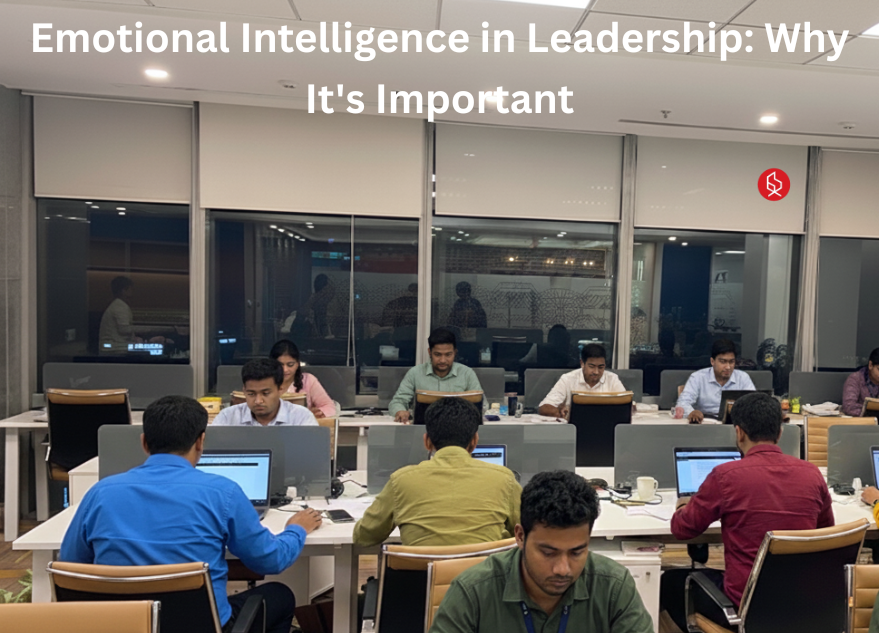
Emotional Intelligence in Leadership Why It's Important

Emotional Intelligence in Leadership: Why It’s Important

posted in: Entrepreneur | 0

In today’s business world, technical skills alone won’t make you a great leader. Emotional intelligence, the ability to understand and manage emotions, has become the critical factor that separates good managers from truly transformational ones.

💡 Are you looking for Coworking space in Gurgaon, Noida or Delhi? We are just a call away. Call Now:   08999 828282

10 Ways Emotional Intelligence Strengthens Leadership

  1. Self-Awareness: The Foundation of Emotional Intelligence
  2. Empathy Transforms Workplace Relationships
  3. Self-Regulation Keeps Leaders Calm Under Pressure
  4. Social Skills Enable Effective Communication
  5. Motivation and Emotional Intelligence Drive Results
  6. Emotional Intelligence Training for Employees Creates Ripple Effects
  7. Reducing Workplace Conflict Through Emotional Awareness
  8. Emotional Intelligence Enhances Decision-Making Quality
  9. Building Psychological Safety Through Emotional Leadership
  10. The Long-Term Impact on Organizational Culture

1. Self-Awareness: The Foundation of Emotional Intelligence

Before you can effectively lead others, you must understand yourself. Self-aware leaders recognize their emotional triggers, acknowledge their strengths and weaknesses, and understand how their mood affects those around them. 

This foundation of emotional intelligence in the workplace allows leaders to make conscious choices rather than reactive decisions. When you know what sets you off or what energies you bring to a meeting, you can adjust your approach to create more positive interactions.

The Office Pass Gurgaon
The Office Pass (TOP) Managed Office on Golf Course Road, Gurgaon

2. Empathy Transforms Workplace Relationships

Empathy is the most potent component of emotional intelligence training for employees and leaders alike. When leaders genuinely understand their team members’ perspectives, concerns, and aspirations, they build trust and loyalty that transcends typical employer-employee relationships. 

Empathetic leaders notice when someone is struggling, celebrate authentic wins, and create space for honest conversations. This emotional attunement turns workplaces from transactional environments into collaborative communities where people thrive.

3. Self-Regulation Keeps Leaders Calm Under Pressure

The importance of emotional intelligence in leadership becomes most evident during crises. Leaders who can regulate their emotions don’t panic when challenges arise or lash out when frustrated. Instead, they pause, assess the situation objectively, and respond thoughtfully rather than reactively. 

This composure doesn’t mean suppressing emotions—it means processing them constructively and modeling resilience for the entire team, setting the tone during difficult times.

Also Read: The Leadership Mindset: 5 Key Strategies to Execute Your Vision

4. Social Skills Enable Effective Communication

Emotionally intelligent leaders excel at reading the room and adapting their communication style accordingly. They navigate difficult conversations with grace, resolve conflicts constructively, and build networks across organizational boundaries. 

These social skills encompass active listening, clear articulation of expectations, and the ability to inspire and influence without relying on positional authority. Strong interpersonal skills make collaboration seamless and help teams resolve disagreements productively.

5. Motivation and Emotional Intelligence Drive Results

Leaders with high emotional intelligence possess intrinsic motivation that extends beyond external rewards. They’re passionate about their work, maintain optimism in the face of setbacks, and inspire others with their commitment to shared goals. 

This genuine enthusiasm becomes contagious, creating momentum that carries teams through challenging projects. When leaders demonstrate emotional investment in the mission, team members naturally mirror that dedication.

6. Emotional Intelligence Training for Employees Creates Ripple Effects

Investing in emotional intelligence training for employees doesn’t just benefit individual development—it transforms entire organizational cultures. When teams collectively improve their emotional awareness, communication becomes more transparent, conflicts decrease, and collaboration flourishes. 

Leaders who prioritize this training demonstrate that soft skills matter just as much as technical competencies. The result is a more adaptive, resilient workforce capable of navigating change with confidence.

7. Reducing Workplace Conflict Through Emotional Awareness

The importance of emotional intelligence in the workplace becomes particularly evident in conflict resolution. Leaders who understand emotional dynamics can identify tensions before they escalate, address underlying concerns rather than surface symptoms, and facilitate conversations that lead to genuine resolution. 

They recognize that most workplace conflicts stem from misunderstandings, unmet needs, or poor communication rather than actual incompatibility, and they address root causes effectively.

8. Emotional Intelligence Enhances Decision-Making Quality

Contrary to the myth that emotions cloud judgment, emotional intelligence actually improves decision-making. Leaders who acknowledge emotional factors can evaluate how feelings influence perspectives, consider the human impact of their choices, and make more balanced decisions. 

They integrate both analytical thinking and emotional awareness to reach conclusions that are strategically sound and practically implementable. This holistic approach prevents costly mistakes that purely logical analysis might miss.

💡 Are you looking for Coworking space in Gurgaon, Noida or Delhi? We are just a call away. Call Now:   08999 828282

9. Building Psychological Safety Through Emotional Leadership

The importance of emotional intelligence manifests profoundly in creating psychologically safe environments. When leaders respond to mistakes with curiosity rather than blame, encourage vulnerability, and validate concerns, team members feel safe to speak up, take risks, and bring their whole selves to work. 

This safety net doesn’t mean lowering standards—it means creating conditions where people can stretch beyond their comfort zones while knowing they’re supported.

10. The Long-Term Impact on Organizational Culture

Emotional intelligence in leadership shapes culture in ways that persist long after individual leaders move on. Leaders who model emotional awareness establish norms around respectful communication, authentic feedback, and human-centered practices. 

These cultural elements become embedded in the organization’s operations, attracting like-minded talent and creating a sustainable competitive advantage. The ripple effects of emotionally intelligent leadership extend far beyond immediate team interactions.

Emotional intelligence is no longer optional—it’s a core leadership skill that drives performance, trust, and long-term impact. By strengthening your self-awareness, empathy, and communication, you create an environment where both people and ideas thrive.

If you want a workspace that supports this kind of leadership, The Office Pass (TOP) offers community-focused coworking spaces designed to boost collaboration and clarity. It’s the ideal setting for leaders who value connection and growth. To explore a workspace, contact 91-8999-828282.

FREQUENTLY ASKED QUESTIONS (FAQS):

Question: What exactly is emotional intelligence in leadership?

Answer: Emotional intelligence in leadership is the ability to recognize, understand, and manage your own emotions while effectively navigating others’ emotions. It includes self-awareness, empathy, self-regulation, social skills, and motivation, enabling leaders to build strong, productive relationships.

Question: Why is emotional intelligence more important than IQ for leaders?

Answer: While IQ determines technical capabilities, emotional intelligence determines how effectively leaders can motivate teams, resolve conflicts, and adapt to change. Studies show that EQ accounts for nearly 90% of the difference between high performers and peers with similar technical skills.

Question: Can emotional intelligence be learned, or is it innate?

Answer: Emotional intelligence can absolutely be developed through intentional practice, self-reflection, and training. While some people may have natural inclinations, everyone can improve their emotional awareness and interpersonal skills through consistent effort and feedback.

Question: How does emotional intelligence reduce workplace conflict?

Answer: Emotionally intelligent leaders identify tensions early, address root causes rather than symptoms, and facilitate constructive conversations. They create environments where disagreements are viewed as opportunities for growth rather than threats, leading to faster, more effective resolution.

Question: What are the main components of emotional intelligence?

Answer: The five core components are self-awareness (understanding your emotions), self-regulation (managing your responses), motivation (intrinsic drive), empathy (understanding others’ feelings), and social skills (building relationships and navigating social situations effectively).

Question: How does emotional intelligence impact employee retention?

Answer: Leaders with high emotional intelligence create supportive, engaging work environments where employees feel valued and understood. This psychological safety and authentic connection significantly reduce turnover by increasing job satisfaction and organizational commitment.

Question: What’s the difference between empathy and sympathy in leadership?

Answer: Empathy involves understanding and sharing another person’s feelings from their perspective, while sympathy means feeling pity or sorrow for someone. Empathy creates connection and trust, whereas sympathy can create distance by positioning the leader as separate from the experience.

Question: How can leaders practice emotional self-regulation?

Answer: Leaders can improve self-regulation by practicing mindfulness, pausing before responding to triggers, identifying emotional patterns, seeking feedback, and developing healthy coping mechanisms. Regular reflection on emotional responses helps build this crucial skill over time.

Question: Does emotional intelligence training really work for employees?

Answer: Yes, research demonstrates that structured emotional intelligence training significantly improves workplace relationships, communication, and performance. When organizations invest in developing EQ skills across teams, they see measurable improvements in collaboration, innovation, and employee satisfaction.

Question: How does emotional intelligence affect leadership decision-making?

Answer: Emotional intelligence enables leaders to consider both logical analysis and human factors when making decisions. This balanced approach leads to choices that are strategically sound, practically implementable, and considerate of team impact, resulting in better outcomes and smoother execution.


BOOK A COWORKING TOUR

How To Make Your Business Stand Out In A Crowded Marketplace

How To Make Your Business Stand Out In A Crowded Marketplace

posted in: Business | 0

In today’s saturated business landscape, simply having a great product or service isn’t enough to guarantee success. Learning how to stand out in a crowded market requires strategic thinking, authentic differentiation, and a deep understanding of what makes your brand truly unique.

💡 Are you looking for Coworking space in Gurgaon, Noida or Delhi? We are just a call away. Call Now:   08999 828282

10 Ways to Make Your Business Stand Out in a Crowded Marketplace

  1. Understanding Your Unique Value Proposition
  2. How To Differentiate Your Business Through Brand Storytelling
  3. Delivering Exceptional Customer Experiences
  4. Leveraging Niche Specialization
  5. Building a Distinctive Brand Identity
  6. Creating Content That Educates and Inspires
  7. Innovating Your Product or Service Offerings
  8. Cultivating Strategic Partnerships
  9. Implementing Transparent Business Practices
  10. Optimizing Your Digital Presence

1. Understanding Your Unique Value Proposition

Before implementing business differentiation strategies, you need clarity on what sets you apart. Your unique value proposition isn’t just what you do it’s how you solve problems differently than anyone else. Conduct a candid competitor analysis and identify market gaps your business can fill. When you articulate this clearly, customers immediately understand why they should choose you over alternatives.

The Office Pass South Delhi
The Office Pass (TOP) Coworking Space in Delhi

2. How To Differentiate Your Business Through Brand Storytelling

Storytelling transforms transactions into relationships. Instead of listing features, share the journey behind your business the challenges you faced, the mission that drives you, and the impact you create. People connect with authentic narratives that resonate emotionally. Your story becomes a powerful differentiator that competitors simply cannot replicate, building loyalty that transcends price comparisons.

3. Delivering Exceptional Customer Experiences

Outstanding service is one of the most effective ways to stand out in a crowded market. Every interaction from initial inquiry to post-purchase follow-up should exceed expectations. Train your team to anticipate needs, personalize communications, and proactively resolve issues. When customers feel genuinely valued, they become vocal advocates who amplify your brand through word-of-mouth recommendations.

Also Read: How to Create a Customer-Centric Strategy for Your Business?

4. Leveraging Niche Specialization

Rather than trying to serve everyone, dominate a specific niche where you can become the undisputed expert. Specialization allows you to tailor your messaging, develop more profound expertise, and command premium pricing. Businesses that try to appeal to broad audiences often get lost in the noise. Conversely, niche players build devoted followings by speaking directly to specific pain points and desires.

5. Building a Distinctive Brand Identity

Visual consistency and memorable branding create instant recognition in crowded markets. Invest in professional design that reflects your personality from your logo and color palette to your website and packaging. Your brand identity should communicate your values at a glance. Consistency across all touchpoints reinforces credibility and makes your business immediately recognizable among countless competitors.

6. Creating Content That Educates and Inspires

Content marketing establishes you as a thought leader while providing genuine value to your audience. Share insights, solve common problems, and address questions your customers actually ask. Whether through blogs, videos, podcasts, or social media, consistent educational content builds trust and positions your business as the go-to resource. This approach attracts customers who are already primed to appreciate your expertise.

7. Innovating Your Product or Service Offerings

One of the most direct business-differentiation strategies is continuous innovation. Listen to customer feedback and identify unmet needs within your industry. Even minor improvements better packaging, faster delivery, additional features can create meaningful separation from competitors. Innovation doesn’t always require groundbreaking inventions; sometimes incremental enhancements deliver the most impactful differentiation.

8. Cultivating Strategic Partnerships

Collaborating with complementary businesses expands your reach and adds value for customers. Strategic partnerships allow you to offer bundled services, cross-promote to new audiences, and enhance your credibility through association. Look for businesses that share your values but serve adjacent markets. These alliances create win-win scenarios that help both parties stand out in their respective crowded markets.

💡 Are you looking for Coworking space in Gurgaon, Noida or Delhi? We are just a call away. Call Now:   08999 828282

9. Implementing Transparent Business Practices

Transparency builds trust in an era of skepticism. Share behind-the-scenes glimpses of your operations, be honest about challenges, and openly communicate your values and practices. Customers increasingly support businesses that demonstrate integrity and authenticity. When you operate with transparency, you differentiate yourself from competitors who hide behind corporate facades and generic messaging.

10. Optimizing Your Digital Presence

Your online presence often provides the first impression of your business. Ensure your website is user-friendly, mobile-optimized, and clearly communicates your value proposition. Maintain active social media profiles where you engage authentically with your community. Positive reviews, compelling visuals, and search engine optimization all contribute to digital differentiation. A strong online presence ensures potential customers discover and remember you.

Conclusion

Standing out in a crowded marketplace requires more than strategy alone it takes the right environment to turn ideas into action. That’s where The Office Pass (TOP) comes in. Designed for modern businesses and professionals, TOP offers flexible, fully serviced workspaces that support focus, collaboration, and brand growth. Whether you’re refining your value proposition, scaling operations, or building stronger customer connections, the right workspace can give you a real competitive edge. Choose a space that evolves with your business and helps your differentiation strategies deliver real results.

To explore flexible workspace solutions with TOP, get in touch at +91 8999 82 82 82

FREQUENTLY ASKED QUESTIONS (FAQS):

Question: How do I identify what makes my business different from competitors?

Answer: Analyze competitor offerings, survey your customers about why they chose you, and examine your unique processes, values, or expertise. Your differentiation often lies at the intersection of your strengths and unmet market needs.

Question: Can small businesses compete with larger companies in crowded markets?

Answer: Absolutely. Small businesses can leverage agility, personalized service, niche specialization, and authentic community connections that larger corporations struggle to replicate. Focus on strengths that size cannot easily duplicate.

Question: How long does it take to establish differentiation in the marketplace?

Answer: Building meaningful differentiation typically requires 6-18 months of consistent effort. However, you can begin seeing traction within weeks by implementing high-impact changes like improved customer service or distinctive branding.

Question: What’s the difference between a unique selling proposition and differentiation?

Answer: Your unique selling proposition is a specific statement about what sets you apart, while differentiation encompasses all the ways your business distinguishes itself from branding and service to culture and innovation.

Question: Should I focus on price to stand out in a crowded market?

Answer: Competing solely on price is rarely sustainable and attracts price-sensitive customers with low loyalty. Instead, emphasize value, quality, and unique benefits that justify your pricing and build lasting relationships.

Question: How can I measure if my differentiation strategies are working?

Answer: Track metrics like customer acquisition cost, retention rates, brand awareness surveys, customer lifetime value, and unprompted mentions or referrals. Increased engagement and loyalty indicate successful differentiation.

Question: Is it better to differentiate through product features or customer experience?

Answer: Both matter, but customer experience often creates stronger competitive advantages. Features can be copied, while exceptional experiences build emotional connections and loyalty that competitors cannot easily replicate.

Question: How often should I update my differentiation strategy?

Answer: Review your strategy quarterly and make adjustments based on market feedback, competitive changes, and performance data. Major pivots might occur annually, while minor refinements should happen continuously.

Question: Can too much differentiation confuse potential customers?

Answer: Yes. Focus on 2-3 core differentiators that clearly communicate your value. Trying to be different in every way dilutes your message and makes it harder for customers to understand your primary benefits.

Question: What’s the biggest mistake businesses make when trying to stand out?

Answer: Imitating competitors rather than embracing authentic uniqueness. Businesses often copy what seems successful elsewhere instead of identifying and amplifying their own distinctive strengths, values, and approaches.

BOOK A COWORKING TOUR

10 Smart Money Habits Every Entrepreneur Should Master

10 Smart Money Habits Every Entrepreneur Should Master

posted in: Entrepreneur | 0

Building a successful business takes more than a great idea it requires strong entrepreneurial financial management. Whether you’re starting out or scaling up, mastering smart money habits is key to sustainable growth and long-term success.

💡 Are you looking for Coworking space in Gurgaon, Noida or Delhi? We are just a call away. Call Now:   08999 828282

10 Essential Money Habits Every Entrepreneur Must Master

  1. Separate Personal and Business Finances Immediately
  2. Track Every Dollar With Precision
  3. Build an Emergency Fund Before Expanding
  4. Master Cash Flow Forecasting
  5. Pay Yourself a Consistent Salary
  6. Automate Tax Savings Systematically
  7. Invest in Professional Financial Guidance
  8. Diversify Income Streams Strategically
  9. Review and Renegotiate Fixed Expenses Regularly
  10. Plan for Long-Term Wealth Beyond the Business

1. Separate Personal and Business Finances Immediately

One of the foundational principles of entrepreneurial money management is maintaining clear boundaries between personal and business accounts. Open a dedicated business bank account and credit card from day one, even if you’re a solopreneur. This separation simplifies tax preparation, protects your personal assets, and provides accurate financial visibility. When everything flows through separate channels, you’ll make better strategic decisions based on real business performance rather than mixed signals.

The Office Pass Noida
The Office Pass (TOP) Coworking Space in Noida

2. Track Every Dollar With Precision

Successful financial management in entrepreneurship starts with meticulous tracking of income and expenses. Implement accounting software or hire a bookkeeper to record every transaction, no matter how small. Regular monitoring reveals spending patterns, identifies cost-saving opportunities, and prevents financial surprises. Consider reviewing your financial dashboard weekly to stay connected with your business’s financial pulse and catch potential issues before they escalate.

3. Build an Emergency Fund Before Expanding

Innovative money management for entrepreneurs means preparing for uncertainty before chasing growth. Aim to accumulate three to six months of operating expenses in a liquid savings account. This financial cushion protects you during seasonal slowdowns, unexpected repairs, or economic downturns. Having reserves also strengthens your negotiating position with vendors and prevents desperate decision-making when cash flow tightens temporarily.

Also Read: The Top 10 Ways Small Businesses Can Make Money In 2026

4. Master Cash Flow Forecasting

Understanding the difference between profit and cash flow separates amateur from professional entrepreneur financial management. Create monthly cash flow projections that account for payment delays, seasonal variations, and upcoming expenses. This forward-looking approach prevents the typical scenario in which profitable businesses still struggle to pay their bills. Update your forecast regularly and adjust spending plans based on projected rather than current account balances.

5. Pay Yourself a Consistent Salary

Many entrepreneurs fall into the trap of taking irregular draws that complicate personal budgeting and tax planning. Establish a reasonable, consistent salary that covers your living expenses while leaving adequate capital in the business. This disciplined approach to money management for entrepreneurs creates financial stability in your personal life and forces better business budgeting. Your salary should reflect market rates for your role, not fluctuate with every revenue spike or dip.

6. Automate Tax Savings Systematically

Quarterly tax obligations catch unprepared entrepreneurs off guard, creating stressful scrambles for cash. Set up automatic transfers to a dedicated tax savings account, setting aside 25-35% of revenue depending on your tax bracket. This strategic wealth management for entrepreneurs and business owners approach ensures you’re never surprised by tax deadlines. Work with an accountant to determine your exact percentage and adjust as your business structure evolves.

7. Invest in Professional Financial Guidance

Attempting to navigate complex tax laws, investment strategies, and business structures alone often costs more than hiring experts. Partner with a qualified accountant, financial advisor, or CFO consultant who understands entrepreneurial money management challenges. These professionals identify deductions you’d miss, optimize your business structure, and provide strategic insights that generate returns far exceeding their fees. Think of professional guidance as an investment, not an expense.

8. Diversify Income Streams Strategically

Relying on a single client, product, or revenue channel creates a dangerous vulnerability in managing finances in entrepreneurship. Systematically develop complementary income sources that leverage your existing expertise and infrastructure. This might include productizing your service, adding subscription offerings, or targeting adjacent markets. Diversification stabilizes cash flow, reduces client concentration risk, and creates pathways for exponential growth without proportional increases in effort.

💡 Are you looking for Coworking space in Gurgaon, Noida or Delhi? We are just a call away. Call Now:   08999 828282

9. Review and Renegotiate Fixed Expenses Regularly

Business costs creep upward silently if left unchecked, eroding profitability without obvious culprits. Schedule quarterly reviews of all recurring expenses software subscriptions, insurance policies, rent, and service contracts. Contact vendors to negotiate better terms, eliminate unused services, and comparison shop for significant expenses. This proactive money management for entrepreneurs often uncovers thousands in annual savings that directly boost your bottom line.

10. Plan for Long-Term Wealth Beyond the Business

Many entrepreneurs pour everything into their company while neglecting personal wealth building a risky strategy if the business doesn’t sell for expected value. Allocate funds toward retirement accounts, diversified investments, and real estate separate from your business assets. This balanced approach to strategic wealth management for entrepreneurs and business owners ensures financial security regardless of business outcomes. Start with even small contributions and increase them as revenue grows, making wealth accumulation automatic rather than optional.

Mastering entrepreneur financial management isn’t about limiting your ambition it’s about creating the stability your vision needs to grow. These ten habits build the discipline and clarity that turn early-stage ideas into lasting businesses. Start small, stay consistent, and strengthen your financial foundation over time.

For a smarter, cost-efficient way to manage your workspace, The Office Pass (TOP) offers flexible coworking options that help entrepreneurs cut overheads and stay focused. To explore a nearby workspace, contact TOP at +91 8999 82 82 82.

FREQUENTLY ASKED QUESTIONS (FAQS):

Question: How much should entrepreneurs save from each payment received?

Answer: Aim to save 25-35% for taxes, 10-15% for business reserves, and 5-10% for personal savings. Adjust percentages based on your tax bracket, business stability, and growth stage to maintain healthy cash reserves.

Question: When is the right time to hire a financial advisor?

Answer: Consider hiring professional help when your revenue exceeds $100K annually, you’re making complex tax decisions, or financial management consumes more than 10 hours weekly. Earlier guidance often prevents costly mistakes.

Question: Should entrepreneurs use personal credit cards for business expenses?

Answer: Avoid using personal cards for business purchases as it complicates accounting, limits liability protection, and forfeits business-specific rewards. Establish business credit early to build your company’s financial profile independently.

Question: How often should I review my business financial statements?

Answer: Review profit and loss statements monthly, cash flow projections weekly, and bank balances daily. Quarterly deep-dives with your accountant ensure you catch trends and make timely strategic adjustments.

Question: What’s the biggest financial mistake new entrepreneurs make?

Answer: Underestimating startup costs and operational expenses is most common. Many entrepreneurs also fail to pay themselves consistently, leading to personal financial instability that jeopardizes business decision-making and mental health.

Question: How much emergency fund does a small business really need?

Answer: Target three to six months of fixed operating expenses—not revenue. Service businesses may survive with three months, while product-based businesses with inventory should aim for six months minimum coverage.

Question: Is it better to reinvest profits or take distributions?

Answer: Balance both strategically: reinvest in high-ROI growth opportunities while taking reasonable compensation for your labor. Avoid the extremes of starving yourself financially or extracting so much that growth stalls completely.

Question: How do I know if I’m pricing my products or services correctly?

Answer: Calculate your total costs including labor, add desired profit margin (typically 20-50%), and compare against competitor pricing. If customers buy readily without negotiation, you might be underpricing your offerings.

Question: Should entrepreneurs prioritize paying off business debt or building savings?

Answer: Build a small emergency fund first (one month expenses), then aggressively pay high-interest debt while making minimum payments on low-interest loans. Once stable, balance debt reduction with savings growth simultaneously.

Question: What financial metrics matter most for small business success?

Answer: Focus on profit margin, cash runway, customer acquisition cost versus lifetime value, and accounts receivable aging. These indicators reveal business health more accurately than revenue alone and guide sustainable growth strategies.

BOOK A COWORKING TOUR