
Why Every Leader Needs to Pay Attention to Trends but Not Follow Them Blindly?

Why Every Leader Needs to Pay Attention to Trends but Not Follow Them Blindly?

posted in: Entrepreneur | 0

Trends shape industries, but smart leaders stay focused. Learn how to stay aware without chasing every trend and lead with clarity, insight, and long-term vision.

💡 Are you looking for Coworking space in Gurgaon, Noida or Delhi? We are just a call away. Call Now:   08999 828282

10 Reasons Leaders Should Follow Trends with Caution

  1. Trends Should Support, Not Control, Your Business Strategy
  2. Use Trend Analysis in Business as a Guide
  3. Strategic Thinking Keeps Leaders Focused
  4. Stay True with Authentic Leadership
  5. Market Trends Reveal Customer Behavior
  6. The Future of Work Needs Smart Planning
  7. Innovation in Leadership Requires Thoughtfulness
  8. Leadership Trends Can Be Useful Signals
  9. Critical Thinking for Leaders Leads to Better Decisions
  10. Organizational Leadership Is About Balance

1. Trends Should Support, Not Control, Your Business Strategy

Trends can offer valuable ideas. They can help you adjust your business strategy to meet new demands or improve efficiency. However, if you let trends control your every move, you may lose focus on your company’s long-term goals. Smart leaders use trends to enhance, not replace, their core strategy.

Tip: Always ask, “Does this trend support our mission and goals?”

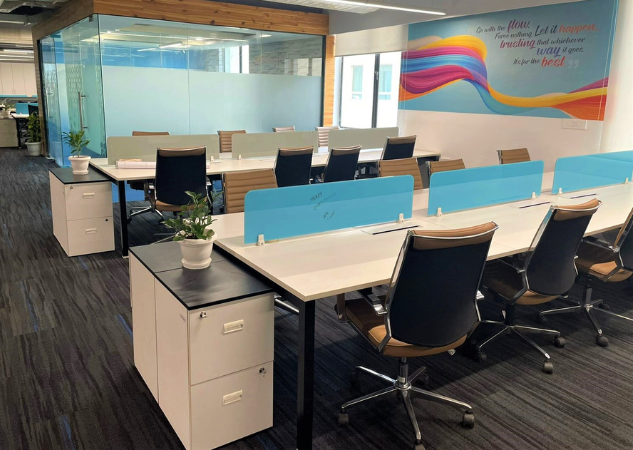
The Office Pass gurgaon
The Office Pass (TOP) Managed Office on Golf Course Road, Gurgaon

2. Use Trend Analysis in Business as a Guide

Trend analysis in business helps leaders understand where the market is going. It’s like reading a weather forecast — it tells you what might happen, not what you must do. The goal is to be prepared, not reactive.

Tip: Review trends quarterly and match them with your strategic plan.

3. Strategic Thinking Keeps Leaders Focused

Leaders who practice strategic thinking don’t get distracted easily. They take time to think about whether a trend fits their business. They ask the right questions before making decisions.

Tip: Think long-term. Will this trend still matter in 3–5 years?

Also Read:The Leadership Mindset: 5 Key Strategies to Execute Your Vision

4. Stay True with Authentic Leadership

Trends might tell you to act in a certain way — adopt a flashy new style or shift your tone — but authentic leadership is about being real. Followers trust leaders who are consistent and honest, not those who follow fads.

Tip: Lead with your values, not just what’s popular.

5. Market Trends Reveal Customer Behavior

Market trends aren’t just for businesses — they’re about people. What do your customers want? What are their habits? Understanding these shifts helps you improve your products and services — but not by changing everything at once.

Tip: Use trends to ask better questions about your customer needs.

6. The Future of Work Needs Smart Planning

Remote work, automation, AI — the future of work is here. But reacting to every headline won’t help. Leaders must focus on how to make changes that actually help their teams grow and succeed.

Tip: Focus on outcomes, not just new tools or buzzwords.

7. Innovation in Leadership Requires Thoughtfulness

Innovation is not about copying what others do. Innovation in leadership comes from understanding a trend deeply and adapting it in your own way. This helps you stand out rather than blend in.

Tip: Ask your team, “How can we use this idea in a way that fits our culture?”

8. Leadership Trends Can Be Useful Signals

From quiet quitting to hybrid teams, leadership trends show what other companies are experiencing. Use these trends as signals to reflect on your own business, not as rules to follow.

Tip: Learn from trends, but don’t let them set your leadership style.

💡 Are you looking for Coworking space in Gurgaon, Noida or Delhi? We are just a call away. Call Now:   08999 828282

9. Critical Thinking for Leaders Leads to Better Decisions

Leaders must make tough choices. Critical thinking for leaders helps you see both the risks and rewards of following a trend. It keeps you from acting too quickly or emotionally.

Tip: Always evaluate the pros, cons, and long-term effects of any trend.

10. Organizational Leadership Is About Balance

Strong organizational leadership means being flexible but grounded. It’s okay to adapt, but leaders should avoid constant change just because “everyone else is doing it.” Too much trend-following can confuse teams and harm morale.

Tip: Build a leadership culture that values consistency with thoughtful change.

Staying aware of trends is crucial for any leader, but true success comes from evaluating their relevance and aligning them with your company’s core values and long-term vision. By making informed, strategic decisions, leaders can lead their teams toward sustainable growth and innovation. The Office Pass (TOP) provides a flexible, professional workspace solution that allows leaders to focus on what truly matters—building a successful strategy and a strong team—without distractions. Embrace a smarter way to work and lead with confidence, all while enjoying the benefits of flexible co-working spaces at TOP. Contact us today at 89998 28282 for inquiries, workspace bookings, or to schedule a visit.

FREQUENTLY ASKED QUESTIONS (FAQS):

Question: Why is it important for leaders to pay attention to trends?

Answer: Leaders need to stay informed about trends to remain competitive, anticipate market changes, and adapt to evolving consumer needs, ensuring they can make informed decisions and lead their organizations effectively.

Question: What are the risks of following trends blindly?

Answer: Blindly following trends can lead to poor decision-making, misalignment with the organization’s goals, and potential financial losses. It may cause a business to pursue trends that are not sustainable or relevant to their target market.

Question: How can leaders differentiate between a trend worth following and a fleeting fad?

Answer: Leaders should evaluate trends based on long-term potential, alignment with company values and goals, and their ability to meet genuine customer needs. A solid trend has staying power and strategic relevance, whereas a fad is short-lived and often lacks solid fundamentals.

Question: Can following trends blindly lead to a loss of brand identity?

Answer: Yes, when companies chase trends without considering their core values and mission, they risk diluting their brand identity and alienating loyal customers who identify with their original vision.

Question: How can leaders assess which trends are relevant to their business?

Answer: Leaders should conduct market research, consult with industry experts, and use data analytics to determine which trends align with their business objectives. Additionally, engaging in continuous learning and networking helps identify trends that could provide a competitive advantage.

Question: What role does innovation play in not following trends blindly?

Answer: Innovation allows leaders to create new paths rather than just follow existing ones. Instead of mimicking trends, innovative leaders adapt or create their own trends based on market insights, emerging technologies, and customer desires, leading to a more unique and sustainable business approach.

Question: How do leaders balance staying ahead of trends without over-committing to them?

Answer: Successful leaders balance being trend-aware with maintaining strategic focus. They test trends through pilot projects, track results, and ensure that any new directions taken align with the company’s long-term vision.

Question: What are the consequences of ignoring trends completely?

Answer: Ignoring trends can leave leaders and organizations behind, causing them to miss opportunities for growth, competitive advantage, and customer engagement. In a fast-paced market, failure to recognize and adapt to trends can result in stagnation or irrelevance.

Question: Can leaders influence trends rather than follow them?

Answer: Yes, leaders can influence trends by leveraging their innovation, thought leadership, and market presence. They can help shape industry directions through creative solutions, strong marketing strategies, and establishing themselves as key thought leaders in their field.

Question: What are some examples of companies that successfully navigated trends without following them blindly?

Answer: Companies like Apple, Tesla, and Amazon have exemplified how to navigate trends without blindly following them. Apple, for instance, didn’t just follow mobile phone trends but redefined the smartphone industry. Tesla disrupted the electric vehicle market by creating a trend that others now follow.

BOOK A COWORKING TOUR

Why Leadership Stress Is on the Rise and How to Fight Back?

posted in: Business | 0

As leadership stress increases, burnout becomes a real concern. This blog breaks down the causes and offers solutions to help you lead with confidence while taking charge of your well-being.

💡 Are you looking for Coworking space in Gurgaon, Noida or Delhi? We are just a call away. Call Now:   08999 828282

10 Causes of Rising Leadership Stress

  1. Rising Managerial Stress
  2. Poor Work-Life Balance
  3. Constant Workplace Pressure
  4. Rapid Change Management
  5. Emotional Resilience Is Often Overlooked
  6. Decision Fatigue Is Real
  7. High Employee Expectations
  8. Lack of Corporate Wellness Programs
  9. Ongoing Organizational Stress
  10. Executive Burnout Is Increasing

1. Rising Managerial Stress

Being a leader is not just about making decisions—it’s about handling people, resources, goals, and unexpected problems all at once. This creates high levels of managerial stress, which can affect health, decision-making, and job satisfaction. Leaders today must juggle multiple tasks, often without the right support or training.

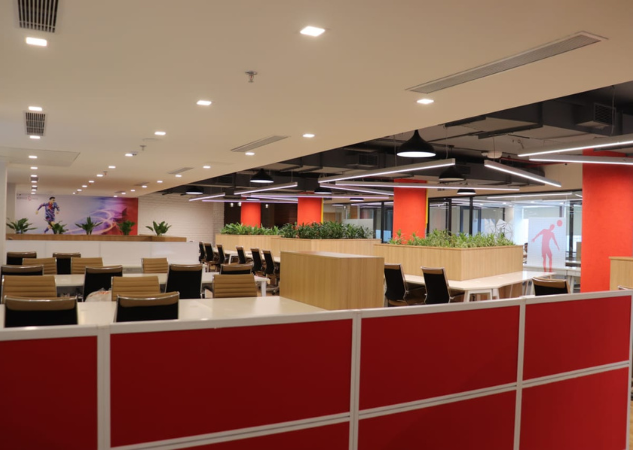
The Office Pass South Delhi
The Office Pass (TOP) Coworking Space in Delhi

2. Poor Work-Life Balance

One of the biggest causes of stress is the lack of a proper work-life balance. Leaders often feel like they have to be “on” 24/7, answering late-night emails or taking work calls on weekends. Over time, this creates burnout, damages relationships, and reduces overall productivity.

3. Constant Workplace Pressure

Leaders face daily pressure to perform, deliver results, and keep their teams motivated. This constant workplace pressure comes from higher-ups, client demands, and tight deadlines. It leads to stress-related illnesses and emotional exhaustion if not managed properly.

Also Read: The Leadership Mindset: 5 Key Strategies to Execute Your Vision

4. Rapid Change Management

Change is happening faster than ever—new technologies, market shifts, and remote work have transformed how we do business. Leaders are expected to lead through these transitions. However, not all leaders are trained in change management, making them feel unprepared and stressed.

5. Emotional Resilience Is Often Overlooked

Emotional resilience is the ability to stay strong and calm during challenges. While it’s critical for effective leadership, it’s rarely taught. Leaders who lack emotional resilience may feel overwhelmed or react emotionally, which impacts team morale and decision-making.

6. Decision Fatigue Is Real

Leaders make hundreds of choices daily, from minor tasks to major strategic decisions. This can lead to decision fatigue, where the quality of choices declines over time. When mentally exhausted, leaders are more likely to make mistakes or avoid making decisions altogether.

7. High Employee Expectations

Modern employees want inclusive, empathetic, and flexible leaders. Meeting these expectations while running operations and meeting business goals is no easy task. These high employee expectations add another layer of pressure on already-stressed leaders.

8. Lack of Corporate Wellness Programs

While many organizations promote health and wellness for general staff, few offer support specifically tailored for their leadership teams. Without corporate wellness programs—like executive coaching, mental health days, or stress-relief workshops—leaders often struggle in silence.

💡 Are you looking for Coworking space in Gurgaon, Noida or Delhi? We are just a call away. Call Now:   08999 828282

9. Ongoing Organizational Stress

Organizational stress refers to issues like restructuring, poor communication, or lack of direction that affect the entire company. Leaders are responsible for managing these problems and shielding their teams from negativity, often without managing their own stress levels.

10. Executive Burnout Is Increasing

Even top-level executives are not immune. Executive burnout is on the rise, leading to mental health breakdowns, resignations, and decreased company performance. The pressure to constantly perform, innovate, and maintain a public image becomes too much over time.

How to Fight Back: Actionable Tips

Practice Daily Stress Management: Use techniques like deep breathing, meditation, exercise, and journaling.

Set Work-Life Boundaries: Create a schedule that protects personal time.

Delegate Effectively: Trust your team and avoid micromanaging.

Invest in Emotional Resilience Training: Learn how to stay calm and focused in high-pressure situations.

Ask for Support: Use corporate wellness resources or suggest creating them if they don’t exist.

Limit Decisions: Automate small choices and focus your energy on key decisions.

Talk About Stress Openly: Build a culture where leaders and teams can talk honestly about stress.

Leadership stress is becoming increasingly prevalent, with constant pressures to perform, lead teams, and drive results in a rapidly changing work environment. But this stress doesn’t have to be inevitable. By adopting healthier work practices, setting clear boundaries, and creating a supportive, flexible work environment, leaders can combat the strain and regain control. 

One powerful solution is The Office Pass (TOP), offering flexible co-working spaces that promote productivity without the burnout. With TOP, leaders can work in a stress-free, professional environment that supports both personal well-being and professional success. Ready to tackle leadership stress?

Discover how TOP can help you lead with balance and confidence. Contact us today at 89998 28282 for inquiries, workspace bookings, or to schedule a visit.

FREQUENTLY ASKED QUESTIONS (FAQS):

Question: What is leadership stress?

Answer: Leadership stress refers to the pressure and mental strain leaders face while managing teams, making decisions, and navigating organizational challenges.

Question: Why is managerial stress increasing?

Answer: Managerial stress is rising due to higher demands, limited resources, remote work challenges, and the need to constantly adapt to change.

Question: What are the symptoms of executive burnout?

Answer: Symptoms include emotional exhaustion, lack of motivation, difficulty concentrating, and physical health issues like insomnia or fatigue.

Question: How can leaders improve their work-life balance?

Answer: By setting clear boundaries, disconnecting from work after hours, delegating tasks, and scheduling regular personal time.

Question: What is decision fatigue and how can it be reduced?

Answer: Decision fatigue happens when too many choices drain mental energy. Reduce it by planning ahead, automating small decisions, and focusing on priorities.

Question: How does emotional resilience help leaders?

Answer: It enables leaders to stay calm, make thoughtful decisions, and bounce back quickly from setbacks or criticism.

Question: Are there programs that support leadership wellness?

Answer: Yes. Corporate wellness programs often include executive coaching, mental health resources, and stress-relief activities specifically designed for leaders.

Question: How can organizations reduce organizational stress?

Answer: Improve communication, set clear goals, provide support resources, and create a positive work culture.

Question: What is the role of change management in reducing stress?

Answer: Effective change management helps leaders navigate transitions smoothly, reducing uncertainty and stress for themselves and their teams.

Question: How can leaders create a culture of stress awareness?

Answer: By encouraging open discussions about stress, modeling healthy habits, and supporting employees in managing their mental health.

BOOK A COWORKING TOUR

Work-Life Balance Is Outdated — Find True Harmony With This Approach

posted in: Business | 0

Work-life balance is outdated. In a connected world, harmony matters more—where work fuels life and life fuels work. Ready to rethink it? Let’s dive in.

💡 Are you looking for Coworking space in Gurgaon, Noida or Delhi? We are just a call away. Call Now:   08999 828282

10 Reasons Why Work-Life Balance No Longer Works

  1. Why Work-Life Balance Feels Outdated
  2. Work-Life Integration: A Smarter Approach
  3. Remote Work Gives You More Flexibility
  4. Time Management Is Your Superpower
  5. Make Healthy Choices Part of Your Routine
  6. Don’t Let Stress Build Up
  7. Flexible Work Builds Happier Teams
  8. Support Workplace Wellness
  9. Choose Mindful Productivity Over Burnout
  10. Aim for Harmony, Not Perfection

1. Why Work-Life Balance Feels Outdated

The traditional 9-to-5 model assumed people left work at the office. But today, emails, video calls, and tasks follow us home — especially with the rise of work from home jobs. Trying to keep work and life completely separate can feel like an endless juggling act.

That’s why more people are realizing: balance isn’t the answer — integration is.

The Office Pass Noida
The Office Pass (TOP) Coworking Space in Noida

2. Work-Life Integration: A Smarter Approach

Work-life integration is about blending your personal and professional lives in a way that supports both. It means you can take a midday walk, help your kids with homework, or cook a healthy lunch — while still meeting deadlines.

You control how your day flows, so both work and life feel more natural and less stressful.

3. Remote Work Gives You More Flexibility

Remote work and work from home options give employees more freedom than ever before. You can now choose where and when you work. Want to start earlier to finish early? Need a break in the afternoon? Remote work makes this possible.

This flexibility supports your wellbeing and allows for a more healthy lifestyle.

Also Read: Entrepreneurs Can Maintain A Healthy Work-Life Balance

4. Time Management Is Your Superpower

To make integration work, you need strong time management. Try these simple strategies:

  • Use a digital calendar to block time for work and personal tasks
  • Set daily goals with clear priorities
  • Avoid multitasking and focus on one thing at a time

Effective time management leads to mindful productivity, which means you get more done without feeling overwhelmed.

5. Make Healthy Choices Part of Your Routine

A healthy lifestyle fuels your body and mind. When you eat well, move your body, and sleep enough, you work better and feel better. Working from home makes it easier to cook healthy meals or take short exercise breaks.

Remember: your health is just as important as your to-do list.

6. Don’t Let Stress Build Up

Even with more flexibility, stress can creep in — especially when boundaries aren’t clear. To improve your work stress management:

  • Take regular screen breaks
  • Practice deep breathing or meditation
  • Talk to someone when you feel overwhelmed
  • Keeping stress in check boosts both your productivity and mental health.

7. Flexible Work Builds Happier Teams

Companies that offer flexible work hours or remote options tend to see better results. Why? Because employees feel trusted and empowered to do their best — in a way that works for them.

This approach also improves employee wellbeing and reduces turnover.

8. Support Workplace Wellness

Business leaders must prioritize workplace wellness by creating policies that protect employees’ physical and mental health. Wellness programs, mental health days, and open communication help create a positive culture where everyone thrives.

A healthy team is a productive team.

💡 Are you looking for Coworking space in Gurgaon, Noida or Delhi? We are just a call away. Call Now:   08999 828282

9. Choose Mindful Productivity Over Burnout

Mindful productivity means being fully present with each task — no more juggling five things at once. It helps you stay focused, reduce mistakes, and feel calmer. You don’t have to hustle 24/7 to be successful.

Work smarter, not harder.

10. Aim for Harmony, Not Perfection

Life isn’t about finding the “perfect” balance between work and home. It’s about building a life that feels right for you. True success comes from balancing life and work in a way that supports your goals, your health, and your happiness.

That’s the power of work-life integration.

True harmony doesn’t come from drawing rigid lines between work and life—it comes from creating a flow where both can coexist meaningfully. Instead of chasing balance, focus on building a routine that supports your goals, values, and well-being. That’s where flexible workspaces like The Office Pass (TOP) come in. With professionally managed neighborhood co-working spaces, TOP helps you stay productive close to home, cutting commute stress and giving you more time for what truly matters. Join the movement toward smarter, more fulfilling work. Experience the difference with The Office Pass today. Contact us today at 89998 28282 for inquiries, workspace bookings, or to schedule a visit.

FREQUENTLY ASKED QUESTIONS (FAQS):

Question: What is the difference between work-life balance and work-life integration?

Answer: Work-life balance separates work and personal time, while work-life integration blends them to create a more flexible, realistic daily routine.

Question: Why is work-life balance considered outdated?

Answer: It assumes a strict division between work and life, which is hard to maintain in today’s remote work and flexible work environment.

Question: How can I manage my time effectively while working from home?

Answer: Use time management tools like calendars, time-blocking, and to-do lists. Prioritize tasks and schedule regular breaks to stay productive.

Question: What are the benefits of remote work for work-life harmony?

Answer: Remote work allows for greater control over your schedule, reduces commuting stress, and helps improve your healthy lifestyle.

Question: How do I reduce stress while working remotely?

Answer: Take regular breaks, set clear boundaries, and use simple work stress management techniques like deep breathing or short walks.

Question: What does mindful productivity mean?

Answer: Mindful productivity means focusing on one task at a time with full attention, helping you reduce errors and avoid burnout.

Question: How does flexible work improve employee wellbeing?

Answer: Flexible work supports mental health by allowing employees to work at their best times, improving both output and employee wellbeing.

Question: Can work-life integration help prevent burnout?

Answer: Yes. It allows you to design a routine that respects both personal and professional needs, helping prevent long-term work stress.

Question: What are some tips for maintaining a healthy lifestyle while working?

Answer: Eat well, get regular exercise, sleep enough, and avoid overworking. Small healthy habits make a big difference over time.

Question: What can employers do to support workplace wellness?

Answer: They can offer workplace wellness programs, promote mental health, encourage flexible work, and provide tools for time management and self-care.

BOOK A COWORKING TOUR

From Uncertainty to Unstoppable: The Mindset Behind Building a Thriving Business

posted in: Business | 0

Starting a business is a tough journey, but mindset makes all the difference. With entrepreneurship, a growth mindset, and vision, you can thrive—even in uncertain times.

💡 Are you looking for Coworking space in Gurgaon, Noida or Delhi? We are just a call away. Call Now:   08999 828282

The 10 Core Mindsets for Building a Thriving Business

  1. Embrace the Growth Mindset
  2. Turn Uncertainty into Opportunity
  3. Build an Entrepreneurial Mindset
  4. Set a Compelling Vision
  5. Prioritize Resilience in Business
  6. Cultivate a Leadership Mindset
  7. Stay Motivated Through Business Highs and Lows
  8. Focus on Sustainable Business Growth
  9. Learn from Startup Success Stories
  10. Overcome Fear and Take Action


The Office Pass Noida
The Office Pass (TOP) Coworking Space in Noida

1. Embrace the Growth Mindset

A growth mindset—the belief that skills and intelligence can be developed—is the foundation of success in entrepreneurship. Rather than fearing failure, growth-minded entrepreneurs see every challenge as an opportunity to learn. This mindset allows business owners to innovate, pivot, and expand even when faced with setbacks.

2. Turn Uncertainty into Opportunity

Uncertainty is inevitable in the business world. Instead of resisting it, successful entrepreneurs lean into uncertainty. They understand that volatility often brings hidden opportunities. By staying adaptable and open to change, you can turn unpredictable moments into stepping stones for business growth.

3. Build an Entrepreneurial Mindset

The entrepreneurial mindset is a mix of creativity, resilience, and relentless problem-solving. It’s about spotting gaps in the market, taking calculated risks, and executing with confidence. Cultivating this mindset means staying curious, driven, and always willing to push boundaries.

Also Read: How Entrepreneurs Can Unlock Hidden Potential for Success?

4. Set a Compelling Vision

Every thriving business starts with a clear and compelling vision. This is where visionary leadership comes into play. Visionary leaders inspire their teams, attract investors, and align their actions with long-term goals. When you know where you’re going, even the hardest road becomes more manageable.

5. Prioritize Resilience in Business

Resilience in business means bouncing back from failures, rejections, and downturns. It’s the capacity to endure tough times without losing momentum. Resilient entrepreneurs don’t let temporary defeats define them—they use them to fuel their comeback story.

6. Cultivate a Leadership Mindset

To build a successful company, you must evolve from being just a founder to being a leader. A strong leadership mindset involves emotional intelligence, decision-making under pressure, and the ability to inspire others. Great leaders empower their teams and create environments where people can thrive.

7. Stay Motivated Through Business Highs and Lows

Running a business is a rollercoaster. Some days you’ll feel on top of the world; other days, you’ll question everything. That’s why business motivation is crucial. Find your “why,” celebrate small wins, and surround yourself with people who lift you up when the going gets tough.

8. Focus on Sustainable Business Growth

Business growth isn’t just about revenue—it’s about building something scalable and sustainable. This requires strategic planning, solid systems, and continuous improvement. Entrepreneurs with a growth-focused mindset always look for smarter ways to scale without sacrificing quality or integrity.

💡 Are you looking for Coworking space in Gurgaon, Noida or Delhi? We are just a call away. Call Now:   08999 828282

9. Learn from Startup Success Stories

Startup success isn’t just luck. It’s usually the result of disciplined execution, relentless learning, and strategic risk-taking. Study other successful startups, learn from their mistakes and wins, and apply those lessons to your own journey.

10. Overcome Fear and Take Action

One of the biggest roadblocks for aspiring entrepreneurs is overcoming uncertainty. Fear of failure, rejection, or the unknown can hold you back. But action is the antidote. Every small step you take builds confidence and momentum. Remember, clarity comes from doing, not just thinking.

In the journey from uncertainty to unstoppable, mindset is everything. Embracing resilience, adaptability, and a growth mindset paves the way to a thriving business. Surround yourself with the right environment and community to fuel success. That’s where The Office Pass (TOP) comes in — offering flexible coworking spaces that inspire productivity and connection. Join TOP and build your dream business in a space designed for winners. Contact TOP today at 89998 28282 to future-proof your workspace and stay ahead in the game!

FREQUENTLY ASKED QUESTIONS (FAQS):

Question: What is the most important mindset for entrepreneurs?

Answer: The most important mindset is a growth mindset, which helps entrepreneurs embrace challenges, learn from failures, and continuously improve.

Question: How can I develop an entrepreneurial mindset?

Answer: Start by being proactive, staying curious, solving problems creatively, and taking calculated risks. Surround yourself with other entrepreneurs and never stop learning.

Question: Why is resilience important in business?

Answer: Resilience in business helps you recover from setbacks, maintain motivation, and keep pushing forward during tough times—key traits for long-term success.

Question: How do I stay motivated during uncertain times?

Answer: Focus on your “why,” set small achievable goals, celebrate progress, and maintain a success mindset by visualizing positive outcomes and staying disciplined.

Question:  What’s the difference between a growth mindset and a fixed mindset?

Answer: A growth mindset believes abilities can be developed through effort and learning, while a fixed mindset believes talents are innate and unchangeable.

Question: How can visionary leadership impact my startup?

Answer: Visionary leadership helps guide your team with clarity and inspiration, aligns everyone with long-term goals, and encourages innovation and adaptability.

Question: What habits can help build a strong leadership mindset?

Answer: Daily reflection, consistent communication, emotional intelligence, and a commitment to personal growth help build a strong leadership mindset.

Question: Is it normal to feel uncertain as a new entrepreneur?

Answer: Absolutely. Overcoming uncertainty is a natural part of the entrepreneurial journey. It’s how you respond to uncertainty that defines your success.

Question: Can mindset really affect business growth?

Answer: Yes. Your mindset influences your decisions, behavior, and resilience—all of which directly impact business growth and long-term success.

Question: How do I shift from surviving to thriving in business?

Answer: Focus on mindset shifts—embrace change, invest in self-development, build strong support systems, and stay committed to your goals with passion and purpose.

BOOK A COWORKING TOUR