
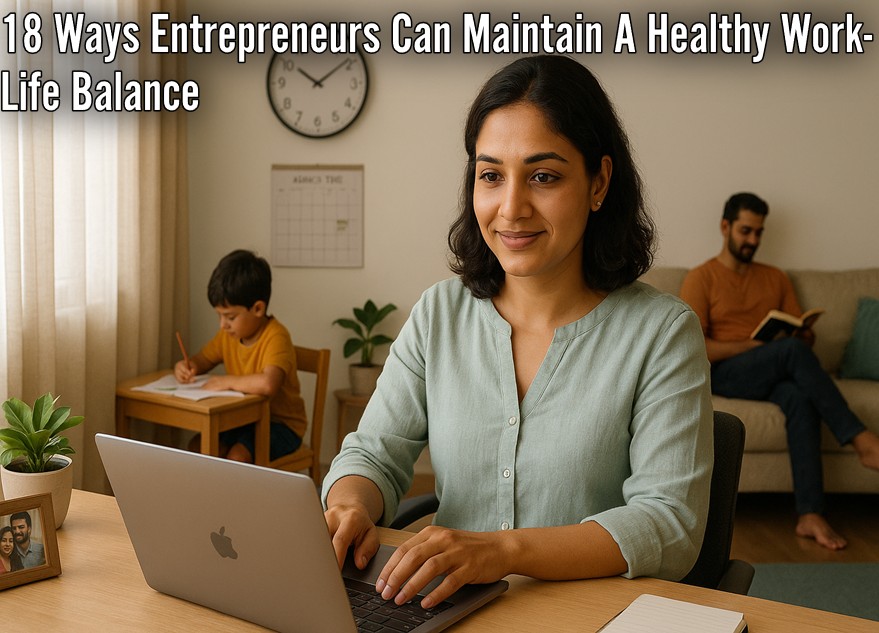
best ways entrepreneurs can Maintain a healthy work life balance

18 Ways Entrepreneurs Can Maintain A Healthy Work-Life Balance

posted in: Entrepreneur | 0

Maintaining a healthy work-life balance can be a challenge for entrepreneurs, who often juggle long hours and demanding schedules. While building a successful business requires dedication, it’s equally important to prioritize personal well-being. Striking the right balance helps prevent burnout, enhances productivity, and fosters long-term success. In this blog, we’ll explore 18 practical ways entrepreneurs can maintain a healthy work-life balance while growing their ventures. These tips will empower you to take charge of both your professional and personal life effectively.

💡 Are you looking for Coworking space in Gurgaon, Noida or Delhi? We are just a call away.
Call Now:   08999 828282

Top 18 Ways that Entrepreneurs Can Maintain A Healthy Work-Life Balance

  1. Set Clear Boundaries
  2. Prioritize Tasks
  3. Learn to Delegate
  4. Schedule Downtime
  5. Use Technology Wisely
  6. Take Regular Breaks
  7. Create a Dedicated Workspace
  8. Know When to Say No
  9. Set Realistic Goals
  10. Focus on Work-Life Integration
  11. Outsource Where Possible
  12. Practice Mindfulness
  13. Set Personal Goals
  14. Limit Screen Time After Work
  15. Plan Vacations
  16. Be Flexible
  17. Stay Connected with Loved Ones
  18. Celebrate Small Wins


The Office Pass Noida
The Office Pass (TOP) Coworking Space in Noida

1. Set Clear Boundaries

Establishing clear boundaries between work and personal time is essential for maintaining work-life balance. Without boundaries, work can easily spill over into personal time, leading to burnout. Setting specific working hours helps both you and your family know when you’re “off-duty,” giving you time to recharge and focus on personal activities.

2. Prioritize Tasks

Effective time management for entrepreneurs starts with prioritization. List tasks by importance and tackle the most critical ones first. By focusing on high-priority tasks, you can get more done in less time and still have room for personal time. This also prevents you from feeling overwhelmed by an endless to-do list.

3. Learn to Delegate

Entrepreneurs often take on too much. However, delegating tasks can make a significant difference in your entrepreneurship work-life balance. Entrust tasks to capable team members, and focus on areas where you’re most needed. Delegating frees up your time, helping you avoid burnout while boosting your team’s capabilities.

Also Read: Importance Of SME Insurance For Entrepreneurs

4. Schedule Downtime

It’s essential to schedule downtime just like any other meeting. Whether it’s an evening with family or a weekend away, prioritizing your downtime ensures that you have time to relax. For small business owners, this can prevent the common pitfall of always feeling “on,” helping to refresh your mind and body.

5. Use Technology Wisely

Smart use of technology can greatly improve work-life balance for small business owners. Use productivity tools and apps to automate time-consuming tasks, like social media scheduling or accounting, so you can focus on your most important work. Technology should make your life easier, not harder.

6. Take Regular Breaks

Taking regular breaks is essential to maintaining energy throughout the day. Working non-stop leads to fatigue and reduced productivity. Short breaks every hour can help boost productivity, creativity, and overall work performance while keeping your mind sharp.

7. Create a Dedicated Workspace

For entrepreneurs working from home, it’s crucial to have a dedicated workspace. This creates a physical separation between work and personal life. When you step out of your workspace, you signal to yourself that the workday is done, helping with maintaining work-life balance.

8. Know When to Say No

Knowing when to say no is vital for entrepreneurs. Accepting every opportunity can stretch you too thin, disrupting your work-life balance. Saying no allows you to focus on your most important tasks and avoid being overwhelmed by commitments that don’t align with your business goals.

9. Set Realistic Goals

Entrepreneurs are often ambitious, but setting realistic goals ensures that you don’t overcommit and exhaust yourself. Break large projects into smaller, manageable tasks, and celebrate small achievements along the way. This approach reduces stress and helps maintain an entrepreneur’s work-life balance.

10. Focus on Work-Life Integration

Instead of focusing solely on balance, many entrepreneurs find that work-life integration works better for them. Work-life balance tips for entrepreneurs include learning how to blend your work and personal life in a way that complements both. For instance, working from home allows for more family time, while still being productive.
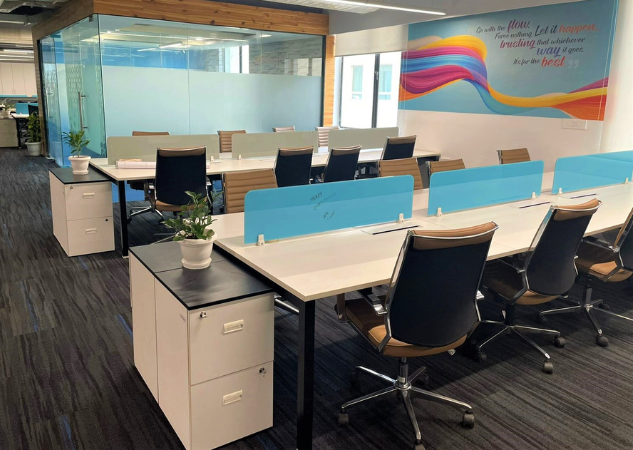
 

The Office Pass Noida
The Office Pass (TOP) Coworking Space in Noida

11. Outsource Where Possible

Outsourcing non-core tasks, such as accounting or marketing, allows entrepreneurs to focus on their strengths. This can help you avoid getting bogged down by smaller tasks, contributing to better time management for entrepreneurs. By outsourcing, you also free up personal time, maintaining a healthy work-life balance.

12. Practice Mindfulness

Practicing mindfulness or meditation can reduce stress, improve focus, and help you stay present in the moment. Mindfulness is an effective strategy for how to avoid burnout as an entrepreneur. Even dedicating 10-15 minutes a day to mindfulness exercises can help you manage stress and stay calm in challenging situations.

13. Set Personal Goals

While business goals are important, personal goals are equally necessary. Whether it’s fitness, learning a new hobby, or spending more time with loved ones, setting personal goals helps create a fulfilling life outside of work. Maintaining a balance between professional and personal achievements ensures a happier and healthier lifestyle.

14. Limit Screen Time After Work

Constantly checking emails or working late into the night can destroy your work-life balance. It’s important to disconnect after work hours. By limiting screen time in the evenings, you give your mind time to relax, helping you sleep better and recharge for the next day.

15. Plan Vacations

Taking vacations is essential to recharge your energy. Entrepreneurs often feel guilty about taking time off, but vacations prevent burnout and allow you to return to work refreshed. Regular time away from work can actually improve productivity and enhance work-life balance.

16. Be Flexible

Flexibility is a key trait for maintaining an entrepreneur’s work-life balance. Things don’t always go as planned, so having the ability to adjust your schedule and priorities as needed will help you stay on track without feeling overwhelmed by unexpected changes.

💡 SMBs looking for HR, Marketing, Technology and Funding solutions for their business.
Call Hello Jarvis  994 8000 800

17. Stay Connected with Loved Ones

It’s easy to become so focused on business that personal relationships suffer. Make time for your loved ones and nurture those relationships. Strong personal connections are essential for maintaining work-life balance for small business owners, providing emotional support and a break from work stress.

18. Celebrate Small Wins

Entrepreneurs tend to focus on big, long-term goals, but celebrating small victories along the way is just as important. Acknowledging your progress helps boost your motivation and morale, contributing to a healthier work-life balance by keeping you positive and energized.

In a nutshell, achieving a healthy entrepreneur work-life balance involves a combination of setting clear boundaries, effective time management, and focusing on both personal and professional goals. By following these 18 strategies, entrepreneurs can avoid burnout, improve productivity, and enjoy a more fulfilling personal life. The Office Pass (TOP) co-working spaces available in Delhi and NCR ensure that entrepreneurs can maintain a healthy work-life balance. TOP offers all the modern-day facilities and relaxation areas to employees, keeping them motivated throughout the day for enhanced productivity at work. Contact us for more details at 08999 828282.

FREQUENTLY ASKED QUESTIONS (FAQS):

Question: What is the best approach to maintaining a healthy work-life balance as an entrepreneur?

Answer: To maintain a healthy work-life balance, entrepreneurs should prioritize time management. Scheduling breaks, setting clear boundaries between work and personal life, and using productivity tools can help manage tasks efficiently and reduce stress.

Question: Why is time management important for entrepreneurs?

Answer: Time management is crucial for entrepreneurs because it allows them to focus on high-priority tasks while avoiding burnout. By structuring their day and setting specific time slots for work and leisure, entrepreneurs can maintain productivity without sacrificing personal time.

Question: How can entrepreneurs achieve a good work-life balance?

Answer: Entrepreneurs can achieve work-life balance by setting realistic goals, delegating tasks when possible, and creating a routine that includes personal time. Maintaining boundaries between work and personal activities helps prevent the overwhelming feeling of constant work.

Question: What are some effective work-life balance tips for entrepreneurs?

Answer: Some useful tips include setting specific work hours, taking regular breaks, unplugging from work during personal time, and focusing on time management for both work tasks and family activities. Regular exercise and self-care also contribute to better balance.

Question: What productivity tips can entrepreneurs use to balance work and life?

Answer: Entrepreneurs can use tools like to-do lists, project management apps, and time-blocking techniques to stay on track. Additionally, setting small, achievable goals each day boosts productivity without feeling overwhelmed.

Question: How can small business owners maintain work-life balance?

Answer: Small business owners can maintain a work-life balance by prioritizing tasks that matter most and learning to delegate. Building a reliable team, using time management techniques, and setting clear work boundaries help small business owners manage both business and personal life effectively.

Question: How can entrepreneurs avoid burnout?

Answer: To avoid burnout, entrepreneurs should focus on self-care, establish clear boundaries between work and personal life, and take regular breaks to recharge. Time management strategies like delegating and saying “no” to non-essential tasks also help reduce stress.

Question: What challenges do entrepreneurs face in balancing work and life?

Answer: Entrepreneurs often struggle with setting boundaries between their business and personal life, managing their time effectively, and dealing with the pressure of running a business. These challenges can lead to burnout if not addressed properly.

Question: How can entrepreneurs balance work with family time?

Answer: Entrepreneurs can balance work with family time by setting specific work hours, scheduling family time, and being fully present during those moments. Prioritizing time management for entrepreneurs ensures that both work and family get the attention they deserve.

Question: What is the role of self-care in maintaining a work-life balance for entrepreneurs?

Answer: Self-care plays a vital role in maintaining work-life balance as it helps entrepreneurs recharge both physically and mentally. Regular exercise, proper sleep, and hobbies are essential for avoiding burnout and improving overall productivity.

BOOK A COWORKING TOUR

best tips for hr leaders to adjust with ai-driven changes

How Human Resources Leaders Can Adjust to AI-Driven Changes?

posted in: Smart Hiring | 0

The rise of artificial intelligence (AI) has reshaped how businesses operate, and Human Resources (HR) departments are no exception. AI is increasingly being integrated into various HR functions, from recruitment to employee engagement. To stay competitive and efficient, HR leaders must adapt to these changes. This blog aims to highlight the key strategies for navigating AI-driven transformations in HR.

💡 Are you looking for Coworking space in Gurgaon, Noida or Delhi? We are just a call away.
Call Now:   08999 828282

10 Best Tips for Human Resources(HR) Leaders to Adjust with AI-Driven Changes

  1. Embrace AI for Recruitment
  2. Use AI for Performance Management
  3. Integrate AI in Talent Management
  4. Leverage AI for Employee Engagement
  5. Prepare for AI’s Impact on HR Roles
  6. Invest in AI-Powered HR Tools
  7. Improve Workforce Management with AI
  8. Enhance Employee Experience with AI
  9. Build a Culture of Continuous Learning
  10. Ensure Ethical Use of AI in HR
The Office Pass (TOP) Coworking Space in Delhi

1. Embrace AI for Recruitment

One of the most significant areas where AI has made an impact is recruitment. AI-powered tools can scan resumes, analyze candidate data, and even conduct initial screenings. HR leaders should use artificial intelligence in recruitment to improve hiring speed, reduce bias, and find the right talent faster.

2. Use AI for Performance Management

Performance management is evolving with the help of AI. AI tools can provide real-time feedback, track employee progress, and analyze performance metrics. By using AI in performance management, HR leaders can create a more personalized and data-driven approach to employee evaluations.

3. Integrate AI in Talent Management

AI-driven insights can help HR leaders identify high-potential employees and create personalized career development plans. AI in talent management allows for more effective succession planning and employee retention by predicting talent gaps and opportunities.

Also Read: How Data And AI Are Reshaping Contemporary HR Practices

4. Leverage AI for Employee Engagement

Employee engagement is crucial for organizational success, and AI can provide valuable insights into employee sentiments and needs. HR leaders can use AI in employee engagement to conduct surveys, analyze feedback, and predict potential issues, helping to maintain a motivated workforce.

5. Prepare for AI’s Impact on HR Roles

AI’s integration into HR is transforming traditional roles. Tasks like data entry, payroll processing, and scheduling can now be handled by AI-powered tools. As a result, HR leaders must focus more on strategic planning and decision-making to keep up with the AI impact on HR.

6. Invest in AI-Powered HR Tools

To stay ahead, HR leaders should invest in AI-powered HR tools that streamline workforce management, employee onboarding, and training processes. These tools can automate administrative tasks, allowing HR professionals to focus on higher-value activities such as employee development and organizational culture.

7. Improve Workforce Management with AI

AI for workforce management can optimize scheduling, predict staffing needs, and ensure better resource allocation. By adopting AI tools, HR leaders can manage teams more efficiently and create a better balance between operational demands and employee well-being.

8. Enhance Employee Experience with AI

AI can play a key role in enhancing the employee experience, from personalized onboarding to providing customized learning opportunities. HR leaders should explore how AI in human resources can improve the overall work experience, keeping employees engaged and satisfied.

💡 SMBs looking for HR, Marketing, Technology and Funding solutions for their business.
Call Hello Jarvis  994 8000 800

9. Build a Culture of Continuous Learning

As AI continues to evolve, HR leaders should promote a culture of continuous learning to ensure their teams are up-to-date with the latest technologies. Providing access to AI-powered learning platforms can help employees stay competitive and adaptable in the changing landscape.

10. Ensure Ethical Use of AI in HR

With AI comes the responsibility to use it ethically. HR leaders must ensure that AI systems are transparent, avoid biases, and respect employee privacy. By focusing on ethical AI usage, HR can build trust among employees and enhance organizational integrity.

To conclude, the integration of AI in HR is inevitable, but by proactively adapting and leveraging these tools, HR leaders can lead their organizations through this transformative phase effectively. Whether it’s using AI in recruitment, performance management, or employee engagement, the potential for AI to improve HR practices is immense. The Office Pass (TOP) co-working spaces available in Delhi and NCR can help HR leaders adjust to AI-driven changes. TOP offers all the modern-day facilities to run all kinds of SMEs. Contact us for more details at 08999 828282.

FREQUENTLY ASKED QUESTIONS (FAQS):

Question: What is the role of AI in human resources (HR)?

Answer: AI in human resources enhances various HR processes like recruitment, performance management, and employee engagement. It automates repetitive tasks, analyzes large amounts of data to offer insights, and helps HR teams focus on strategic initiatives. AI-powered HR tools also improve decision-making by identifying patterns that may not be visible to humans.

Question: How does AI impact recruitment in HR?

Answer: Artificial intelligence in recruitment helps streamline the hiring process by automating resume screening, matching candidates with job descriptions, and even conducting initial interviews. AI can analyze candidates’ skills and experiences more efficiently than humans, leading to faster and potentially less biased hiring decisions.

Question: Can AI improve performance management?

Answer: Yes, AI in performance management uses data to track employee performance, analyze trends, and predict future behaviors. AI tools can also identify areas where employees need development and provide personalized recommendations. This results in a more data-driven approach to managing talent and aligning performance with company goals.

Question: How can HR leaders leverage AI in talent management?

Answer: AI in talent management assists in identifying high-potential employees, predicting career progression, and suggesting personalized learning opportunities. AI tools analyze performance data and help HR teams manage succession planning more effectively, ensuring the right talent is in the right place at the right time.

Question: What role does AI play in employee engagement?

Answer: AI in employee engagement involves monitoring sentiment and feedback in real time through surveys and communication channels. By analyzing employee interactions and engagement data, AI tools can offer actionable insights on how to improve workplace culture and employee satisfaction, leading to higher retention rates.

Question: How will AI impact the role of HR leaders?

Answer: The impact of AI on HR will shift leaders from focusing on administrative tasks to becoming strategic partners. AI will take over routine work, allowing HR leaders to concentrate on workforce planning, employee development, and other high-value initiatives. They’ll need to upskill in data analysis to fully utilize AI-driven insights.

Question: What are some AI-powered HR tools HR leaders should know about?

Answer: AI-powered HR tools include platforms for recruitment automation (like HireVue or Pymetrics), performance management (like Betterworks or Lattice), and employee engagement (like Glint or Qualtrics). These tools use AI to optimize HR processes, improve employee experiences, and provide real-time insights for better decision-making.

Question: How does AI benefit workforce management in HR?

Answer: AI for workforce management helps optimize scheduling, forecast workforce needs, and reduce absenteeism. By analyzing historical data, AI tools can predict staffing levels and ensure optimal coverage, improving efficiency and reducing costs. These tools also help HR leaders manage diverse and remote teams more effectively.

Question: Will AI replace human roles in HR?

Answer: AI will not replace human roles but will augment them. While AI can handle data-driven tasks, human intuition and empathy are still crucial in areas like conflict resolution, culture building, and leadership. HR leaders will work alongside AI to enhance decision-making, leaving them free to focus on more complex, people-oriented challenges.

Question: How can HR leaders prepare for AI-driven changes in the workplace?

Answer: HR leaders can adjust to AI-driven changes by upskilling in data analysis, embracing AI-powered tools, and fostering a culture of continuous learning within their teams. Staying informed about emerging AI trends in HR, understanding their applications, and promoting collaboration between humans and AI will help HR professionals thrive in the AI-driven future.

BOOK A COWORKING TOUR

AI-Powered Cyberattacks: How SMEs Can Prepare And Defend

AI-powered cyberattacks are rapidly becoming a significant threat, especially for small and medium-sized enterprises (SMEs) that often lack the resources of larger corporations. As cyber criminals increasingly employ sophisticated artificial intelligence tools, traditional defense mechanisms can fall short. SMEs must recognize these evolving threats and adapt their cybersecurity strategies accordingly. This article will explore how AI-powered cyberattacks impact SMEs and offer practical steps to help small businesses prepare and defend themselves.

💡 Are you looking for Coworking space in Gurgaon, Noida or Delhi? We are just a call away.
Call Now:   08999 828282

11 Best Insights on How SMEs Can Prepare And Defend AI-Powered Cyberattacks

  1. Understanding AI-Powered Cyberattacks
  2. Why Are SMEs Targeted
  3. Common Types of AI-Powered Cyberattacks
  4. Importance of SME Cybersecurity Solutions
  5. Conduct Regular Risk Assessments
  6. Implement AI-Powered Defenses
  7. Educate and Train Employees
  8. Use Multi-Factor Authentication (MFA)
  9. Backup Data Regularly
  10. Stay Informed About Cybersecurity Trends
  11. Develop a Response Plan
The Office Pass (TOP) Coworking Space in Noida

1. Understanding AI-Powered Cyberattacks

AI-powered cyberattacks use machine learning and automation to target weaknesses in networks. These attacks are faster and harder to detect because AI can adapt quickly, identifying vulnerabilities without the need for human intervention. For SMEs, this means traditional cybersecurity measures may no longer be enough.

2. Why Are SMEs Targeted

Cybercriminals often see SMEs as easier targets compared to large corporations. Small business cybersecurity measures are usually less advanced, and they may not have dedicated IT security teams, making them more vulnerable to cyberattacks. Many AI-powered attacks exploit this lack of advanced protection.

3. Common Types of AI-Powered Cyberattacks

AI can enhance various types of cyberattacks that are commonly seen today. For instance, AI can craft highly personalized phishing emails that trick employees into revealing sensitive information. It can also create sophisticated malware that adapts to evade detection, making it harder for traditional security measures to stop. Additionally, AI-driven ransomware can spread more quickly and effectively, identifying key systems to encrypt, causing significant disruptions to a business’s operations.

Also Read: How SMEs can Turn Cybersecurity Risk into Opportunity?

4. Importance of SME Cybersecurity Solutions

Given the rising threat of AI-powered cyberattacks, SMEs must adopt advanced cybersecurity solutions. Investing in SME cybersecurity solutions tailored to the needs of small businesses can help protect data, systems, and customers.

5. Conduct Regular Risk Assessments

One key strategy for preparing against AI-powered cyberattacks is conducting regular risk assessments. This helps SMEs identify their vulnerabilities and implement the right security measures before cybercriminals can exploit them.

6. Implement AI-Powered Defenses

Just as AI is being used for attacks, it can also be used to defend against them. Small businesses can implement AI-powered cybersecurity solutions that detect suspicious activity in real-time and respond instantly. These solutions can adapt and evolve to new threats.

7. Educate and Train Employees

Human error is often a significant factor in successful cyberattacks. SMEs should regularly train their employees on cybersecurity best practices, including recognizing phishing emails and understanding the importance of password security.

8. Use Multi-Factor Authentication (MFA)

Multi-factor authentication adds an extra layer of security by requiring employees to verify their identity using multiple methods. This can significantly reduce the risk of unauthorized access, even if passwords are compromised.

9. Backup Data Regularly

Backing up critical data ensures that even if a cyberattack occurs, SMEs can recover without paying a ransom or suffering long-term damage. Regular backups are crucial in the fight against ransomware and other attacks.

💡 SMBs looking for HR, Marketing, Technology and Funding solutions for their business.
Call Hello Jarvis  994 8000 800

10. Stay Informed About Cybersecurity Trends

The cybersecurity landscape is constantly evolving, especially with AI-powered cyberattacks. SMEs should stay up to date with the latest trends, threats, and best practices in small business cybersecurity. Partnering with cybersecurity experts or consultants can also be a valuable investment.

11. Develop a Response Plan

Every SME should have a detailed response plan in place for cyberattacks. This plan should outline the steps to take in the event of a breach, including isolating affected systems, notifying stakeholders, and recovering data.

To sum up, by implementing SME cybersecurity solutions, educating employees, and staying informed, small businesses can effectively defend themselves against these advanced threats. Preparedness is key in ensuring that your business can continue to thrive in an increasingly digital and connected world. You too can save your SME from AI-powered cyberattacks by setting up at the safe and advanced The Office Pass (TOP) coworking spaces located in prime spots in Delhi and NCR. TOP boasts to offer all the latest technologies needed to run a startup or an established business. Contact us for more details at 08999 828282.

FREQUENTLY ASKED QUESTIONS (FAQS):

Question: What are AI-powered cyberattacks?

Answer: AI-powered cyberattacks are malicious activities that leverage artificial intelligence (AI) to carry out sophisticated attacks. These attacks use AI to learn system vulnerabilities, automate malicious tasks, and bypass traditional security measures, posing a significant threat to small business cybersecurity.

Question: Why are SMEs particularly vulnerable to AI-powered cyberattacks?

Answer: SMEs often have limited resources and smaller cybersecurity teams compared to large corporations. This makes it easier for cybercriminals to exploit their defenses. Without proper SME cybersecurity solutions, small businesses are at risk of falling victim to increasingly advanced cyberattacks, including AI-driven ones.

Question: What are the potential impacts of AI-powered cyberattacks on small businesses?

Answer: AI-powered cyberattacks can lead to data breaches, financial loss, reputation damage, and disruption of operations. Small businesses may struggle to recover from such incidents due to limited resources, making it crucial for them to invest in small business cybersecurity solutions.

Question: How can SMEs prepare for AI-powered cyberattacks?

Answer: SMEs can prepare by strengthening their cybersecurity measures, including adopting AI-based security tools, training employees on security best practices, and implementing regular system updates. Staying proactive with SME cybersecurity solutions is key to minimizing risks.

Question: What are some common types of AI-powered cyberattacks?

Answer: Common AI-powered cyberattacks include phishing scams, malware distribution, automated hacking attempts, and data manipulation. Cybercriminals use AI to enhance the speed, precision, and scale of these attacks, making traditional cybersecurity methods less effective.

Question: Can AI also help SMEs defend against AI-powered cyberattacks?

Answer: Yes, AI can be a powerful tool for defending against cyberattacks. AI-driven cybersecurity solutions can detect threats in real time, analyze data patterns, and respond to potential breaches faster than human teams. Implementing AI in small business cybersecurity is essential for staying ahead of attackers.

Question: What are the best SME cybersecurity solutions for combating AI-powered attacks?

Answer: Some of the best SME cybersecurity solutions include AI-based threat detection software, firewalls, multi-factor authentication (MFA), endpoint security tools, and regular data backups. Combining these measures provides a layered defense against AI-powered cyberattacks.

Question: How can SMEs ensure their cybersecurity policies are effective against AI-driven threats?

Answer: SMEs should regularly review and update their cybersecurity policies to address emerging AI-driven threats. Conducting risk assessments, simulating cyberattacks, and updating incident response plans are critical steps to ensure preparedness for AI-powered cyberattacks.

Question: What role does employee training play in protecting SMEs from AI-powered cyberattacks?

Answer: Employee training is crucial in minimizing human error, which is often a target in cyberattacks. Educating staff on identifying phishing emails, avoiding unsafe websites, and using secure passwords can help defend against AI-powered cyberattacks.

Question: Is cybersecurity insurance necessary for SMEs in the age of AI-powered cyberattacks?

Answer: Yes, cybersecurity insurance can provide financial protection in the event of a data breach or cyberattack. While it doesn’t replace proactive cybersecurity measures, it’s an important safety net for SMEs facing the growing risk of AI-powered cyberattacks.

BOOK A COWORKING TOUR

coworking filled with founders past or future

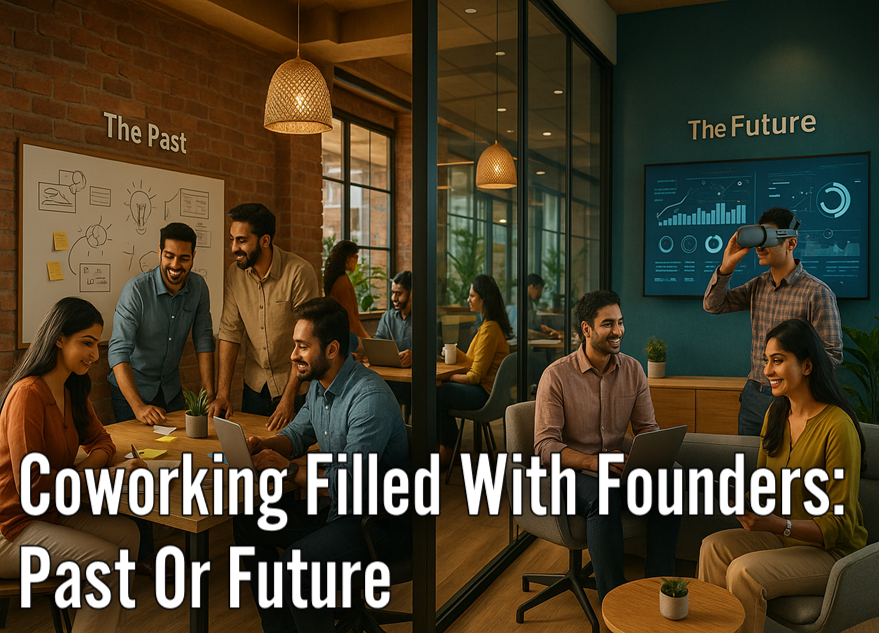
Coworking Filled With Founders: Past Or Future

posted in: Coworking | 0

Coworking spaces have evolved from a novel concept to a dynamic hub filled with founders and entrepreneurs. These shared environments foster collaboration, creativity, and networking, making them a breeding ground for innovative ideas and startups. As we look to the future, the role of coworking spaces filled with founders seems poised to grow, reflecting changing work trends and business needs. This blog explores whether the trend of coworking with founders is a fleeting past or a defining feature of the future workspace. Discover how these spaces are shaping the entrepreneurial landscape and what it means for the future of work through this blog.

💡 Are you looking for Coworking space in Gurgaon, Noida or Delhi? We are just a call away.
Call Now:   08999 828282

10 Key Insights on The Past or Future of Coworking Spaces Filled with Founders

  1. The Origins of Coworking Spaces
  2. Coworking Spaces for Startups
  3. The Evolution of Coworking Spaces
  4. The Role of Entrepreneurs in Coworking Spaces
  5. Coworking Trends in 2024
  6. The Future of Coworking Spaces
  7. Coworking Spaces for Entrepreneurs in the Future
  8. The Future of Coworking Space Designs
  9. The Past of Coworking Space vs. The Future
  10. The Impact of Coworking on Business Success


The Office Pass Gurgaon
The Office Pass (TOP) Managed Office on Golf Course Road, Gurgaon

1. The Origins of Coworking Spaces

Coworking spaces began as a solution for founders, freelancers and small teams who needed affordable and flexible workspaces. These spaces provided more than just a desk—they offered a community, networking opportunities, and a break from the isolation of working from home.

2. Coworking Spaces for Startups

Startups have always been drawn to coworking spaces for several reasons. They offer a cost-effective alternative to traditional office leases, which is essential for businesses in their early stages. Additionally, the collaborative environment fosters innovation and growth.

3. The Evolution of Coworking Spaces

Over time, coworking spaces have evolved to cater specifically to the needs of startups and entrepreneurs. They’ve expanded from offering just shared desks to providing private offices, meeting rooms, and even event spaces, creating a more comprehensive ecosystem for growing businesses.

Also Read: The Importance of Location While Choosing A Coworking Space

4. The Role of Entrepreneurs in Coworking Spaces

Entrepreneurs find coworking spaces particularly beneficial. These spaces offer access to a network of like-minded individuals, potential clients, and partners, which can be invaluable for business growth. The community aspect of coworking spaces is often cited as one of the key benefits by entrepreneurs.

5. Coworking Trends in 2024

As we move into 2024, several trends are shaping the future of coworking spaces. These include a focus on sustainability, hybrid work models, and the integration of advanced technology to create smarter workspaces.

6. The Future of Coworking Spaces

The future of coworking spaces looks promising. With the rise of remote work and the increasing number of startups, demand for flexible, shared workspaces is expected to grow. Coworking spaces will continue to adapt, offering more specialized services and amenities to meet the changing needs of their members.

7. Coworking Spaces for Entrepreneurs in the Future

Entrepreneurs will continue to benefit from coworking spaces, especially as these spaces evolve to offer more tailored resources. Expect to see coworking spaces providing more mentorship programs, access to venture capital, and other resources that are crucial for entrepreneurial success.

8. The Future of Coworking Space Designs

Design is another area where coworking spaces are expected to innovate. Future spaces will likely focus on creating environments that foster creativity and collaboration while also supporting the well-being of their members. Expect more natural light, ergonomic furniture, and wellness-focused amenities.

💡 SMBs looking for HR, Marketing, Technology and Funding solutions for their business.
Call Hello Jarvis  994 8000 800

9. The Past of Coworking Space vs. The Future

Looking back, coworking spaces were simple, functional, and community-driven. Moving forward, they will become more sophisticated, integrating technology and services that cater to the diverse needs of startups and entrepreneurs. The essence of community will remain, but the tools and environments will be more advanced.

10. The Impact of Coworking on Business Success

Finally, it’s important to note that coworking spaces are behind the success of many startups. By providing affordable, flexible workspaces and a supportive community, they have allowed countless businesses to thrive. As we look to the future, coworking spaces will continue to play a crucial role in helping startups and entrepreneurs succeed.

In a nutshell, coworking spaces have been a cornerstone for startups and entrepreneurs, and they will continue to be so in the future. Whether you’re a founder looking for a collaborative environment or an entrepreneur seeking a network of peers, coworking spaces are more than just a trend—they’re a foundation for business success. The Office Pass (TOP) co-working spaces available in Delhi and NCR are seen as highly productive. TOP offers all the modern-day facilities and relaxation areas to employees, keeping them motivated throughout the day for enhanced productivity at work. Contact us for more details at 08999 828282.

FREQUENTLY ASKED QUESTIONS (FAQS):

Question: What are coworking spaces for startups?

Answer: Coworking spaces for startups are shared workspaces where new businesses can work alongside other entrepreneurs. These spaces offer flexibility, cost savings, and a collaborative environment ideal for startup growth.

Question: How has the past of coworking space influenced its future?

Answer: The past of coworking spaces shows a shift from traditional offices to flexible, shared environments. This trend has paved the way for a future where coworking becomes a key part of how businesses operate, especially for startups and entrepreneurs.

Question: What is the future of coworking spaces?

Answer: The future of coworking spaces looks promising, with more businesses, especially startups and entrepreneurs, embracing these flexible work environments. Innovations and trends in coworking spaces will likely focus on technology integration, sustainability, and community-building.

Question: Why are coworking spaces popular among entrepreneurs?

Answer: Coworking spaces for entrepreneurs provide networking opportunities, flexible leases, and a vibrant community. These factors make them ideal for entrepreneurs looking to grow their businesses in a supportive environment.

Question: What are the coworking trends for 2024?

Answer: Coworking trends in 2024 may include more niche-specific spaces, increased use of technology for remote work, and a focus on wellness and sustainability in the workplace.

Question: How will the future of coworking spaces affect startups?

Answer: The future of coworking spaces will offer startups more tailored environments, access to new technologies, and greater opportunities for collaboration, helping them scale more efficiently.

Question: Are coworking spaces still relevant for startups?

Answer: Yes, coworking spaces are highly relevant for startups. They offer cost-effective solutions, networking opportunities, and a dynamic work environment that fosters innovation.

Question: How is the coworking space future evolving?

Answer: The coworking space future is evolving to meet the needs of a diverse workforce. Expect to see more specialized spaces, flexible membership options, and enhanced digital services to support remote and hybrid work models.

Question: What are the benefits of coworking spaces for entrepreneurs?

Answer: Entrepreneurs benefit from coworking spaces by gaining access to a professional work environment, networking opportunities, and the ability to scale their workspace as their business grows.

Question: What does the future hold for coworking spaces?

Answer: The future of coworking spaces will likely see continued growth and innovation, with a focus on creating environments that support the evolving needs of startups, entrepreneurs, and remote workers.

BOOK A COWORKING TOUR