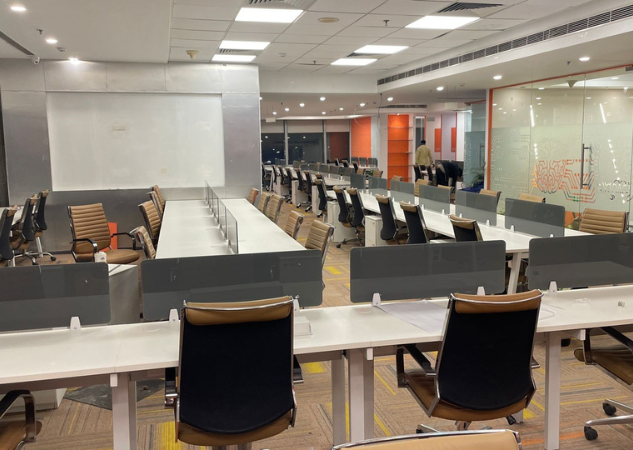


how does hybrid working attract and retain top talent

How Does Hybrid Working Attract and Retain Top Talent?

posted in: Small Business | 0

Hybrid working, which combines remote work with in-office work, has gained significant traction due to its flexibility and potential benefits for both employees and employers. With so much flexibility being offered in a hybrid mode of working, employees these days prefer searching for jobs in a hybrid mode. Continue reading to learn how hybrid working can attract and retain top talent.

💡 Are you looking for Coworking space in Gurgaon, Noida or Delhi? We are just a call away.
Call Now:   08999 828282

7 Top Reasons Why Hybrid Working Attract and Retain Top Talent?

  1. Flexibility
  2. Increased Productivity
  3. Expanded Talent Pool
  4. Cost Savings
  5. Employee Well-being
  6. Customization
  7. Retention of Existing Talent
Suraasa Team
The Office Pass (TOP) Coworking Space in Gurgaon

1. Flexibility

To begin with hybrid working offers employees the flexibility to choose where they work, allowing them to better balance their work and personal lives. This flexibility is highly attractive to top talent who value autonomy and work-life balance.

2. Increased Productivity

Many studies have shown that remote work can lead to increased employee productivity due to reduced distractions and time saved from commuting. By allowing employees to work remotely part of the time, hybrid working can attract top talent by offering an environment where they can focus and deliver high-quality work.

3. Expanded Talent Pool

With hybrid working, companies can access a broader talent pool beyond their geographic location. This allows them to attract top talent regardless of their physical location, leading to a more diverse and skilled workforce.

4. Cost Savings

Hybrid working can lead to cost savings for both employees and employers. Employees save money on commuting and expenses associated with working in an office, while employers can reduce overhead costs associated with maintaining office space. These cost savings can attract top talent-seeking employers who prioritize financial stability and efficiency.

💡 SMBs looking for HR, Marketing, Technology and Funding solutions for their business.
Call Hello Jarvis  994 8000 800

5. Employee Well-being

Hybrid working can contribute to improved employee well-being by reducing stress associated with commuting and providing a more flexible work environment. By prioritizing employee well-being, companies can attract and retain top talent who value a supportive and healthy workplace culture.

6. Customization

Hybrid working allows employees to tailor their work environment to suit their individual preferences and needs. This customization can contribute to higher job satisfaction and retention rates among top talent who value personalized work arrangements.

7. Retention of Existing Talent

Offering hybrid working options can also help retain existing top talent by providing them with the flexibility they desire while remaining with the company. This can result in lower turnover rates and greater continuity within the organization.

To sum it up, hybrid working can attract and retain top talent by offering flexibility, increasing productivity, expanding the talent pool, reducing costs, prioritizing employee well-being, providing customization, and retaining existing talent. By embracing hybrid working arrangements, companies can position themselves as attractive employers in today’s competitive job market.

The Office Pass (TOP) co-working spaces available in Delhi and NCR can be the perfect choice to set up an office with a hybrid working mode. TOP offers all the facilities that these entrepreneurs would look for to run a successful business all under one roof at cost-effective pricing. Contact us for more details at 08999 828282.

FREQUENTLY ASKED QUESTIONS (FAQS):

Question: What is hybrid working?

Answer: Hybrid working refers to a work arrangement where employees can work remotely and work in a physical office.

Question: How does hybrid working attract top talent?

Answer: Hybrid working offers flexibility, allowing employees to balance work and personal life. This flexible working medium is highly appealing to top talent seeking work-life balance.

Question: What are the benefits of hybrid working for employees?

Answer: Hybrid working offers numerous benefits to employees. They can save time and money on commuting. Moreover, they can enjoy a more comfortable work environment at home and have greater autonomy over their work schedule.

Question: How does hybrid working retain top talent?

Answer: Hybrid working helps retain employees who might otherwise seek opportunities elsewhere for more flexible work arrangements. This is because it provides them the flexibility to accommodate their preferred working arrangement.

Question: What challenges does hybrid working pose for employers?

Answer: Employers may face difficulties in maintaining team cohesion, communication, and productivity in a hybrid environment. They also need to invest in technology and policies to support remote work effectively.

Question: How can employers overcome challenges in hybrid working?

Answer: Employers can overcome challenges in hybrid working by implementing robust communication tools, establishing clear policies and expectations, providing training on remote work best practices, and fostering a culture of trust and accountability.

Question: What role does technology play in supporting hybrid working?

Answer: Technology enables seamless collaboration, communication, and access to resources regardless of location. Employers need to invest in reliable technology infrastructure and tools to support remote and hybrid work arrangements.

Question: What impact does hybrid working have on company culture?

Answer: Hybrid working can promote a more inclusive culture by accommodating diverse working preferences and lifestyles. However, it also requires intentional efforts to maintain team cohesion and foster a sense of belonging among remote and in-office employees.

Question: How does hybrid working contribute to employee satisfaction?

Answer: Hybrid working allows employees to have more control over their work environment and schedule, leading to higher satisfaction levels and potentially increased morale and productivity.

Question: What strategies can employers use to successfully implement hybrid working?

Answer: Employers can implement hybrid working by implementing strategies like involving employees in the decision-making process and providing adequate support and resources for remote work. They can also establish clear communication channels, and regularly evaluate and adjust their hybrid working policies based on feedback and evolving needs.

BOOK A COWORKING TOUR

how to navigate cultural differences as a global hr professional

How to Navigate Cultural Differences As a Global HR Professional?

posted in: Smart Hiring | 0

Human Resources is an essential part of any organization, and the importance manifolds, in the case of a global HR professional. Navigating cultural differences as a global HR professional requires a combination of sensitivity, awareness, and effective communication skills. Continue reading to understand an in-depth guide on how to navigate these cultural differences as a global HR professional.

💡 Are you looking for Coworking space in Gurgaon, Noida or Delhi? We are just a call away.
Call Now:   08999 828282

10 Best strategies for navigating cultural differences As a Global HR Professional

  1. Educate Yourself
  2. Give Respect and Empathy
  3. Effective Communication
  4. Cultural Sensitivity Training
  5. Adapt HR Policies
  6. Cross-Cultural Team Building
  7. Seek Feedback
  8. Lead by Example
  9. Stay Informed
  10. Collaborate with Local Experts


Co-Working Spaces: Why it makes sense beyond the obvious reasons
The Office Pass (TOP) Coworking Space in South Delhi

1. Educate Yourself

Start by educating yourself about the cultures of the regions where your company operates. Understand cultural norms, values, communication styles, and business practices. This will help you anticipate potential issues and adapt your HR strategies accordingly.

2. Give Respect and Empathy

Show respect and empathy towards employees from different cultural backgrounds. Acknowledge and appreciate cultural differences rather than judging them. This will help build trust and rapport with employees from diverse backgrounds.

3. Effective Communication

Be mindful of language barriers and communication styles. Use simple and clear language, and avoid idioms or slang that may not translate well across cultures. Encourage open and transparent communication, and be willing to listen actively to understand different perspectives.

4. Cultural Sensitivity Training

Provide cultural sensitivity training to employees, especially those in managerial positions. Help them understand how cultural differences can impact workplace dynamics and how to effectively manage diverse teams.

5. Adapt HR Policies

Adapt HR policies and practices to accommodate cultural differences while still maintaining alignment with the company’s values and objectives. For example, consider flexible work arrangements to accommodate religious holidays or cultural celebrations.

💡 SMBs looking for HR, Marketing, Technology and Funding solutions for their business.
Call Hello Jarvis  994 8000 800

6. Cross-Cultural Team Building

Encourage cross-cultural team building activities to foster understanding and collaboration among employees from different backgrounds. This could include cultural exchange events, team-building exercises, or diversity training workshops.

7. Seek Feedback

Regularly seek feedback from employees about their experiences with HR policies and practices. Use this feedback to identify areas for improvement and make necessary adjustments to better accommodate cultural differences.

Also Read: Role of HR in Mental Health and Well-being at Work

8. Lead by Example

As an HR professional, lead by example by demonstrating cultural sensitivity and inclusivity in your own behavior and interactions. This will set a positive tone for the rest of the organization to follow.

9. Stay Informed

Stay informed about global trends and developments in HR practices related to diversity, equity, and inclusion. Continuously update your knowledge and skills to effectively navigate cultural differences in the workplace.

10. Collaborate with Local Experts

Collaborate with local experts or consultants who have a deep understanding of the cultural nuances in specific regions. Their insights can be invaluable in tailoring HR strategies to the local context.

To conclude, we hope you learned the best strategies through which global HR professionals can effectively navigate cultural differences in the workplace and create a more inclusive and harmonious work environment.

Setting up your office at The Office Pass (TOP) co-working spaces available in Delhi and NCR can help you further in navigating the cultural differences as a global HR professional. TOP offers all the latest state-of-the-art facilities all under one roof at cost-effective pricing. Contact us for more details at 08999 828282.

FREQUENTLY ASKED QUESTIONS (FAQS):

Question: How can global HR professionals navigate cultural differences effectively?

Answer: Global HR professionals can navigate cultural differences effectively by first educating themselves about the cultures they will be working with. This includes understanding cultural norms, values, communication styles, and business etiquette.

Question: Why is it important for HR professionals to be culturally sensitive?

Answer: Cultural sensitivity is crucial for HR professionals because it helps them build trust and rapport with employees from diverse backgrounds. It also ensures that HR practices and policies are inclusive and respectful of different cultural perspectives.

Question: What strategies can HR professionals use to address cultural differences in the workplace?

Answer: HR professionals can implement strategies such as cross-cultural training programs, mentorship initiatives, and creating a culturally inclusive work environment. They can also encourage open communication and provide resources for employees to learn about different cultures.

Question: How can HR professionals promote diversity and inclusion in multinational companies?

Answer: HR professionals can promote diversity and inclusion by implementing policies that value and celebrate diversity, ensuring diverse representation in recruitment and leadership positions, and fostering a culture of inclusion where all employees feel valued and respected.

Question: What challenges might HR professionals face when working with employees from different cultural backgrounds?

Answer: Some challenges HR professionals might face include language barriers, miscommunication due to cultural differences, differing expectations regarding work practices and norms, and navigating conflicting cultural values or beliefs.

Question: How can HR professionals overcome language barriers in a multicultural workplace?

Answer: HR professionals can overcome language barriers by providing language training programs, using interpreters or translation services when necessary, and encouraging the use of common languages such as English as a lingua franca for communication.

Question: How can HR professionals foster cultural competence among employees?

Answer: HR professionals can foster cultural competence among employees by organizing cultural awareness workshops, promoting cross-cultural collaboration and teamwork, and providing opportunities for employees to engage with different cultures both within and outside the workplace.

Question: What role does empathy play in navigating cultural differences as an HR professional?

Answer: Empathy is essential for HR professionals when navigating cultural differences as it allows them to understand and appreciate the perspectives and experiences of employees from diverse backgrounds. It enables HR professionals to build trust and create a supportive work environment for all employees.

Question: How can HR professionals address conflicts arising from cultural differences in the workplace?

Answer: HR professionals can address conflicts arising from cultural differences by facilitating open and respectful communication between parties. Besides, they can provide mediation or conflict resolution services, and promote a culture of understanding and empathy.

Question: What resources are available for HR professionals to learn more about navigating cultural differences?

Answer: HR professionals can access resources such as cultural competency training programs, online courses, books, and articles on cross-cultural communication and management.

BOOK A COWORKING TOUR

top communication strategies to improve employee retention

Top 5 Communication Strategies to Improve Employee Retention

posted in: Smart Hiring | 0

Do you know it is easier to hire employees than to retain them in your organization? Improving employee retention requires effective communication strategies that foster engagement, satisfaction, and a sense of belonging within the organization. This post aims to acquaint you with five strategies to achieve satisfactory employee retention, so stay tuned and read on!

💡 Are you looking for Coworking space in Gurgaon, Noida or Delhi? We are just a call away.
Call Now:   08999 828282

Top 5 Communication Strategies to Improve Employee Retention

  1. Transparent Communication
  2. Feedback and Recognition
  3. Professional Development Opportunities
  4. Promote a Culture of Belonging
  5. Support Work-Life Balance


Fun Activities in Coworking Space
The Office Pass (TOP) Coworking Space in Noida

1. Transparent Communication

It is important to build a culture of transparency within the office, where information about company goals, performance, and changes are openly shared with employees. Remember that transparent communication builds trust and helps employees feel valued and involved in the decision-making process. For this, regularly update employees on company developments, challenges, and successes through meetings, emails, newsletters, and other communication channels.

2. Feedback and Recognition

Secondly, we advise you to implement a feedback mechanism to encourage open dialogue between managers and employees. Remember that regular performance reviews, one-on-one meetings, and anonymous feedback surveys provide opportunities for employees to share their concerns, suggestions, and aspirations. Apart from this, recognize and reward employees for their contributions and achievements. This sense of appreciation will motivate them to stay committed to the organization.

3. Professional Development Opportunities

At the same time, communicate the organization’s commitment to employee growth and development by offering training programs, workshops, mentorship opportunities, and career advancement paths. Clearly outline the skills and competencies required for career progression within the company. Demonstrating a commitment to employee development enhances job satisfaction and encourages employees to stay loyal to the organization.

💡 SMBs looking for HR, Marketing, Technology and Funding solutions for their business.
Call Hello Jarvis  994 8000 800

4. Promote a Culture of Belonging

Encourage a culture of inclusivity, diversity, and belonging within the organization by promoting respect, empathy, and understanding among employees. Communicate the organization’s commitment to diversity and inclusion through policies, initiatives, and training programs. Always encourage open discussions about diversity-related topics and provide resources for employees to educate themselves and engage in meaningful conversations. Celebrate cultural holidays, events, and achievements to create a sense of belonging for all employees.

5. Support Work-Life Balance

Most importantly, promote a healthy work-life balance by encouraging flexible work arrangements, providing resources for stress management and mental health support, and offering wellness programs. Also, communicate the importance of prioritizing well-being and encourage employees to take breaks, vacations, and personal time off. Create a positive work environment where employees feel comfortable discussing their work-life balance needs and concerns openly.

To conclude, by implementing these communication strategies, organizations can effectively improve employee retention by fostering a positive work environment where employees feel valued, supported, and motivated to stay committed to their roles and the organization’s goals.

The Office Pass (TOP) co-working spaces available in Delhi and NCR can provide an ideal working environment to your employees, thereby retaining them in your organization for long in a fruitful manner. TOP offers all the facilities that these entrepreneurs would look for to run a successful business all under one roof at cost-effective pricing. Contact us for more details at 08999 828282.

FREQUENTLY ASKED QUESTIONS (FAQS):

Question: What is the importance of communication strategies in employee retention?

Answer: Effective communication encourages a sense of belonging and keeps employees engaged, reducing turnover.

Question: How can regular feedback sessions contribute to employee retention?

Answer: Regular feedback sessions provide clarity on performance expectations, growth opportunities, and recognition, boosting morale and retention.

Question: What role does transparent communication play in retaining employees?

Answer: Transparent communication builds trust and loyalty among employees, making them feel valued and respected, which increases retention rates.

Question: How can communication tools like newsletters and intranet platforms aid in employee retention?

Answer: These tools keep employees informed about company updates, events, and achievements, enhancing their connection to the organization and reducing turnover.

Question: Why is it important for leaders to communicate the company’s vision and values?

Answer: Clear communication of the company’s vision and values helps employees understand their purpose within the organization, fostering a sense of belonging and commitment, leading to improved retention.

Question: How can communication training for managers improve employee retention?

Answer: Training managers in effective communication skills equips them to address concerns, provide constructive feedback, and offer support, which fosters stronger relationships and reduces turnover.

Question: What role does open-door policy play in communication strategies for retention?

Answer: An open-door policy encourages employees to voice their concerns and ideas freely, promoting a culture of transparency, trust, and inclusivity, which enhances retention.

Question: How can recognition programs tied to communication strategies impact employee retention?

Answer: Recognition programs that acknowledge employees’ contributions and achievements through effective communication reinforce their value to the organization, increasing job satisfaction and retention.

Question: How does fostering a culture of communication through team-building activities affect retention?

Answer: Team-building activities encourage collaboration, camaraderie, and open communication among employees, strengthening relationships and attachment to the organization, thereby improving retention.

Question: In what ways can exit interviews be utilized as a communication strategy for employee retention?

Answer: Exit interviews provide valuable insights into reasons for employee turnover, enabling organizations to address issues and improve retention strategies through better communication and action.

BOOK A COWORKING TOUR

entrepreneurs' guide to building a team

The Entrepreneur’s Guide To Building a Team

posted in: Entrepreneur | 0

Building a successful team is essential for any entrepreneur looking to grow their business. After all, you can not hire anyone just like that and expect him/ her to take your company to new heights. A careful selection of the team members helps determine whether or not you will emerge as a successful entrepreneur. This post aims to share a detailed guide to help you navigate this process, so read on!

💡 Are you looking for Coworking space in Gurgaon, Noida or Delhi? We are just a call away.
Call Now:   08999 828282

12 Tips for Entrepreneurs to Build a Strong Team

  1. Define Your Needs
  2. Craft Clear Job Descriptions
  3. Utilize Your Network
  4. Recruit Strategically
  5. Pick the Right Candidates
  6. Conduct Effective Interviews
  7. Prioritize Cultural Fit
  8. Offer Competitive Compensation
  9. Provide Growth Opportunities
  10. Foster Open Communication
  11. Promote Work-Life Balance
  12. Celebrate Successes
10 Top Productivity Tips & Hacks That Actually Work in 2024
The Office Pass (TOP) Coworking Space in Noida

1. Define Your Needs

Start by understanding what roles you need to fill within your company. For this, it is important to consider the skills, experience, and personalities required for each position.

2. Craft Clear Job Descriptions

Secondly, write detailed job descriptions outlining the responsibilities, qualifications, and expectations for each role. Be sure to include information about your company culture and values.

3. Utilize Your Network

Leverage your personal and professional networks to find potential team members. Referrals from people you trust can often lead to the best hires.

4. Recruit Strategically

Use a combination of job boards, social media, and recruiting agencies to attract top talent. Be proactive in seeking out candidates who possess the skills and qualities you’re looking for.

5. Pick the Right Candidates

Review resumes and conduct initial interviews to assess candidates’ qualifications and fit for the role. Consider using assessment tests or trial projects to further evaluate their abilities.

6. Conduct Effective Interviews

Prepare a list of relevant questions to ask during interviews, focusing on both technical skills and cultural fit. Look for candidates who demonstrate enthusiasm, initiative, and a willingness to learn.

Also Read: Challenges Faced by Young Entrepreneurs

7. Prioritize Cultural Fit

Also, note that while technical skills are important, cultural fit can make or break a team. Therefore, look for candidates who share your company’s values and vision, and who will contribute positively to the team dynamic.

8. Offer Competitive Compensation

Most importantly, remember that salary and benefits play a significant role in attracting and retaining top talent. Research industry standards and consider offering competitive compensation packages to attract the best candidates.

💡 SMBs looking for HR, Marketing, Technology and Funding solutions for their business.
Call Hello Jarvis  994 8000 800

9. Provide Growth Opportunities

Talented individuals want to work for companies that offer opportunities for advancement and professional development. Outline potential career paths within your organization and invest in training and mentorship programs.

10. Foster Open Communication

Create a culture of transparency and open communication within your team. Encourage feedback and collaboration, and be receptive to new ideas and perspectives.

11. Promote Work-Life Balance

We also urge you to recognize the importance of work-life balance and prioritize employee well-being. Offer flexible scheduling, remote work options, and other benefits that support a healthy work-life balance.

12. Celebrate Successes

Acknowledge and celebrate the achievements of your team members. Recognize their hard work and contributions, and foster a positive and supportive work environment.

In a nutshell, if you follow these steps and invest time and effort into building a strong team, you’ll position your business for long-term success and growth. Remember that building a great team is an ongoing process, so continue to invest in recruiting, training, and nurturing your team as your business.

You can double your startup’s success rate by choosing to set your office at The Office Pass (TOP) co-working spaces available in Delhi and NCR. TOP offers all the facilities that these entrepreneurs would look for to run a successful business all under one roof at cost-effective pricing. Contact us for more details at 08999 828282

FREQUENTLY ASKED QUESTIONS (FAQS):

Question: Why is building a strong team important for entrepreneurs?

Answer: Building a strong team is crucial for entrepreneurs because it allows them to leverage multiple skills and expertise, enhance productivity, foster innovation, and ultimately drive the success and growth of their businesses.

Question: What are some common challenges entrepreneurs face when building a team?

Answer: Some common challenges faced by entrepreneurs when building a team include finding and attracting top talent, ensuring cultural fit and managing team dynamics. Not only this, also face problems fostering collaboration and providing opportunities for professional growth and development.

Question: How can entrepreneurs effectively define the needs of their team?

Answer: Entrepreneurs can effectively define their team’s needs by assessing their business goals, identifying key roles required to achieve those goals, and considering the skills, experience, and personalities necessary for each position.

Question: What strategies can entrepreneurs use to recruit top talent?

Answer: Entrepreneurs can recruit top talent by:

  • Leveraging their network, using job boards and social media platforms
  • Partnering with recruiting agencies
  • Offering competitive compensation packages
  • Emphasizing their company’s culture and values

Question: Why is cultural fit important when building a team?

Answer: Cultural fit is important because it ensures that team members align with the company’s values, vision, and working style. It promotes cohesion, collaboration, and a positive work environment, ultimately contributing to the team’s success.

Question: How can entrepreneurs assess a candidate’s cultural fit during the hiring process?

Answer: Entrepreneurs can assess a candidate’s cultural fit by asking behavioural questions, discussing the company’s values and culture during interviews, seeking feedback from other team members, and observing how candidates interact with the team during trial projects or assessments.

Question: What are some strategies for promoting work-life balance within a team?

Answer: Strategies for promoting work-life balance include offering flexible scheduling, providing remote work options, encouraging employees to take breaks and vacations, setting clear boundaries between work and personal time, and providing resources for managing stress and workload.

Question: How can entrepreneurs celebrate and recognize the achievements of their team members?

Answer: Entrepreneurs can celebrate and recognize the achievements of their team members by acknowledging their contributions publicly, providing personalized recognition such as awards or bonuses, hosting team events or outings, and expressing gratitude through meaningful gestures or gestures of appreciation.

Question: What role does compensation play in attracting and retaining top talent?

Answer: Compensation plays a significant role in attracting and retaining top talent by ensuring that salaries and benefits are competitive within the industry. Offering attractive compensation packages demonstrates the value placed on employees and their contributions to the company.

Question: How can entrepreneurs foster a culture of open communication within their team?

Answer: Entrepreneurs can foster a culture of open communication by leading by example, encouraging feedback and transparency, facilitating regular team meetings, providing channels for anonymous feedback, and actively listening to their team members’ concerns and suggestions.

BOOK A COWORKING TOUR