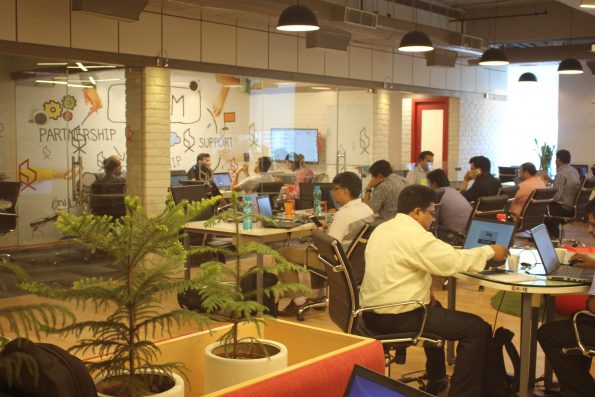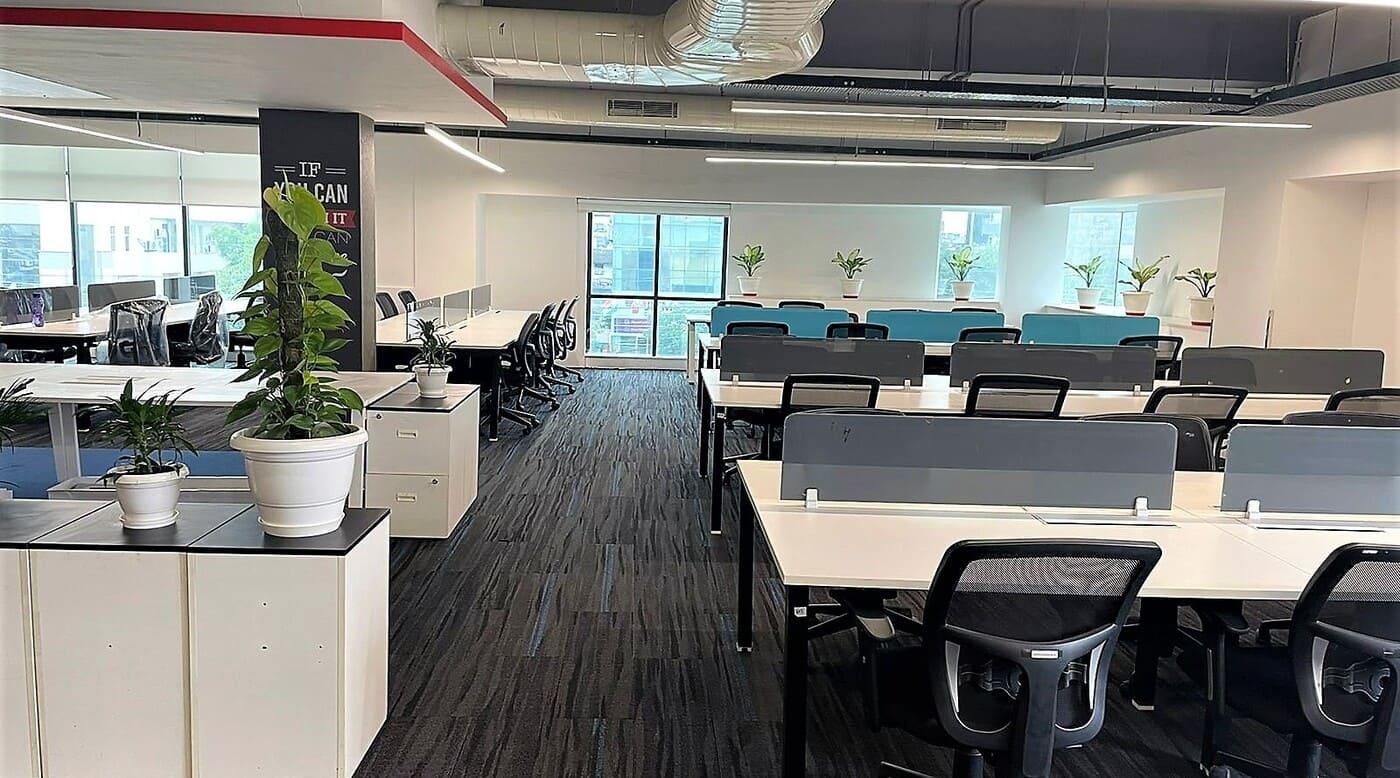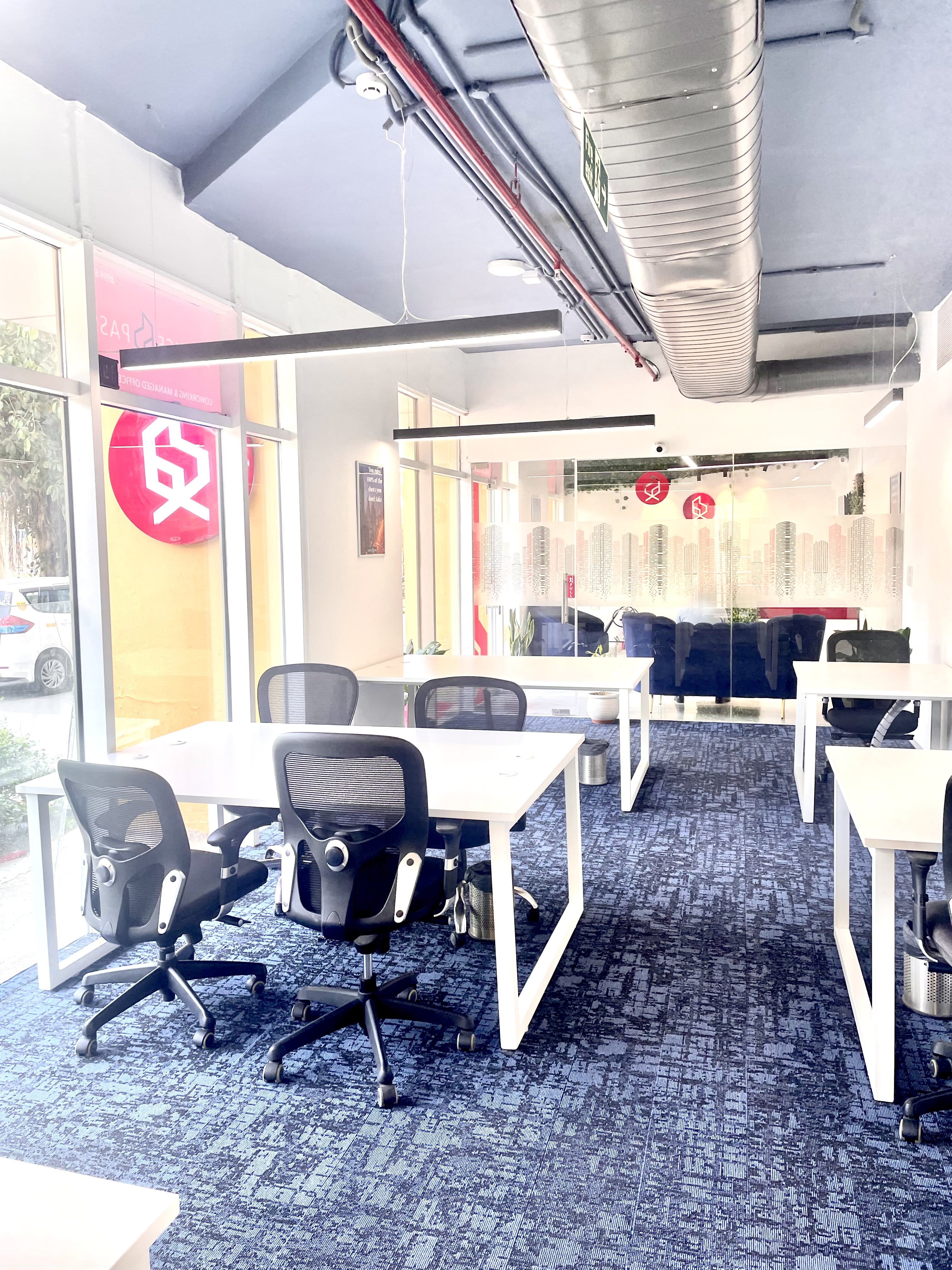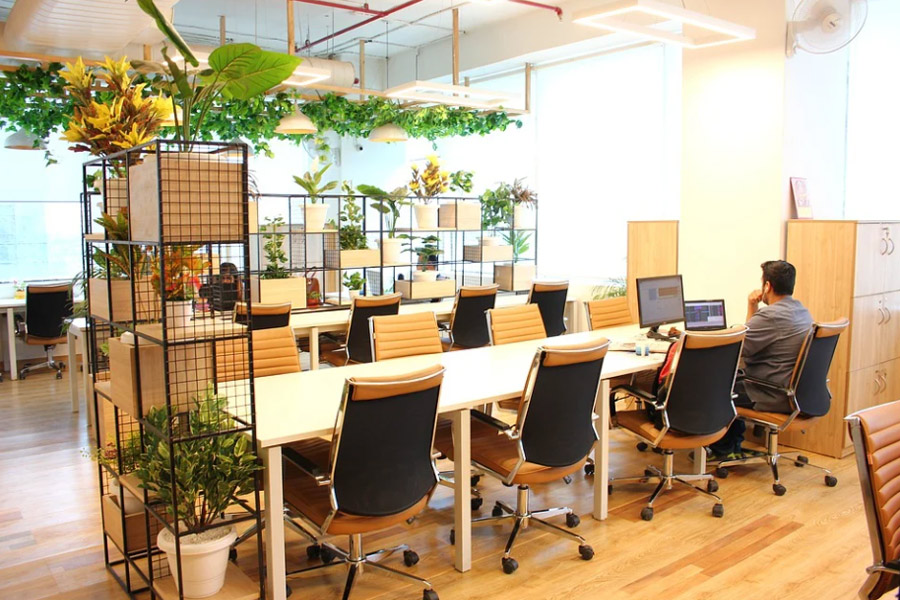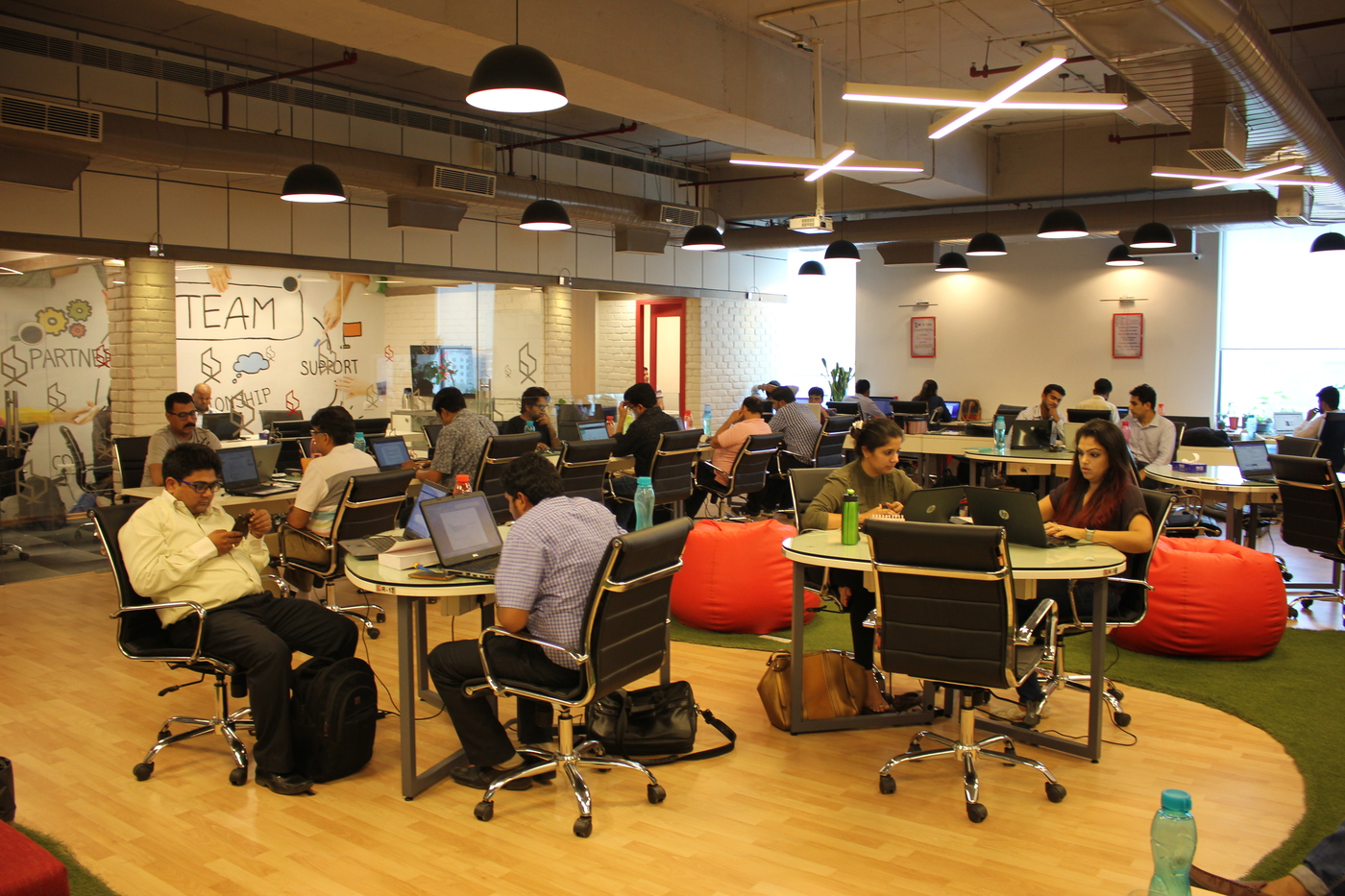


top strategies to become more productive at work

10 Top Strategies for Being More Productive in 2024

posted in: Coworking | 0

Productivity often refers to how effectively someone can accomplish tasks and achieve goals within a given timeframe. It’s not just about being busy but about accomplishing meaningful work and making progress. It’s not solely about the quantity of work but also the quality and efficiency of that work. Productivity can be influenced by various factors, including effective time management, organization, goal setting, collaboration, and the use of technology and tools to streamline processes. Continue reading this post to understand 10 strategies to become more productive at work in 2024 as given .

💡 Are you looking for Coworking space in Gurgaon, Noida or Delhi? We are just a call away.
Call Now:   08999 828282

10 Top strategies to become more productive at work in 2024

  1. Goal Setting and Prioritization
  2. Time Blocking
  3. Effective Time Management
  4. Digital Detox
  5. Utilize Productivity Tools
  6. Continuous Learning
  7. Effective Communication
  8. Regular Breaks and Physical Activity
  9. Delegate and Collaborate
  10. Reflect and Refine


5 Top Benefits of Coworking Spaces for Tech Startups in India
The Office Pass (TOP) Coworking Space in Gurgaon

1. Goal Setting and Prioritization

Clearly define your goals for the year and break them down into smaller, manageable tasks. Prioritize tasks based on importance and deadlines to stay focused.

2. Time Blocking

Allocate specific blocks of time to different tasks or categories of work. This helps minimize multitasking and allows you to concentrate on one task at a time.

3. Effective Time Management

Use productivity techniques such as the Pomodoro Technique or timeboxing to manage your time more efficiently. Set specific time intervals for work, followed by short breaks.

4. Digital Detox

Minimize distractions by scheduling regular “digital detox” periods. Turn off non-essential notifications and set specific times for checking emails and social media to avoid constant interruptions.

Also Read: How Does Coworking Affect the Productivity of Individuals?

5. Utilize Productivity Tools

Explore productivity tools and apps that can help streamline tasks, manage projects, and improve collaboration. Tools like task managers, calendar apps, and project management software can be invaluable.

6. Continuous Learning

Invest time in learning new skills and staying updated on industry trends. Continuous learning enhances your knowledge and efficiency, making you more adept at handling tasks.

💡 SMBs looking for HR, Marketing, Technology and Funding solutions for their business.
Call Hello Jarvis  994 8000 800

7. Effective Communication

Improve communication strategies to minimize misunderstandings and unnecessary back-and-forths. Clearly articulate expectations and use efficient communication channels to save time.

8. Regular Breaks and Physical Activity

Take regular breaks to recharge your mind. Incorporate physical activity into your routine, as it can boost energy levels and overall well-being, positively impacting productivity.

9. Delegate and Collaborate

Identify tasks that can be delegated to others. Foster a collaborative environment, sharing responsibilities and utilizing team members’ strengths to achieve collective goals.

10. Reflect and Refine

Regularly reflect on your productivity strategies and assess what is working and what needs adjustment. Be open to refining your approach based on feedback and changing circumstances.

Remember, productivity is a personal journey, and it’s essential to find strategies that align with your work style and preferences. Experiment with different techniques, and tailor them to suit your specific needs for a more productive 2024.

One of the interesting strategies to be more productive is by working at The Office Pass (TOP) co-working space located in Delhi and NCR. It is a one-stop platform for anyone eyeing to boost productivity at work because it incorporates all the essential amenities to offer a perfect work environment to professionals. Contact us for more details at 08999 828282.

FREQUENTLY ASKED QUESTIONS (FAQS):

Question: What are some key strategies for boosting productivity in 2024?

Answer: Prioritizing tasks, leveraging technology tools, time blocking and maintaining a healthy work-life balance are some of the key strategies that can help boost productivity in 2024.

Question: How can time blocking help improve productivity?

Answer: Time blocking as the name suggests, means blocking the time for some specific tasks. The main purpose of time blocking is to minimize distractions, and promote focused work.

Question: What role does mindfulness play in productivity?

Answer: Mindfulness is the easiest way to reduce stress, improve focus, and enhance decision-making, contributing to overall productivity. Incorporating practices like meditation can be beneficial. It simply means being aware of your mind to avoid any distraction.

Question: How can one maintain a healthy work-life balance for increased productivity?

Answer: Set clear boundaries between work and personal time, take regular breaks, and establish a designated workspace to create a balance that prevents burnout.

Question: What is the importance of setting SMART goals for productivity in 2024?

Answer: SMART goals (Specific, Measurable, Achievable, Relevant, Time-bound) provide clarity and direction, helping individuals stay focused and motivated, ultimately increasing productivity.

Question: What role does continuous learning play in staying productive in 2024?

Answer: Continuous learning keeps skills up-to-date, enhances problem-solving abilities, and fosters innovation, contributing to personal and professional growth, and increased productivity.

Question: What steps can one take to overcome procrastination and boost productivity?

Answer: Break tasks into smaller, more manageable parts, set deadlines, eliminate distractions, and establish a reward system to overcome procrastination and enhance productivity.
BOOK A COWORKING TOUR

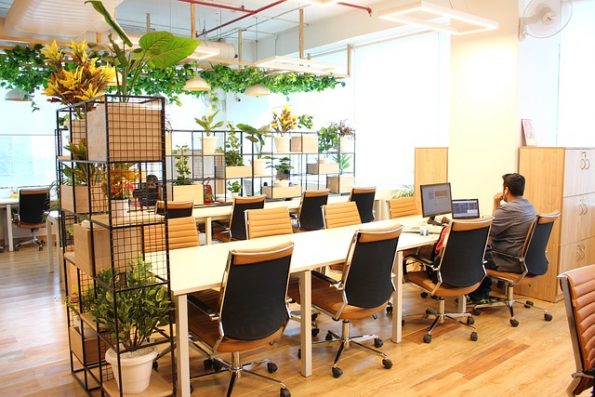
benefits of indoor plants in an office space

Top 10 Benefits of Indoor Plants in an Office Space

posted in: Green Office | 0

Indoor plants do more than beautify a space—they boost employee well-being and enhance the work environment. This post explores the key benefits of adding greenery to office spaces.

💡 Are you looking for Coworking space in Gurgaon, Noida or Delhi? We are just a call away.
Call Now:   08999 828282

Top 10 benefits of Indoor Plants in Office Space

  1. Improved Air Quality
  2. Enhanced Productivity and Concentration
  3. Stress Reduction
  4. Noise Reduction
  5. Enhanced Aesthetic Appeal
  6. Increased Humidity Control
  7. Promotion of Creativity
  8. Employee Well-being
  9. Branding and Image
  10. Reduced Sick Leave


Know 5 Ways How Coworking Space Can Boost Your Professional Skills
The Office Pass (TOP) Coworking Space in Noida

1. Improved Air Quality

  • Plants can help purify indoor air by absorbing pollutants such as benzene, formaldehyde, and trichloroethylene.
  • They release oxygen during photosynthesis, contributing to a healthier breathing environment.

2. Enhanced Productivity and Concentration

  • Studies suggest that the presence of plants in the office can lead to increased productivity and improved concentration.
  • Greenery has been linked to better focus and a reduction in stress levels, fostering a more conducive work environment.

3. Stress Reduction

  • Indoor plants have been shown to reduce stress and anxiety levels among employees. The visual appeal of greenery and the act of caring for plants can have a calming effect.

4. Noise Reduction

  • Plants can absorb and diffract sound, helping to reduce noise levels in open office spaces. This can create a more peaceful and comfortable work environment.

5. Enhanced Aesthetic Appeal

  • Indoor plants can improve the overall aesthetics of the office, making it a more pleasant and visually appealing space. This can positively impact employees’ perception of their work environment.

Also Read: Why Modern Office Spaces Need to Reconnect with Nature?

6. Increased Humidity Control

  • Plants release moisture through a process called transpiration, which can help maintain optimal humidity levels in indoor spaces. This is especially beneficial in buildings with dry air.

7. Promotion of Creativity

  • Some studies suggest that the presence of plants can enhance creativity and problem-solving skills. This may be attributed to the positive impact of greenery on cognitive function.

💡 SMBs looking for HR, Marketing, Technology and Funding solutions for their business.
Call Hello Jarvis  994 8000 800

8. Employee Well-being

  • Indoor plants contribute to a sense of well-being among employees. The connection with nature in the workplace can lead to increased job satisfaction and a more positive atmosphere.

9. Branding and Image

  • Incorporating greenery into the office space can be seen as a commitment to sustainability and environmental consciousness. This can positively influence the company’s image and brand perception.

10. Reduced Sick Leave

  • Improved air quality and a healthier indoor environment may contribute to a decrease in the number of sick days taken by employees, leading to increased overall productivity.


To conclude, remember when introducing indoor plants to an office space, it’s important to consider factors such as the amount of natural light, maintenance requirements, and the preferences of employees. Different types of plants may thrive in varying conditions, so selecting the right ones for the specific office environment is key to maximizing the benefits.

The Office Pass (TOP) operating in prime locations of Delhi and NCR has been beautifully adorned with indoor plants that help boost the overall employee productivity. If you wish to get all the benefits of indoor plants mentioned in this post, then choose to run  your office at TOP. Contact us for more details at 08999 828282

FREQUENTLY ASKED QUESTIONS (FAQS):

Question: How do indoor plants contribute to improved air quality in office spaces?

Answer: Indoor plants absorb pollutants such as benzene and formaldehyde, releasing oxygen and contributing to a cleaner, healthier indoor air environment.

Question: Can indoor plants really enhance productivity in the workplace?

Answer: Yes, studies suggest that the presence of indoor plants can lead to increased productivity and improved concentration among employees.

Question: What role do indoor plants play in reducing stress levels in office environments?

Answer: Indoor plants have a calming effect on individuals, and the act of caring for plants can help reduce stress and anxiety levels in the workplace.

Question: What aesthetic benefits do indoor plants bring to an office space?

Answer: Indoor plants enhance the overall aesthetics of an office, making it more visually appealing and positively influencing employees’ perception of their work environment.

Question: How do indoor plants contribute to humidity control in office spaces?

Answer: Through transpiration, plants release moisture, helping to maintain optimal humidity levels indoors, which is particularly beneficial in dry office environments.

Question: What impact do indoor plants have on employee well-being?

Answer: Indoor plants contribute to a sense of well-being among employees, leading to increased job satisfaction and a more positive workplace atmosphere.

Question: Can the presence of indoor plants contribute to a reduction in sick leave among employees?

Answer: Yes, by improving indoor air quality and creating a healthier environment, indoor plants may contribute to a decrease in the number of sick days taken by employees.

BOOK A COWORKING TOUR

10 Top Productivity Tips & Hacks That Actually Work in 2024

Why Are Managed Workspaces The Best Option for Hybrid Workspace Models?

posted in: Managed Office | 0

There are endless reasons that make managed workspaces a favourable option for hybrid workspace models. A hybrid workspace model typically involves a combination of remote work and in-office work. Managed workspaces provide the flexibility and support needed to make the hybrid model successful. In this post, you will learn about some reasons why managed workspaces are often considered the best option for hybrid workspace models.

💡 Are you looking for Coworking space in Gurgaon, Noida or Delhi? We are just a call away.
Call Now:   08999 828282

10 Reasons why managed workspaces are best option for hybrid workspace modes

  1. Flexibility
  2. Remote Accessibility
  3. Scalability
  4. Tech Infrastructure
  5. IT Support
  6. Collaboration Spaces
  7. Security
  8. Cost Efficiency
  9. Employee Experience
  10. Adaptability to Change
The Office Pass (TOP) Coworking Space in Gurgaon

1. Flexibility

Managed workspaces offer the flexibility to scale up or down based on the organization’s needs. This is crucial for a hybrid model where the number of employees working in the office may vary.

2. Remote Accessibility

Managed workspaces often come equipped with the technology and infrastructure needed to support remote work seamlessly. This includes high-speed internet, collaboration tools, and secure access to company resources.

3. Scalability

Organizations can easily scale their office space up or down based on their workforce requirements. This adaptability is essential for a hybrid model, where the number of employees coming to the office may change over time.

4. Tech Infrastructure

Managed workspaces typically provide advanced technology infrastructure, ensuring that employees have access to the latest tools and resources, whether they are working in the office or remotely.

5. IT Support

Another reason why managed workspaces are the best option for hybrid workspaces is because they often include on-site or remote IT support. This ensures that employees have assistance with any technical issues they may encounter. It is crucial for maintaining productivity in a hybrid work environment.

6. Collaboration Spaces

Managed workspaces are designed to facilitate collaboration. They often provide dedicated collaboration spaces, meeting rooms, and other facilities that support teamwork, which is essential for a hybrid model where team members may be working in different locations.

7. Security

At the same time, note that managed workspaces typically have robust security measures in place, both physical and digital. This is crucial for protecting sensitive company data, especially when employees are working from various locations.

💡 SMBs looking for HR, Marketing, Technology and Funding solutions for their business.
Call Hello Jarvis  994 8000 800

8. Cost Efficiency

Another reason why managed workspaces complement hybrid workspaces is due to their cost-effectiveness for organizations. They can avoid the high upfront costs of setting up and maintaining their own office spaces and instead pay for the services and space they actually use.

9. Employee Experience

Managed workspaces are often designed with the employee experience in mind, providing comfortable and modern work environments. This can contribute to higher employee satisfaction and retention, even in a hybrid work setting.

10. Adaptability to Change

Designed to adapt to changing business needs managed workspaces are a treat for a hybrid workplace. As the nature of work evolves, these spaces can evolve with them, making them well-suited for the dynamic requirements of a hybrid workspace model.

In a nutshell, managed workspaces offer the flexibility, scalability, technology infrastructure, and support needed for organizations to successfully implement and navigate a hybrid workspace model.

The Office Pass (TOP) located in Delhi and NCR is a perfectly managed coworking space that can help run successful hybrid workspace models. TOP offers all the latest state-of-the-art amenities essential for running big to small organizations. Contact us for more details at 08999 828282.

FREQUENTLY ASKED QUESTIONS (FAQS):

Question: What is a managed workspace?

Answer: A managed workspace is a professional office space solution that is fully equipped and maintained by a third-party provider. Some of the amenities a managed workspace offers are furniture, technology infrastructure, and support services.

Question: Why are managed workspaces suitable for hybrid workspace models?

Answer: Not only are managed workspaces adaptable and flexible, but they also allow organizations to scale their office space based on the needs of a hybrid workforce. They provide the technology and support essential for running both in-office and remote work.

Question: What advantages do managed workspaces offer in terms of scalability?

Answer: Managed workspaces allow organizations to scale up and down as needed by easily adjusting the amount of office space they use. This flexibility is crucial for accommodating the changing number of employees in the office in a hybrid model.

Question: In what ways do managed workspaces enhance collaboration in a hybrid work environment?

Answer: Dedicated meeting rooms, collaboration spaces, and modern communication tools are some of the ways through which managed workspaces facilitate collaboration in a hybrid work environment.

Question: How do managed workspaces contribute to cost efficiency for businesses?

Answer: Organizations can avoid upfront costs associated with setting up and maintaining their own office spaces by opting for managed workspaces. They can pay for the space and services they use, making it a cost-effective solution.

Question: What kind of IT support is typically provided in managed workspaces?

Answer: Managed workspaces often offer on-site or remote IT support to assist employees with technical issues. This ensures a smooth workflow and addresses any technology-related challenges that may arise during work.

Question: What amenities and facilities do managed workspaces typically provide to enhance the employee experience?

Answer: Managed workspaces often offer comfortable and modern work environments, with amenities such as lounges, kitchen facilities, and recreational areas. This contributes to a positive employee experience, even in a hybrid work setting.

BOOK A COWORKING TOUR

Coworking Office Rental Trends in Gurgaon or Gurugram

How to create a positive work environment for employees?

posted in: How to | 0

The work environment you give your employees plays a crucial role in the output you receive from them. In short, creating a positive work environment is essential for ensuring employee well-being, satisfaction, and productivity. Continue reading this entire post to grasp some effective strategies to help you cultivate a positive workplace culture.

💡 Are you looking for Coworking space in Gurgaon, Noida or Delhi? We are just a call away.
Call Now:   08999 828282

12 Best Tips for Creating Positive Work Environment for Employees

  1. Communication
  2. Recognition and Appreciation
  3. Professional Development
  4. Work-Life Balance
  5. Team Building
  6. Empowerment and Autonomy
  7. Wellness Programs
  8. Flexible Policies
  9. Clear Expectations
  10. Inclusive Culture
  11. Conflict Resolution
  12. Comfortable Workspace
5 Best Coworking Space in Gurgaon for Small and Medium Businesses
The Office Space (TOP) Coworking Space in Gurgaon

1. Communication

  • Foster open and transparent communication. Encourage employees to share their ideas, concerns, and feedback.
  • Implement regular team meetings to discuss goals, progress, and address any issues.

2. Recognition and Appreciation

  • Acknowledge and appreciate employees for their hard work and achievements. Recognition can be formal through awards or informal through regular praise.
  • Celebrate milestones, birthdays, and accomplishments to create a positive atmosphere.

3. Professional Development

  • Provide opportunities for training, skill development, and career advancement. In short, invest in the growth and development of your employees.
  • Support mentorship programs to facilitate knowledge transfer and career guidance.

4. Work-Life Balance

  • Encourage a healthy work-life balance by respecting employees’ time outside of work.
  • Offer flexible work arrangements or remote work options when feasible.

5. Team Building

  • Strengthen relationships and encourage a sense of camaraderie between team members, and for this organize team-building activities.
  • Encourage collaboration through group projects and cross-functional teams.

Also Read: How Does a Co-working Space Help a Coworker?

6. Empowerment and Autonomy

  • Delegate responsibilities and empower employees to make decisions within their roles.
  • Trust your employees’ abilities and provide them with the autonomy to solve problems and contribute to decision-making processes.

7. Wellness Programs

  • Implement wellness programs that promote physical and mental health. This can include fitness classes, mindfulness sessions, or access to counselling services.
  • Provide ergonomic workspaces to ensure physical well-being.

💡 SMBs looking for HR, Marketing, Technology and Funding solutions for their business.
Call Hello Jarvis  994 8000 800

8. Flexible Policies

  • Establish flexible policies that accommodate diverse needs, such as parental leave, flexible working hours, or compressed work weeks.

9. Clear Expectations

  • Set clear expectations and goals for employees. Ensure they understand their roles and how their work contributes to the overall success of the organization.

10. Inclusive Culture

  • Foster a diverse and inclusive workplace where all employees feel valued and respected.
  • Implement anti-bias training to promote awareness and eliminate discrimination.

11. Conflict Resolution

  • Develop effective conflict resolution processes to address issues promptly and constructively.
  • Encourage open communication to resolve conflicts before they escalate.

12. Comfortable Workspace

  • Create a comfortable and well-equipped workspace that meets the needs of your employees.
  • Provide necessary tools and technology to facilitate their work.

Towards the end, we would conclude by saying that creating a positive work environment is an ongoing process that requires consistent effort and a commitment to the well-being of your employees. Regularly solicit feedback and be willing to make adjustments based on the evolving needs of your team.

Give your employees the best working environment by setting up your office in The Office Pass (TOP) coworking spaces available in Delhi, Noida, and Gurugram. The lively ambience, the latest amenities, friendly staff and experienced technicians available at TOP can boost your employees’ morale to work positively for your organization. Contact us for more details at 08999 828282.

FREQUENTLY ASKED QUESTIONS (FAQS):

Question: Why is a positive work environment important?

Answer: A positive work environment is crucial to run a successful business because it promotes employee engagement, satisfaction, and overall well-being. Employees can show better productivity and harness a sense of belonging if given a positive work environment.

Question: How can leaders contribute to a positive work environment?

Answer: Leaders can contribute to a positive work environment by setting a positive example, communicating effectively and providing constructive feedback. Moreover, they can recognize and reward achievements, and even create opportunities for team building in an organization.

Question: What role does communication play in creating a positive work environment?

Answer: Effective communication is the best shortcut for transparency, trust, and collaboration in any organization or society. It helps prevent misunderstandings, align goals, and create a culture where employees feel heard and valued.

Question: What are the key elements of a positive work environment?

Answer: Some key elements of a positive work environment are:

  • Clear communication
  • Supportive leadership
  • Rewarding achievements
  • Work-life balance
  • Collaboration

Question: How can organizations promote work-life balance?

Answer: Organizations can promote work-life balance is by:

  • Offering flexible work arrangements
  • Encouraging breaks
  • Setting realistic expectations
  • Discouraging a culture of overwork

Question: How can organizations address workplace stress and burnout?

Answer: Whether big or small, organizations can address stress and burnout by promoting a healthy work-life balance, and providing mental health resources. They should also offer stress management programs, and encourage open communication about workload concerns with their employees.

Question: How can employee feedback be used to improve the work environment?

Answer: Regular feedback mechanisms, such as surveys or one-on-one discussions, can help identify areas for improvement. Actively listening to employee concerns and implementing changes based on feedback demonstrates a commitment to creating a positive work environment.

BOOK A COWORKING TOUR