

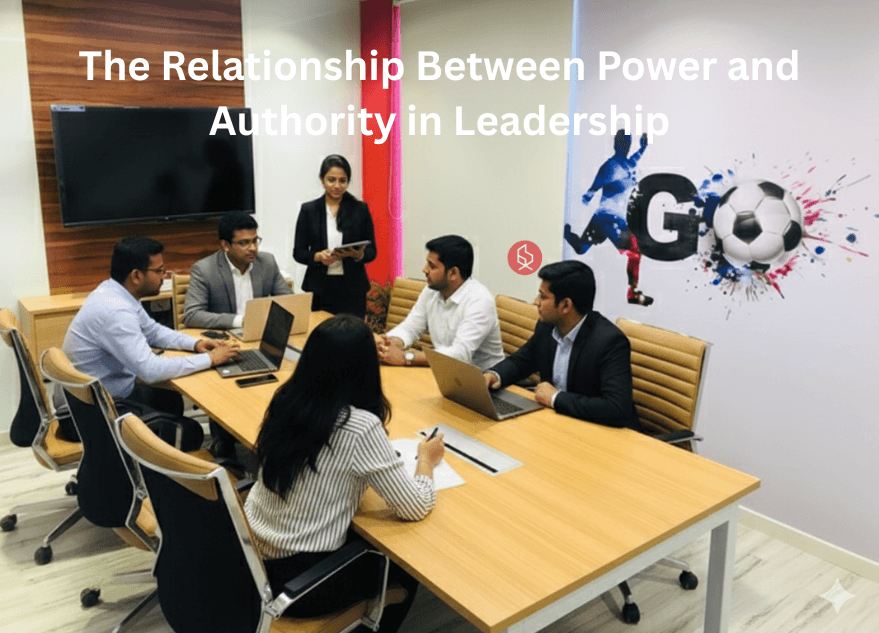
Power is the ability to influence others, while authority is the formal right to make decisions. Great leaders balance both using authority responsibly and power wisely to build trust, motivate teams, and drive lasting impact.
💡 Are you looking for Coworking space in Gurgaon, Noida or Delhi? We are just a call away. Call Now: 08999 828282
10 Ways Power and Authority Shape Effective Leadership
- What Defines Power in Leadership?
- Understanding Authority in Leadership Roles
- How Power and Authority Work Together
- Types of Power Leaders Should Develop
- The Limitations of Authority Without Power
- Building Power to Strengthen Your Authority
- Common Mistakes Leaders Make With Power
- How Entrepreneurs Can Balance Both Effectively
- The Role of Emotional Intelligence
- Creating Sustainable Leadership Influence
1. What Defines Power in Leadership?
Power in leadership is the ability to influence people’s behavior, decisions, and outcomes, regardless of formal position. It can stem from expertise, personality, relationships, or control over resources. Leaders with power can motivate teams, shape culture, and drive change even without official titles. Understanding the different types of power—such as coercive, reward, expert, and referent power—helps aspiring leaders identify their strengths and develop influence authentically.

2. Understanding Authority in Leadership Roles
Authority represents the formal, legitimate right granted by an organization to make decisions and enforce rules within a specific role. It comes from your position, title, or designated responsibilities. Unlike power, authority is institutionally recognized and carries accountability. When you hold authority, people follow because the organizational structure requires it. However, authority without earned power often leads to compliance rather than genuine commitment, which is why combining both is essential for effective leadership.
3. How Power and Authority Work Together
The relationship between power and authority in leadership shapes your effectiveness. Authority gives you the platform, while power gives you influence. Leaders who rely solely on authority may struggle with engagement and innovation. Conversely, those with power but no authority might inspire but lack the means to implement change. The sweet spot is where formal authority meets earned power—creating leaders who both command respect and inspire action naturally.
Also Read: The Leadership Mindset: 5 Key Strategies to Execute Your Vision
4. Types of Power Leaders Should Develop
Successful leaders cultivate multiple sources of power beyond their formal authority. Expert power derives from knowledge and skills; referent power stems from charisma and trustworthiness; reward power involves distributing benefits; and coercive power relies on threats. Aspiring entrepreneurs should focus on expert and referent power, as these build genuine influence. By developing expertise in your field and cultivating authentic relationships, you create sustainable power that enhances your leadership effectiveness regardless of your official position.
5. The Limitations of Authority Without Power
Relying solely on positional authority creates fragile leadership that crumbles under pressure. When team members follow only because they must, you’ll face minimum effort, hidden resistance, and high turnover. Authority-only leaders struggle during crises when inspiration matters more than directives. This approach also limits innovation since people won’t contribute ideas to someone they don’t genuinely respect. Smart leaders recognize that authority opens doors, but power built on competence, integrity, and vision keeps people engaged over the long term.
6. Building Power to Strengthen Your Authority
Power and authority in leadership become truly effective when you actively build influence alongside your formal role. Start by developing deep expertise that makes you the go-to resource. Build genuine relationships across all organizational levels. Demonstrate consistency between your words and actions to establish trust. Share credit generously and take responsibility during setbacks. These behaviors create referent power that transforms your authority from something imposed to something embraced, making leadership feel less like management and more like a partnership.
7. Common Mistakes Leaders Make With Power
Many leaders misuse power by confusing it with dominance or control. Overrelying on coercive power breeds resentment and disengagement. Inconsistent application of authority destroys credibility and trust. Some leaders hoard information to maintain power, which actually weakens their influence. Others fail to recognize the relationship between power and authority, treating them as interchangeable when they’re complementary. The biggest mistake is believing your title automatically grants you influence—real power must be earned daily through competence, integrity, and genuine care for your team’s success.
8. How Entrepreneurs Can Balance Both Effectively
Aspiring entrepreneurs must master the relationship between power and authority in leadership from day one. Start by establishing clear authority structures so everyone understands decision-making rights. Simultaneously, build power through delivering results, developing expertise, and creating a compelling vision. Be transparent about your decisions to strengthen both authority and trust-based power. Empower others by sharing authority strategically, which paradoxically increases your influence. The balance shifts as your venture grows—early stages require more personal power, while scaling requires distributing authority while maintaining strategic influence.
💡 Are you looking for Coworking space in Gurgaon, Noida or Delhi? We are just a call away. Call Now: 08999 828282
9. The Role of Emotional Intelligence
Emotional intelligence amplifies both power and authority in leadership by helping you read situations accurately and respond effectively. Self-awareness helps you understand how your power affects others. Self-regulation prevents authority from becoming tyrannical. Empathy builds referent power by making people feel valued and understood. Social skills help you navigate the complex relationship between power and authority, knowing when to assert and when to influence subtly. Leaders with high EQ naturally balance formal authority with personal power, creating environments where people want to follow.
10. Creating Sustainable Leadership Influence
Sustainable leadership emerges when power and authority in leadership reinforce each other over time. Focus on developing others rather than hoarding power—mentorship multiplies your influence exponentially. Build systems that institutionalize good decisions, extending your authority beyond your direct involvement. Create a leadership legacy by establishing values and culture that outlive your tenure. Invite feedback to continuously refine how you use both power and authority. Remember that the most influential leaders make authority seem unnecessary because people willingly follow their vision.
Conclusion
The relationship between power and authority in leadership determines whether you simply manage or truly inspire. Authority gives you the right to lead, but power earns you the privilege. By understanding their distinct roles and intentionally developing both, you can create effective, sustainable, and genuinely influential leadership. For leaders looking for a professional environment to hone these skills and collaborate with like-minded peers, The Office Pass (TOP) coworking spaces offer the ideal setting. Connect with TOP today at +91-8999-828282 and start mastering the balance between authority and power.
FREQUENTLY ASKED QUESTIONS (FAQS):
Question: What is the main difference between power and authority in leadership?
Answer: Power is the ability to influence others through various means like expertise or relationships, while authority is the legitimate, formal right to make decisions granted by an organization or position.
Question: Can a leader have authority without power?
Answer: Yes, leaders can hold formal positions without real influence. This creates compliance-based followership rather than genuine engagement, often leading to ineffective leadership and poor team performance.
Question: Which is more important for leadership success—power or authority?
Answer: Both are essential and complementary. Authority provides the platform and legitimacy, while power creates genuine influence. The most effective leaders strategically combine both for maximum impact.
Question: How can new managers build power quickly?
Answer: Focus on developing expert power through competence, build authentic relationships, deliver consistent results, demonstrate integrity, and support team members’ growth. Power accumulates through proven value and trustworthiness.
Question: What type of power is most sustainable?
Answer: Expert and referent power are most sustainable because they’re based on knowledge, skills, and genuine relationships. Unlike positional authority, these types of power travel with you across roles.
Question: Does giving away authority reduce your power?
Answer: No—delegating authority strategically often increases your influence. Empowering others builds loyalty, frees you for strategic work, and demonstrates confidence, which actually strengthens your overall power.
Question: How do entrepreneurs establish authority in startups?
Answer: Entrepreneurs establish authority by clearly defining roles, making decisive strategic choices, communicating vision effectively, and demonstrating expertise. Ownership naturally provides formal authority that must be reinforced through competent action.
Question: Can power exist without any formal authority?
Answer: Absolutely. Informal leaders, subject matter experts, and influential team members often wield significant power through knowledge, relationships, or charisma without holding formal leadership positions.
Question: What happens when leaders abuse their power?
Answer:Power abuse destroys trust, reduces engagement, increases turnover, and damages organizational culture. It often leads to compliance-only behavior, resistance, and eventually undermines the leader’s authority.
Question: How does emotional intelligence affect power and authority?
Answer: Emotional intelligence helps leaders use power appropriately and exercise authority effectively. It enables reading situations accurately, building genuine influence, and balancing directive leadership with collaborative approaches.