

10 Major Challenges Faced By Multinational Companies (MNCs) in 2024

10 Top Challenges Faced By Multinational Companies in India

posted in: Coworking | 0

Microsoft, Nestle, Aditya Birla, and Pepsico, are only a few of the many MNCs in India. Ever since India opened up to globalisation in the 1990s, it has been popular with all kinds of MNCs. With an ever-expanding talent pool, favourable demographics and strong domestic demand, India offers many opportunities for growth. 

The market is here for sure but it can’t be taken for granted. The challenges faced by multinational companies are such that even established brands like Harley Davidson and General Motors have tried and failed at capturing the Indian markets. Let’s take a look at top 5 opportunities and challenges for MNCs in India.

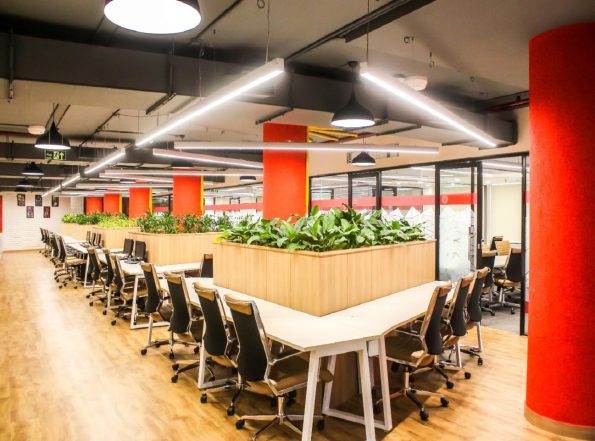
The Office Pass Noida
The Office Pass (TOP) Coworking Space in Noida

10 Challenges Faced by Multinational Companies (MNCs) in India 2025

  1. Varied Demographics
  2. Cultural Differences
  3. Infrastructure
  4. Price Centric Customers
  5. Recruitment
  6. Regulatory and Policy Environment
  7. Bureaucracy and Red Tape
  8. Labor Relations and Talent Management
  9. Market Competition
  10. Environmental and Sustainability Concerns

1. Varied Demographics

India has a population of over 138 crore people and the differences between them are many. Assuming Indian consumers as homogenous customers is a big mistake that MNCs often make. Customer preferences vary significantly from region to region in the same country. Local knowledge is critical for MNCs to penetrate the market but this knowledge is not easy to come by especially if the company is being led by an expat.

To get over such problems of MNCs in India, expat leaders need to be replaced with local leadership. These people have a better understanding of what it takes to succeed in India and understand the market dynamics as well as the country’s cultural landscape.

2. Cultural Differences

Given its size, it isn’t surprising to note the presence of cultural differences not only between western and Indian cultures but between domestic regions as well. For an MNC setting up offices pan-India, this can be quite a challenge. They need to figure out a balance between allowing employees to speak their minds and yet educating everyone about cultural diversity so that no one is offended and everyone can work together in harmony.

đź’ˇ Are you looking for Coworking space in Gurgaon, Noida or Delhi?. We are just a call away.
Call now: 08999 828282

This is where soft skill development comes in. MNCs need to invest in not just building the company culture but understanding the culture of their employees. After-work events help break the ice for new employees and bring the team closer. 

3. Infrastructure

MNCs rarely own commercial spaces. Instead, they prefer to lease office spaces. Selecting the right office space is one of the biggest challenges for MNCs in India. Due to the high demand, they need to book large office spaces before commercial projects can be fully constructed and handed over. 

Initially, the space may be too large for their teams but as the company grows, most MNCs outgrow the space. Finding a second space close to the existing one is usually next to impossible. This means starting the loop from scratch again. 

Moving away from the traditional office model to coworking space may be the most viable solution to this problem. Coworking operators like The Office Pass (TOP) enables MNCs to lease desk space rather than floor space. Thus, they can match the space they lease to their requirements and scale up in line with their headcount. Brands like Microsoft have already taken the plunge and started leasing flexible office space in India. 

4. Price Centric Customers

Indians don’t shy away from making luxury purchases but, at the same time, they will haggle for everyday goods and services. The price-centric mentality of Indians is unique and is often listed under the problems faced by MNCs. As proved by statistics, Indians aren’t as brand loyal as they are conscious of pricing. 

Price Centric Customers

Source: YouGov

Even a slight increase in prices can result in a loss of customers. Hence, businesses need to find a way to control their costs without letting them affect quality. This is another way moving to a coworking space can help. MNCs that lease space in coworking units do not have to consider operational costs like security, office air conditioning, housekeeping, etc. In the long run, this can add up to significant savings.  

5. Recruitment

One would assume that given India’s talent pool and the resources available to MNCs, recruiting people is easy but in reality, recruitment is still one of the challenges faced by foreign companies in India. Firstly, all the top multinationals are racing against each other to hire the best people. Secondly, the crème of India’s top institutes are no longer satisfied with working for a brand, they want to build their own. 

Growth in New Firms in India

Source: Entrepreneur

Statistics go to prove that many Indians would rather have ownership of the organization they work with rather than be employees. Thus, MNCs need to look beyond salaries to attract bright minds. One of the ways to overcome such challenges faced by MNCs in India is to make working more convenient for employees. Introducing flexible work hours and allowing employees to work from a nearby coworking space rather than commute across town to the central office space can help. 

6. Regulatory and Policy Environment

 India has a complex regulatory framework that varies across states and sectors. Navigating through these regulations and policies can be challenging for MNCs, especially when it comes to issues such as foreign investment restrictions, labor laws, environmental regulations, taxation, and intellectual property rights.

7. Bureaucracy and Red Tape

MNCs often encounter bureaucratic hurdles and delays in obtaining permits, licenses, and approvals for various business activities. Dealing with bureaucratic inefficiencies can slow down decision-making processes and increase operating costs.

💡 SMBs looking for HR, Marketing, Technology and Funding solutions for their business.
Call Hello Jarvis  994 8000 800

8. Labor Relations and Talent Management

Managing labor relations in India, including issues related to workforce productivity, compliance with labor laws, and addressing disputes, can be challenging for MNCs. Additionally, attracting and retaining skilled talent in a competitive market can be difficult, particularly in sectors experiencing high demand for specialized skills.

9. Market Competition

India’s market is highly competitive across different sectors, with both domestic and international players vying for market share. Multinational companies must devise effective strategies to differentiate themselves and compete with local rivals, who may have a better understanding of the local market and consumer behavior.

10. Environmental and Sustainability Concerns

With growing awareness of environmental issues and sustainability concerns, MNCs operating in India are under pressure to adopt environmentally friendly practices and comply with stringent regulations related to pollution control, waste management, and sustainable development.

What are the impacts of MNCs on Indian industry?

The impacts of MNCs on Indian industry depend on various factors, such as the nature of the industry, the type of MNC, and the policies and regulations in place to govern their operations. The impacts of multinational corporations (MNCs) on Indian industry have been both positive and negative.

Positive Impacts of MNCs on Indian Industry:

  • Technology transfer
  • Employment generation
  • Increased exports
  • Investment inflows

Negative Impacts of MNCs on Indian Industry:

  • Competition with domestic firms
  • Exploitation of natural resources
  • Price manipulation
  • Limited transfer of technology

In Conclusion

India is set for a boom and is a great market for MNCs to explore. But, planning strategies based on what works in other countries may not be a good idea. The Indian workforce as well as the Indian market has unique needs and it is only by addressing them that MNCs can see an upside. 

Investing in employees and making them feel valued is critical. And, switching to a coworking space could be the ideal first step. Allowing employees to work from a location close to their homes rather than commute improves the work-life balance and gives them one less reason to job-hunt. 

The Office Pass (TOP) has large, ready-to-work-from coworking spaces in Delhi, Gurgaon and Noida. To know more, reach out to us at 08999 828282.

FREQUENTLY ASKED QUESTIONS (FAQS) Related to MNCs:

Question: What are the challenges facing multinational companies?

Answer: Multinational companies face a range of challenges that can vary depending on the industry, location, and size of the company. Some common challenges that many multinational companies face include: cultural differences, legal and regulatory compliance, currency fluctuations, supply chain disruptions, competition, talent management and reputation management.

Question: What is the most substantial of the challenges faced by MNCs?

Answer: According to Global Corporation Ethics is Arguably the most substantial of the challenges faced by Multinational Companies (MNCs), ethics have historically played a dramatic role in the success or failure of international players.

Question: What are the factors affecting the growth of MNC?

Answer: There are several factors that can affect the growth of multinational corporations (MNCs), including: economic and political stability, access to capital, technological advancements, market demand, globalization, talent acquisition and management and regulatory environment. The specific factors that impact a company’s growth will vary depending on its industry, geographic location, and other factors.

Question: What are the benefits and problems of MNCs?

Answer: Multinational corporations (MNCs) bring opportunities like job creation and technological advancement to India. However, they also face challenges such as cultural differences, regulatory complexities, and competition with local businesses. MNCs contribute to economic growth but may exploit resources and labor. Balancing these benefits and challenges is crucial for sustainable development.

Question: What is the role of MNC in India?

Answer: Multinational corporations (MNCs) have played a significant role in the economic development of India. The primary role of MNCs in India has been to bring in foreign investment, technology, and expertise. MNCs have helped in the growth of Indian industries such as IT, automotive, pharmaceuticals, and consumer goods.

Question: What is the main objective of MNC?

Answer: The main objective of a Multinational Corporation (MNC) is to maximize profits and shareholder value by operating in multiple countries. MNCs aim to expand their business beyond the boundaries of their home country to tap into new markets, take advantage of lower production costs, and access new resources.

BOOK A COWORKING TOUR

7 Best Ways Coworking Offices Can Help SMBs in Business Networking

Challenges of Being An Entrepreneur at the Age of 50+

posted in: Entrepreneur | 0

Starting a business at 50+ is rewarding but comes with unique challenges despite experience, knowledge and contacts.

💡 Are you looking for Coworking space in Gurgaon, Noida or Delhi? We are just a call away.
Call now:   08999 828282

10 Biggest Challenges Faced by Older Entrepreneurs in India

  1. Financial Risk
  2. Health Concerns
  3. Limited Time Horizon
  4. Learning Curve
  5. Networking Challenges
  6. Competition with Younger Entrepreneurs
  7. Access to Funding
  8. Balancing Family and Business
  9. Resistance to Change
  10. Stigma

1. Financial Risk

Starting a new business often requires a significant financial investment. Older entrepreneurs may have fewer years to recover financially if their business does not succeed, which can make taking financial risks more daunting.


The Office Pass Gurgaon
The Office Pass (TOP) Managed Office on Golf Course Road, Gurgaon

2. Health Concerns

Health issues may become more prominent as people age. Entrepreneurs in their 50s and beyond may need to manage their health and energy levels while also managing the demands of a new business.

3. Limited Time Horizon

Older entrepreneurs may have a shorter time horizon to build and grow their businesses compared to younger entrepreneurs. This can impact long-term planning and retirement considerations.

4. Learning Curve

Technology and business practices evolve rapidly. Older entrepreneurs may need to adapt to new technologies and trends, which can be challenging if they are not already familiar with them.

Also Read: Challenges faced by women entrepreneurs

5. Networking Challenges

Building a professional network can be more challenging for older entrepreneurs, as they may not have as many existing contacts in the business world compared to younger entrepreneurs.

6. Competition with Younger Entrepreneurs

Older entrepreneurs may face competition from younger, more tech-savvy individuals who have different perspectives and approaches to business.

7. Access to Funding

Securing funding for a new venture can be difficult at any age, but older entrepreneurs may face scepticism from investors who may wonder why they didn’t start a business earlier in life.

💡 SMBs looking for HR, Marketing, Technology and Funding solution for their business, call Hello Jarvis
now at  994 8000 800

8. Balancing Family and Business

Many older entrepreneurs have family responsibilities, including caring for ageing parents or supporting grown children. Balancing these obligations with the demands of a new business can be challenging.

9. Resistance to Change

Older entrepreneurs may have established routines and ways of thinking that can be resistant to change, which can be a hindrance in the fast-paced and dynamic world of entrepreneurship.

10. Stigma

Some people may view entrepreneurship as a young person’s game, and older entrepreneurs may encounter stereotypes or biases in the business world.

Despite these challenges, there are also advantages to being an older entrepreneur. These can include a wealth of life and work experience, a deeper understanding of industry dynamics, a strong work ethic, and a larger network of contacts. If you are aiming to start your journey as an entrepreneur at the age of 50, then choose The Office Pass (TOP), to set up your office. Located at prime locations in Delhi and NCR, TOP is a leading co-working space provider helping you collaborate with many like-minded professionals all working under one roof. Contact us for more details at 08999 828282.

FREQUENTLY ASKED QUESTIONS (FAQS):

Question: Is it common for people in their 50s and beyond to become entrepreneurs?

Answer: While entrepreneurship is often associated with younger individuals, there is a growing trend of older adults starting businesses in their 50s and beyond.

Question: What are the financial challenges faced by older entrepreneurs?

Answer: Older entrepreneurs may have limited financial resources and face higher financial risks due to a shorter time horizon for business success and retirement planning.

Question: How can older entrepreneurs adapt to rapidly changing technology and business practices?

Answer: Older entrepreneurs must spend time learning new technologies and staying up-to-date with evolving business trends. They can take courses, attend workshops, or hire younger employees with tech skills.

Question: What support or resources are available for older entrepreneurs?

Answer: There are organizations, business incubators, and mentorship programs tailored to older entrepreneurs. They provide guidance, resources, and a supportive community.

Question: What strategies can older entrepreneurs use to build a professional network?

Answer: Networking events, industry conferences, and online platforms can be helpful for older entrepreneurs looking to expand their professional network.

Question: How do health concerns impact older entrepreneurs?

Answer: Health issues may require older entrepreneurs to manage their workload carefully and prioritize self-care to ensure they have the energy and well-being to run a business.

Question: How can older entrepreneurs balance family responsibilities with running a business?

Answer: Time management, delegation, and open communication with family members can help older entrepreneurs juggle their business responsibilities and family commitments.

Question: What funding options are available for older entrepreneurs?

Answer: Older entrepreneurs can explore various funding sources, including personal savings, loans, angel investors, and crowdfunding, depending on their financial situation and business needs.

Question: Are there any benefits to being an older entrepreneur?

Answer: Yes, older entrepreneurs often bring a wealth of experience, industry knowledge, and a strong work ethic to their ventures, which can be valuable assets.

BOOK A COWORKING TOUR

Top 14 Tips to Recover from a Failed Business and Move Forward

How to Come Back from a Failed Business?

posted in: Business | 0

Failure can be a daunting experience for anyone, especially if it is a business failure. One may feel rejected, depressed, and like a complete novice after a business failure. Yes, it’s true that overcoming a failed business can indeed be a challenging and emotionally taxing process, but it is possible with the right approach and mindset. Here are steps to help you recover and move forward after a failed business:

💡 Are you looking for Coworking space in Gurgaon, Noida or Delhi? We are just a call away.
Call now:   08999 828282

Top 15 Tips to Overcome Business Failure

  1. Accept Reality
  2. Analyze the Failure
  3. Seek Professional Advice
  4. Settle Debts and Liabilities
  5. Liquidate Assets
  6. Learn from the Experience
  7. Reevaluate Your Goals
  8. Develop a New Business Plan
  9. Seek Support by Networking
  10. Secure Funding
  11. Stay Committed and Persistent
  12. Comply with Legal Obligations
  13. Embrace Continuous Learning
  14. Mind Your Mental Health
  15. Focus on Your Strengths
Coworking Space in Delhi
The Office Pass (TOP) Coworking Space in Delhi

1. Accept Reality

Acknowledge that your business has failed. Denial can prevent you from taking the necessary steps to move on. The sooner you accept it, the better it will be for you to rise again.

2. Analyze the Failure

Take time to understand why your business failed. Was it due to market conditions, financial mismanagement, a flawed business model, or something else? Identifying the root causes is crucial for avoiding similar mistakes in the future.

3. Seek Professional Advice

Consider consulting with a business advisor, mentor, or financial expert who can provide valuable insights and guidance based on their experience.

4. Settle Debts and Liabilities

Make a list of all outstanding debts and liabilities and create a plan to pay them off. Negotiate with creditors if necessary to come up with a repayment schedule that works for both parties.

5. Liquidate Assets

If possible, sell off any assets from your failed business to generate funds that can be used to pay debts or invest in a new venture. This will help planning in a better and cost-effective way.

6. Learn from the Experience

Reflect on your mistakes and the lessons learned. Use this knowledge to make more informed decisions in the future. Take every past mistake as a learning stone for a better business opportunity in the future.

Also Read: 5 Tips to generate more leads through Coworking Space

7. Reevaluate Your Goals

Most importantly, consider whether entrepreneurship is still the right path for you. You may decide to pursue a different business idea or explore other career options to get success in some other field. Research as much as you can about your current goals and if required make changes as per the current market scenario and demands.

8. Develop a New Business Plan

If you decide to start a new business, create a well-researched and realistic business plan. Take into account the lessons learned from your previous venture.

9. Seek Support by Networking

Connect with your professional network, friends, and family. They can provide emotional support and may also have valuable opportunities or advice. Seeking support and guidance from other professionals will truly help you come up with better ideas to manifest for a new business.

10. Secure Funding

Determine how you will finance your new business. This could involve personal savings, loans, investors, or crowdfunding. Set out an initial rough budget and arrange funds accordingly.

💡 SMBs looking for HR, Marketing, Technology and Funding solution for their business, call Hello Jarvis
now at  994 8000 800

11. Stay Committed and Persistent

Building a successful business takes time and effort. Be prepared for setbacks and challenges, and stay committed to your goals. Above all, stay positive and don’t demean yourself based on your past failures.

12. Comply with Legal Obligations

Ensure that you have closed your failed business properly by complying with all legal requirements, such as canceling registrations and licenses.

13. Embrace Continuous Learning

Stay up-to-date with industry trends, market conditions, and business strategies to increase your chances of success in your new venture.

14. Mind Your Mental Health

Last of all, remember that coping with business failure can be emotionally draining. So, don’t hesitate to seek the support of a mental health professional if you’re struggling with stress, anxiety, or depression.

15. Focus on Your Strengths

Identify your strengths and leverage them to your advantage. This might involve focusing on your core competencies or unique selling points.

Remember that setbacks and failures are a part of entrepreneurship. Many successful entrepreneurs have faced failures in their careers before achieving their goals. Your ability to bounce back, learn from your experiences, and apply those lessons to your new venture can ultimately lead to a successful comeback. Start again a new business with new aspirations and choose The Office Pass (TOP) to set up your new office. TOP is a leading coworking space provider located at prime destinations of Delhi and NCR.  Contact us for more details at 08999 828282.

FREQUENTLY ASKED QUESTIONS (FAQS):

Question: Is it possible to bounce back from a failed business?

Answer: Yes, many entrepreneurs have successfully recovered from failed businesses and gone on to build successful ventures.

Question: What are the first steps to take after a business failure?

Answer: Begin by assessing what went wrong, learning from your mistakes, and taking time to reflect on your goals and aspirations.

Question: What resources are available to help start over after a business failure?

Answer: Look into entrepreneurship programs, mentors, business incubators, and small business support organizations in your area.

Question: How to bounce back financially after a business failure?

Answer: You can bounce back financially by managing your personal finances carefully, paying off debts, exploring new income opportunities, and possibly seeking financial counseling or assistance if needed.

Question: How long does it typically take to recover from a failed business?

Answer: The timeline varies for each individual and depends on the specific circumstances. It may take several months to several years to fully recover.

Question: How to stay motivated during the challenging process of rebuilding?

Answer: Staying motivated can be tough, but setting clear goals, breaking them down into manageable steps, and celebrating small victories along the way can help maintain your enthusiasm.

Question: Are there successful entrepreneurs who have overcome business failures?

Answer: Yes, many famous entrepreneurs, including Steve Jobs and Walt Disney, faced business failures before achieving great success.

BOOK A COWORKING TOUR

10 Best Government Schemes for Startups in India 2024 You Must Know

20 Best Government Schemes for Startups in India

posted in: Entrepreneur | 0

From professionals with many years of experience in their kitty to fresh graduates, India has been witnessing entrepreneurs coming up with great ideas for a few years. However, sometimes it becomes a challenge to get funds to run and support the business. If you are also one of those who are finding it difficult to collect funds, then you can consider the incentives offered by the Government of India.

The Government of India has launched several incentive schemes to encourage entrepreneurship and promote the growth of startups in the country.

đź’ˇ Are you looking for Coworking space in Gurgaon, Noida or Delhi?. We are just a call away.
Call now: 08999 828282

20 Best Government Schemes for Startups in India 2025

Here are the 20 best incentives offered by the government of India are mentioned below:

    1. Startup India Scheme
    2. Mudra Yojana Scheme
    3. Stand-Up India Scheme
    4. Atal Innovation Mission (AIM)
    5. Electronic Development Fund (EDF)
    6. Pradhan Mantri Mudra Loan Yojana (PMMY)
    7. National Entrepreneurship Awards (NEA)
    8. Make in India Initiative
    9. Pradhan Mantri Employment Generation Programme (PMEGP)
    10. National Rural Livelihoods Mission (NRLM)
    11. Credit Guarantee Fund Scheme for Startups (CGSSS)
    12. Technology Business Incubator (TBI) Scheme
    13. BIRAC Biotechnology Ignition Grant (BIG) Scheme
    14. National SC/ST Hub
    15. Export Promotion Capital Goods (EPCG) Scheme
    16. Udyog Aadhaar Registration
    17. Single Window Clearance
    18. Skill India Mission
    19. Digital India
    20. National Intellectual Property Rights (IPR) Policy

1. Startup India Scheme

This scheme was launched to promote and support startups in India by providing them with funding, tax benefits, and other incentives. It also provides legal and regulatory support and helps startups to network and collaborate with investors, mentors, and other entrepreneurs.

2. Mudra Yojana Scheme

This scheme provides financial assistance to small and micro enterprises, including startups, through loans of up to INR 10 lakhs. The scheme has been designed to cater to the financial requirements of startups and small businesses in the country.

3. Stand-Up India Scheme

This scheme was launched to promote entrepreneurship among women and SC/ST entrepreneurs. Under this scheme, loans of up to INR 1 crore are provided to eligible entrepreneurs to start or expand their businesses.

The Office Pass Gurgaon
The Office Pass (TOP) Managed Office on Golf Course Road, Gurgaon

4. Atal Innovation Mission (AIM)

AIM is a government initiative that aims to promote innovation and entrepreneurship in the country. The mission provides funding, mentorship, and other support to startups and entrepreneurs working on innovative ideas.

5. Electronic Development Fund (EDF)

The EDF is a fund set up by the government to provide financial assistance to startups and small businesses working in the electronics and IT sectors. The fund provides equity, debt, and other forms of funding to eligible companies.

6. Pradhan Mantri Mudra Loan Yojana (PMMY)

This scheme provides loans to small and micro enterprises, including startups, for their business needs. The loans can be availed without any collateral security and can be used for various purposes such as working capital, buying machinery, and purchasing raw materials.

7. National Entrepreneurship Awards (NEA)

Instituted by the Ministry of Skill Development and Entrepreneurship, NEA recognizes and rewards outstanding entrepreneurs and organizations that have made significant contributions to entrepreneurship development in India. The awards aim to inspire and motivate individuals and enterprises to excel in their entrepreneurial endeavors.

8. Make in India Initiative

Indian Government Launched Make in India Initiative to boost the manufacturing in India and promote entrepreneurship by creating a conducive environment for investment, innovation, and skill development. Make in India Scheme offers incentives and support for setting up manufacturing units, easing regulations, and facilitating technology transfer and collaboration.

9. National Rural Livelihoods Mission (NRLM)

The National Rural Livelihood Mission is a poverty alleviation project launched in 2011 by the Ministry of Rural Development, a branch of the Government of India. This plan is focused on promoting self-employment and entrepreneurship among rural households by providing skill development training, access to credit, and support for setting up micro-enterprises.

10. Pradhan Mantri Employment Generation Programme (PMEGP)

PMEGP, initiated by merging Prime Minister’s Rozgar Yojana (PMRY) and Rural Employment Generation Programme (REGP), offers financial assistance for setting up new micro-enterprises and generating employment opportunities in rural and urban areas.

11. Credit Guarantee Fund Scheme for Startups (CGSSS)

Under this scheme, startups can avail credit facilities without collateral security or third-party guarantee. The government provides credit guarantee cover to banks and financial institutions.

12. Technology Business Incubator (TBI) Scheme

TBIs provide startups with necessary infrastructure, mentoring, networking, and other support services to help them grow. The government provides financial assistance for setting up and operating TBIs.

13. BIRAC Biotechnology Ignition Grant (BIG) Scheme

Aimed at biotech startups, this scheme provides early-stage funding and support to validate innovative ideas and technologies.

14. National SC/ST Hub

This initiative aims to provide support to entrepreneurs from Scheduled Castes (SC) and Scheduled Tribes (ST) by facilitating access to finance, markets, and capacity building.

15. Export Promotion Capital Goods (EPCG) Scheme

Startups engaged in export-oriented activities can avail duty-free imports of capital goods under this scheme, which aims to promote exports.

16. Udyog Aadhaar Registration

This scheme provides a unique identity to micro, small, and medium enterprises (MSMEs), simplifying the registration process and enabling them to avail various benefits and schemes.

17. Single Window Clearance

Several states in India offer a single window clearance system for startups, simplifying the process of obtaining various licenses, approvals, and registrations required to start a business.

💡 SMBs looking for HR, Marketing, Technology and Funding solutions for their business.
Call Hello Jarvis  994 8000 800

18. Skill India Mission

While not directly targeted at startups, Skill India aims to provide skill training to youth, enabling them to become job creators rather than job seekers, thereby fostering entrepreneurship.

19. Digital India

This initiative aims to transform India into a digitally empowered society and knowledge economy by promoting digital infrastructure and services, which can benefit startups operating in the digital space.

20. National Intellectual Property Rights (IPR) Policy

The policy aims to promote innovation and entrepreneurship by creating a conducive environment for the protection and commercialization of intellectual property rights.

These are some of the major incentives offered by the Government of India to promote entrepreneurship and support startups in the country.

If you are an entrepreneur who wants to maintain a certain budget and at the same time want a full-fledged office as well, you can pay a visit to the nearest The Office Pass. To know about the amenities that you can avail of at The Office Pass, you can contact us at 08999 828282.

FAQs:

Question: What are the key government schemes for entrepreneurship development in India?

Answer: The government of India offers several schemes to promote entrepreneurship in the country. These schemes aim to provide financial and non-financial support to budding entrepreneurs.

Question: Can you list some of the popular government entrepreneurship schemes available to entrepreneurs in India?

Answer: Some popular government entrepreneurship schemes in India include the Startup India, Standup India, Pradhan Mantri Mudra Yojana, and Atal Innovation Mission, among others.

Question: How does the Startup India scheme support entrepreneurs in the country?

Answer: The Startup India scheme provides various benefits, such as tax exemptions, funding opportunities, and a single-window clearance system to simplify regulatory processes for startups.

Question: What is the Pradhan Mantri Mudra Yojana, and how does it assist entrepreneurs in India?

Answer: The Pradhan Mantri Mudra Yojana offers financial support to micro and small enterprises by providing loans through various Mudra loan schemes, helping entrepreneurs access the necessary funds for their businesses.

Question: Are there any government schemes specifically targeting women entrepreneurs in India?

Answer: Yes, there are schemes like the Mahila Coir Yojana and Mahila E-Haat that aim to empower women entrepreneurs in India by offering financial aid and market access opportunities.

Question: How can entrepreneurs benefit from the Atal Innovation Mission (AIM) in India?

Answer: The Atal Innovation Mission supports innovation and entrepreneurship by providing funding, mentorship, and infrastructure to promote a culture of innovation and entrepreneurship among Indian youth.

Question: What are incentives and subsidies in entrepreneurship development?

Answer: Incentives denote concessions and subsidies. A subsidy is a single lump-sum amount that is offered by the government to entrepreneurs.

Question: What are the types of incentives?

Answer: The two types of incentives are financial and non-financial incentives. Financial incentives are monetary in nature; and, non-financial incentives are non-monetary rewards like recognition and privileges.

BOOK A COWORKING TOUR