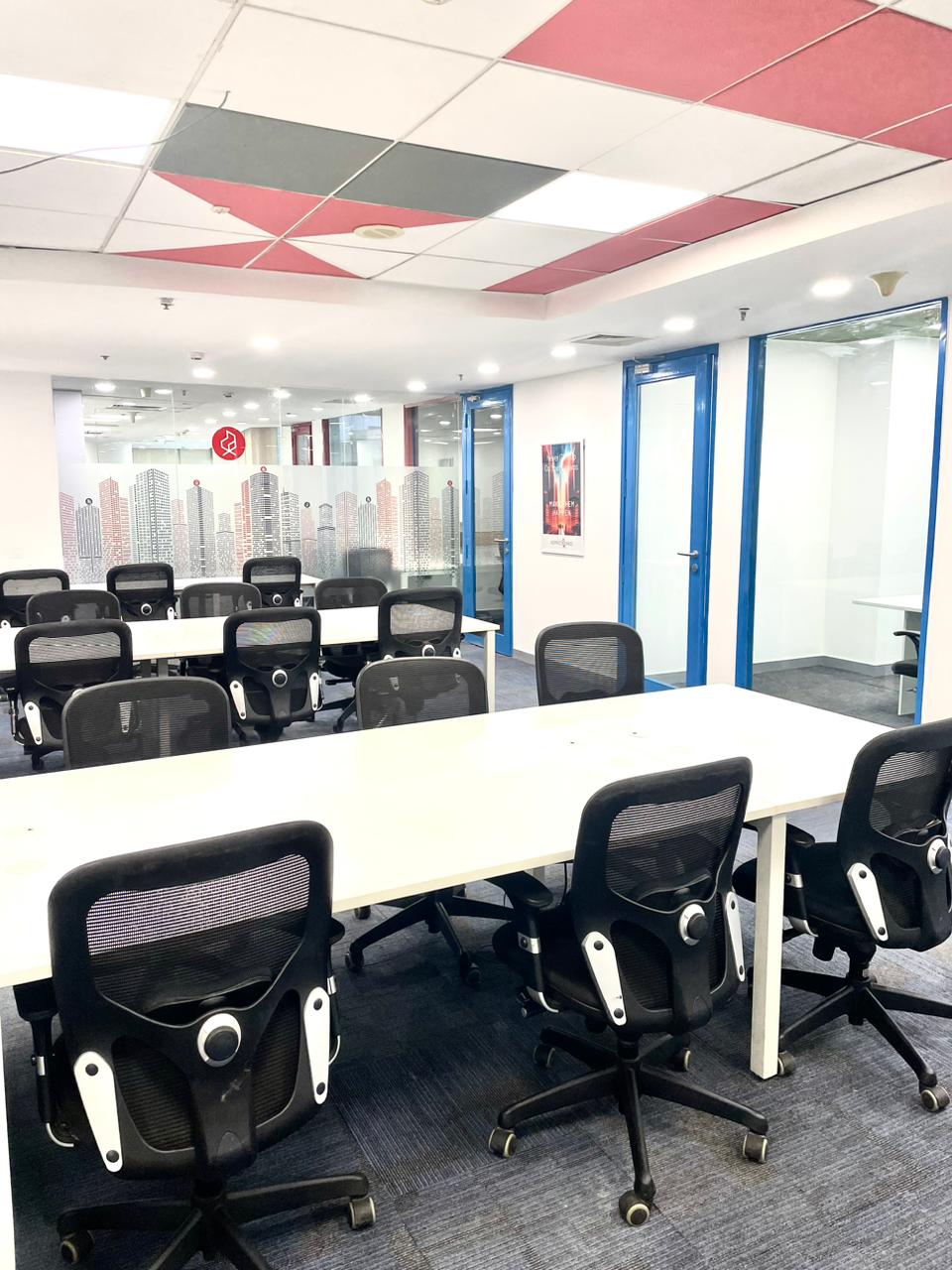


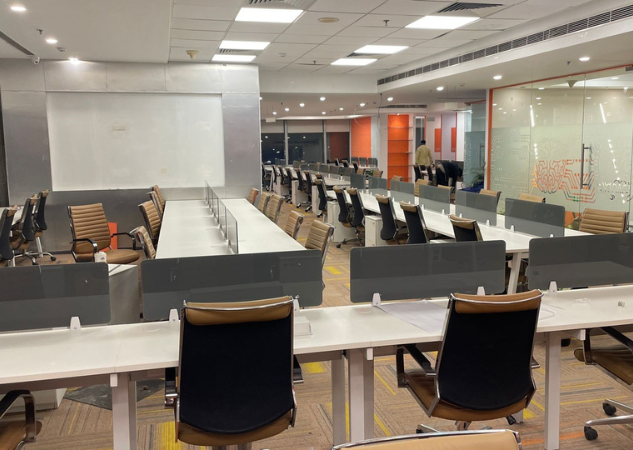
Coworking Space in Unitech Cyber Park, Gurgaon, 5th Floor

How to get a GST registered for your company in Delhi-NCR?

posted in: Coworking in South Delhi | 0

GST registration is essential for businesses in Delhi-NCR. Follow these steps to register your company under GST.

💡 Are you looking for Coworking space in Gurgaon, Noida or Delhi? We are just a call away.
Call now:   08999 828282

GST registration: 10 Steps to Register for GST in Delhi-NCR

  1. Determine Eligibility
  2. Gather Required Documents
  3. Register on the GST Portal
  4. Verification through OTP
  5. Application Processing
  6. ARN Generation
  7. GST Officer Verification
  8. GST Certificate
  9. Filing GST Returns
  10. Compliance

1. Determine Eligibility

Ensure that your business meets the eligibility criteria for GST registration. Generally, businesses with an annual turnover exceeding the threshold limit are required to register for GST. As per the last update, the threshold limit for GST registration for the sale of goods (normal category) is INR 40 lakhs per annum, and for providing services (normal category), it is INR 20 lakhs per annum. This threshold is for most states, including Delhi. However, this limit may change, so please check the latest threshold limit.
 

The Office Pass Gurgaon
The Office Pass (TOP) Managed Office on Golf Course Road, Gurgaon

2. Gather Required Documents

Prepare the necessary documents and information required for the registration process. These typically include:

  • PAN (Permanent Account Number) of the business.
  • Aadhaar card and photograph of the business owner and/or partners.
  • Address proof of the place of business (e.g., electricity bill, rent agreement, or property deed).
  • Bank account details (canceled check or bank statement).
  • Details of authorized signatories.
  • Digital signature (DSC) of the authorized signatory.
  • Partnership Deed (if applicable)

3. Register on the GST Portal

Visit the official GST portal (https://www.gst.gov.in) and click on the “New Registration” option. Fill out the required details in the GST registration application form.

Also Read: How to get your company registered in India?

4. Verification through OTP

After submitting the application, you will receive an OTP (One-Time Password) on your registered mobile number and email address. Enter the OTP to verify your application.

5. Application Processing

Once the application is verified, it will be processed by the GST authorities. They may ask for additional documents or information if necessary.

6. ARN Generation

You will receive an Application Reference Number (ARN) once your application is successfully processed. You can use this ARN to track the status of your application.

💡 SMBs looking for HR, Marketing, Technology and Funding solutions for their business.
Call Hello Jarvis  994 8000 800

7. GST Officer Verification

The GST officer may conduct a physical verification of your business premises. This is more common for businesses with a higher turnover.

8. GST Certificate

Once the GST officer is satisfied with the verification, a GST registration certificate will be issued. You can download this certificate from the GST portal.

9. Filing GST Returns

After obtaining the GST registration certificate, you are required to regularly file GST returns and comply with GST rules and regulations.

10. Compliance

Ensure that you follow all GST compliance requirements, such as collecting and remitting GST on time, maintaining proper records, and filing returns regularly.

Staying updated with the latest GST rules and regulations is essential as they may change over time. Additionally, consider seeking professional guidance from a chartered accountant or GST consultant to ensure accurate and smooth GST registration and compliance for your company in Delhi-NCR.

The Office Pass (TOP), TOP is a leading co-working space provider in Delhi and NCR Region. If you are looking for a office space for your new business then Contact us for more details at 08999 828282.

FREQUENTLY ASKED QUESTIONS (FAQS):

Question: What is GST Registration?

Answer: GST registration is the process of obtaining a unique Goods and Services Tax identification number for your business. It is mandatory for most businesses in India that exceed a specified turnover threshold.

Question: Who Needs to Register for GST in Delhi-NCR?

Answer: Any business with an annual turnover exceeding the prescribed limit (usually Rs. 20 lakhs for most states, including Delhi) must register for GST. However, this limit may vary for certain businesses.

Question: How to Apply for GST Registration in Delhi-NCR?

Answer: You can apply for GST registration online through the GST portal (https://www.gst.gov.in/). Fill out the necessary details and submit the required documents.

Question: What Documents are required for GST Registration?

Answer: Commonly required documents include a PAN card, Aadhar card, business registration proof, bank statements, and address proof. The specific documents may vary based on the type of business.

Question: What Is the GST Registration Fee?

Answer: The GST registration is generally free of cost. However, some service providers may charge a nominal fee for assistance with the application process.

Question: How Long Does It Take to Get a GST Registration Certificate in Delhi-NCR?

Answer: It usually takes around 7-10 working days for the GST registration certificate to be issued after the successful submission of the application.

Question: Is It Mandatory to File GST Returns in Delhi-NCR?

Answer: Yes, once registered, businesses are required to file regular GST returns. The frequency and type of return depend on the type of business and turnover.

BOOK A COWORKING TOUR

7 Best Ways Coworking Offices Can Help SMBs in Business Networking

Challenges of Being An Entrepreneur at the Age of 50+

posted in: Entrepreneur | 0

Starting a business at 50+ is rewarding but comes with unique challenges despite experience, knowledge and contacts.

💡 Are you looking for Coworking space in Gurgaon, Noida or Delhi? We are just a call away.
Call now:   08999 828282

10 Biggest Challenges Faced by Older Entrepreneurs in India

  1. Financial Risk
  2. Health Concerns
  3. Limited Time Horizon
  4. Learning Curve
  5. Networking Challenges
  6. Competition with Younger Entrepreneurs
  7. Access to Funding
  8. Balancing Family and Business
  9. Resistance to Change
  10. Stigma

1. Financial Risk

Starting a new business often requires a significant financial investment. Older entrepreneurs may have fewer years to recover financially if their business does not succeed, which can make taking financial risks more daunting.


The Office Pass Gurgaon
The Office Pass (TOP) Managed Office on Golf Course Road, Gurgaon

2. Health Concerns

Health issues may become more prominent as people age. Entrepreneurs in their 50s and beyond may need to manage their health and energy levels while also managing the demands of a new business.

3. Limited Time Horizon

Older entrepreneurs may have a shorter time horizon to build and grow their businesses compared to younger entrepreneurs. This can impact long-term planning and retirement considerations.

4. Learning Curve

Technology and business practices evolve rapidly. Older entrepreneurs may need to adapt to new technologies and trends, which can be challenging if they are not already familiar with them.

Also Read: Challenges faced by women entrepreneurs

5. Networking Challenges

Building a professional network can be more challenging for older entrepreneurs, as they may not have as many existing contacts in the business world compared to younger entrepreneurs.

6. Competition with Younger Entrepreneurs

Older entrepreneurs may face competition from younger, more tech-savvy individuals who have different perspectives and approaches to business.

7. Access to Funding

Securing funding for a new venture can be difficult at any age, but older entrepreneurs may face scepticism from investors who may wonder why they didn’t start a business earlier in life.

💡 SMBs looking for HR, Marketing, Technology and Funding solution for their business, call Hello Jarvis
now at  994 8000 800

8. Balancing Family and Business

Many older entrepreneurs have family responsibilities, including caring for ageing parents or supporting grown children. Balancing these obligations with the demands of a new business can be challenging.

9. Resistance to Change

Older entrepreneurs may have established routines and ways of thinking that can be resistant to change, which can be a hindrance in the fast-paced and dynamic world of entrepreneurship.

10. Stigma

Some people may view entrepreneurship as a young person’s game, and older entrepreneurs may encounter stereotypes or biases in the business world.

Despite these challenges, there are also advantages to being an older entrepreneur. These can include a wealth of life and work experience, a deeper understanding of industry dynamics, a strong work ethic, and a larger network of contacts. If you are aiming to start your journey as an entrepreneur at the age of 50, then choose The Office Pass (TOP), to set up your office. Located at prime locations in Delhi and NCR, TOP is a leading co-working space provider helping you collaborate with many like-minded professionals all working under one roof. Contact us for more details at 08999 828282.

FREQUENTLY ASKED QUESTIONS (FAQS):

Question: Is it common for people in their 50s and beyond to become entrepreneurs?

Answer: While entrepreneurship is often associated with younger individuals, there is a growing trend of older adults starting businesses in their 50s and beyond.

Question: What are the financial challenges faced by older entrepreneurs?

Answer: Older entrepreneurs may have limited financial resources and face higher financial risks due to a shorter time horizon for business success and retirement planning.

Question: How can older entrepreneurs adapt to rapidly changing technology and business practices?

Answer: Older entrepreneurs must spend time learning new technologies and staying up-to-date with evolving business trends. They can take courses, attend workshops, or hire younger employees with tech skills.

Question: What support or resources are available for older entrepreneurs?

Answer: There are organizations, business incubators, and mentorship programs tailored to older entrepreneurs. They provide guidance, resources, and a supportive community.

Question: What strategies can older entrepreneurs use to build a professional network?

Answer: Networking events, industry conferences, and online platforms can be helpful for older entrepreneurs looking to expand their professional network.

Question: How do health concerns impact older entrepreneurs?

Answer: Health issues may require older entrepreneurs to manage their workload carefully and prioritize self-care to ensure they have the energy and well-being to run a business.

Question: How can older entrepreneurs balance family responsibilities with running a business?

Answer: Time management, delegation, and open communication with family members can help older entrepreneurs juggle their business responsibilities and family commitments.

Question: What funding options are available for older entrepreneurs?

Answer: Older entrepreneurs can explore various funding sources, including personal savings, loans, angel investors, and crowdfunding, depending on their financial situation and business needs.

Question: Are there any benefits to being an older entrepreneur?

Answer: Yes, older entrepreneurs often bring a wealth of experience, industry knowledge, and a strong work ethic to their ventures, which can be valuable assets.

BOOK A COWORKING TOUR

Top 14 Tips to Recover from a Failed Business and Move Forward

How to Come Back from a Failed Business?

posted in: Business | 0

Failure can be a daunting experience for anyone, especially if it is a business failure. One may feel rejected, depressed, and like a complete novice after a business failure. Yes, it’s true that overcoming a failed business can indeed be a challenging and emotionally taxing process, but it is possible with the right approach and mindset. Here are steps to help you recover and move forward after a failed business:

💡 Are you looking for Coworking space in Gurgaon, Noida or Delhi? We are just a call away.
Call now:   08999 828282

Top 15 Tips to Overcome Business Failure

  1. Accept Reality
  2. Analyze the Failure
  3. Seek Professional Advice
  4. Settle Debts and Liabilities
  5. Liquidate Assets
  6. Learn from the Experience
  7. Reevaluate Your Goals
  8. Develop a New Business Plan
  9. Seek Support by Networking
  10. Secure Funding
  11. Stay Committed and Persistent
  12. Comply with Legal Obligations
  13. Embrace Continuous Learning
  14. Mind Your Mental Health
  15. Focus on Your Strengths
Coworking Space in Delhi
The Office Pass (TOP) Coworking Space in Delhi

1. Accept Reality

Acknowledge that your business has failed. Denial can prevent you from taking the necessary steps to move on. The sooner you accept it, the better it will be for you to rise again.

2. Analyze the Failure

Take time to understand why your business failed. Was it due to market conditions, financial mismanagement, a flawed business model, or something else? Identifying the root causes is crucial for avoiding similar mistakes in the future.

3. Seek Professional Advice

Consider consulting with a business advisor, mentor, or financial expert who can provide valuable insights and guidance based on their experience.

4. Settle Debts and Liabilities

Make a list of all outstanding debts and liabilities and create a plan to pay them off. Negotiate with creditors if necessary to come up with a repayment schedule that works for both parties.

5. Liquidate Assets

If possible, sell off any assets from your failed business to generate funds that can be used to pay debts or invest in a new venture. This will help planning in a better and cost-effective way.

6. Learn from the Experience

Reflect on your mistakes and the lessons learned. Use this knowledge to make more informed decisions in the future. Take every past mistake as a learning stone for a better business opportunity in the future.

Also Read: 5 Tips to generate more leads through Coworking Space

7. Reevaluate Your Goals

Most importantly, consider whether entrepreneurship is still the right path for you. You may decide to pursue a different business idea or explore other career options to get success in some other field. Research as much as you can about your current goals and if required make changes as per the current market scenario and demands.

8. Develop a New Business Plan

If you decide to start a new business, create a well-researched and realistic business plan. Take into account the lessons learned from your previous venture.

9. Seek Support by Networking

Connect with your professional network, friends, and family. They can provide emotional support and may also have valuable opportunities or advice. Seeking support and guidance from other professionals will truly help you come up with better ideas to manifest for a new business.

10. Secure Funding

Determine how you will finance your new business. This could involve personal savings, loans, investors, or crowdfunding. Set out an initial rough budget and arrange funds accordingly.

💡 SMBs looking for HR, Marketing, Technology and Funding solution for their business, call Hello Jarvis
now at  994 8000 800

11. Stay Committed and Persistent

Building a successful business takes time and effort. Be prepared for setbacks and challenges, and stay committed to your goals. Above all, stay positive and don’t demean yourself based on your past failures.

12. Comply with Legal Obligations

Ensure that you have closed your failed business properly by complying with all legal requirements, such as canceling registrations and licenses.

13. Embrace Continuous Learning

Stay up-to-date with industry trends, market conditions, and business strategies to increase your chances of success in your new venture.

14. Mind Your Mental Health

Last of all, remember that coping with business failure can be emotionally draining. So, don’t hesitate to seek the support of a mental health professional if you’re struggling with stress, anxiety, or depression.

15. Focus on Your Strengths

Identify your strengths and leverage them to your advantage. This might involve focusing on your core competencies or unique selling points.

Remember that setbacks and failures are a part of entrepreneurship. Many successful entrepreneurs have faced failures in their careers before achieving their goals. Your ability to bounce back, learn from your experiences, and apply those lessons to your new venture can ultimately lead to a successful comeback. Start again a new business with new aspirations and choose The Office Pass (TOP) to set up your new office. TOP is a leading coworking space provider located at prime destinations of Delhi and NCR.  Contact us for more details at 08999 828282.

FREQUENTLY ASKED QUESTIONS (FAQS):

Question: Is it possible to bounce back from a failed business?

Answer: Yes, many entrepreneurs have successfully recovered from failed businesses and gone on to build successful ventures.

Question: What are the first steps to take after a business failure?

Answer: Begin by assessing what went wrong, learning from your mistakes, and taking time to reflect on your goals and aspirations.

Question: What resources are available to help start over after a business failure?

Answer: Look into entrepreneurship programs, mentors, business incubators, and small business support organizations in your area.

Question: How to bounce back financially after a business failure?

Answer: You can bounce back financially by managing your personal finances carefully, paying off debts, exploring new income opportunities, and possibly seeking financial counseling or assistance if needed.

Question: How long does it typically take to recover from a failed business?

Answer: The timeline varies for each individual and depends on the specific circumstances. It may take several months to several years to fully recover.

Question: How to stay motivated during the challenging process of rebuilding?

Answer: Staying motivated can be tough, but setting clear goals, breaking them down into manageable steps, and celebrating small victories along the way can help maintain your enthusiasm.

Question: Are there successful entrepreneurs who have overcome business failures?

Answer: Yes, many famous entrepreneurs, including Steve Jobs and Walt Disney, faced business failures before achieving great success.

BOOK A COWORKING TOUR

Top Benefits of Using a Co-working Space for Your Startup

posted in: Indian Startup | 0

Increased opportunities to network, the latest amenities, freshly done office decor, and cost-effectiveness make a co-working space a perfect choice for start-ups. Using a co-working space for your startup can offer several benefits that can positively impact your business. Listed below are some of the top advantages for Start-ups to work in a co-working environment:

💡 Are you looking for Coworking space in Gurgaon, Noida or Delhi? We are just a call away.
Call now:   08999 828282

12 Benefits of Using a Co-working Space for Your Startup

  1. Cost-Effective
  2. Flexibility
  3. Networking Opportunities
  4. Professional Image
  5. Collaboration and Inspiration
  6. Access to Amenities
  7. Location
  8. Scalability
  9. Work-Life Balance
  10. Reduced Administrative Burden
  11. Community Support
  12. Global Presence
Coworking Space in Unitech Cyber Park, Gurgaon
The Office Pass (TOP) Coworking Space in Gurgaon

1. Cost-Effective

Co-working spaces are often more affordable than leasing traditional office space. Startups can save on overhead costs, such as rent, utilities, and maintenance, allowing them to allocate more resources to other essential aspects of their business.

2. Flexibility

Another benefit of choosing a Co-working space over a traditional office setup is that it typically offers flexible lease terms, including month-to-month options. This flexibility allows startups to easily scale up or down as their business needs change.

3. Networking Opportunities

Co-working spaces are hubs of creativity and innovation, bringing together entrepreneurs, freelancers, and professionals from various industries. This environment provides numerous networking opportunities, allowing startups to connect with potential collaborators, clients, and mentors.

4. Professional Image

Co-working spaces are well-designed, fully equipped, and maintained, giving your startup a professional image even if you’re a small team or solo entrepreneur. This can be crucial when meeting with clients, investors, or partners.

5. Collaboration and Inspiration

Being surrounded by like-minded individuals and diverse professionals can spark creativity and innovation. Co-working spaces often host events, workshops, and seminars, which can inspire startups and help them learn from others in the community.

6. Access to Amenities

One of the biggest advantages of choosing coworking space for start-ups is that they often come with various amenities such as high-speed internet, meeting rooms, printers, kitchens, and coffee bars, providing everything you need for a productive work environment without the hassle of setting it up yourself.

7. Location

Co-working spaces are often located in central areas of cities, making them easily accessible for you and your clients. This can be more convenient than a remote office location.

Also Read: Common problems faced by entrepreneurs while starting startups

8. Scalability

As your startup grows, co-working spaces can accommodate your increasing team size. You can rent additional desks, private offices, or meeting rooms as needed, which simplifies the process of expanding your business.

9. Work-Life Balance

Separating your work from your personal life can be challenging when working from home. Co-working spaces provide a structured work environment, helping you maintain a healthier work-life balance.

💡 SMBs looking for HR, Marketing, Technology and Funding solution for their business, call Hello Jarvis
now at   994 8000 800

10. Reduced Administrative Burden

Not to forget that co-working space providers take care of administrative tasks like cleaning, security, and maintenance, allowing you to focus on your core business activities.

11. Community Support

Many co-working spaces offer support services, mentoring programs, and access to a community of entrepreneurs who can provide advice and guidance. This can be invaluable for startups looking to overcome challenges and grow.

12. Global Presence

Some co-working chains have locations in multiple cities and countries, which can be advantageous for startups that need to travel or expand their operations globally.

Overall, co-working spaces offer a conducive environment for startups to thrive, providing not only a cost-effective workspace but also opportunities for networking, collaboration, and professional development. The specific benefits may vary depending on the co-working space and its location, so it’s essential to choose one that aligns with your startup’s needs and goals.

The Office Pass (TOP) is a leading coworking space provider that offers all the latest state-of-the-art amenities to new start-ups & businesses. Located at prime locations in Delhi, Noida and Gurgaon, TOP is a perfect co-working space for emerging start-ups. Contact us for more details at 08999 828282.

FREQUENTLY ASKED QUESTIONS (FAQS):

Question: What is a co-working space, and how does it differ from a traditional office?

Answer: A co-working space is a shared workspace where individuals and businesses work together in a common environment. It differs from a traditional office in that it offers flexibility, a collaborative atmosphere, and typically includes various amenities.

Question: What are the main benefits of using a co-working space for startup?

Answer: The main benefits include cost savings, flexibility in lease terms, networking opportunities, collaboration, access to amenities, a professional image, and a supportive community.

Question: How do co-working spaces help with networking and collaboration?

Answer: Co-working spaces bring together professionals from various backgrounds and industries, providing opportunities for organic networking and collaboration. Events and workshops often hosted in co-working spaces further facilitate these connections.

Question: Is it cost-effective for a startup to use a co-working space?

Answer: Yes, co-working spaces are generally cost-effective for startups because they eliminate the need for long-term leases, reduce overhead costs, and offer flexible pricing plans.

Question: Do co-working spaces offer professional amenities like meeting rooms and high-speed internet?

Answer: Yes, co-working spaces often provide professional amenities, including meeting rooms, high-speed internet, printers, kitchens, and more, which are included in your membership.

Question: How can a co-working space improve my startup’s work-life balance?

Answer: Co-working spaces offer a structured work environment, helping you separate work from personal life. This can contribute to a healthier work-life balance compared to working from home.

Question: How to choose the right co-working space for my startup?

Answer: Consider factors like location, cost, amenities, the community, and the specific needs of your startup when choosing a co-working space. It’s essential to visit potential spaces and assess how well they align with your business goals.

BOOK A COWORKING TOUR