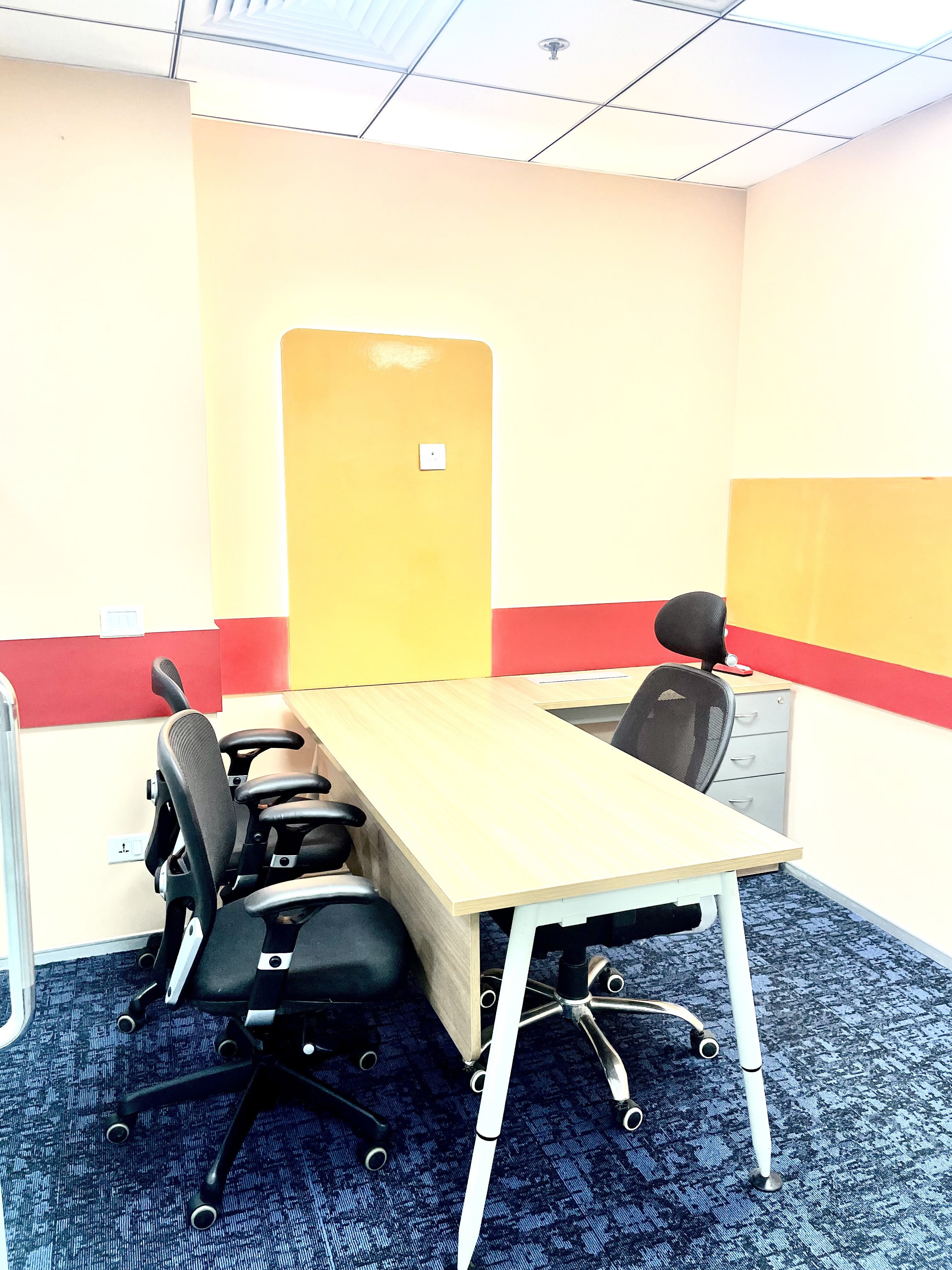

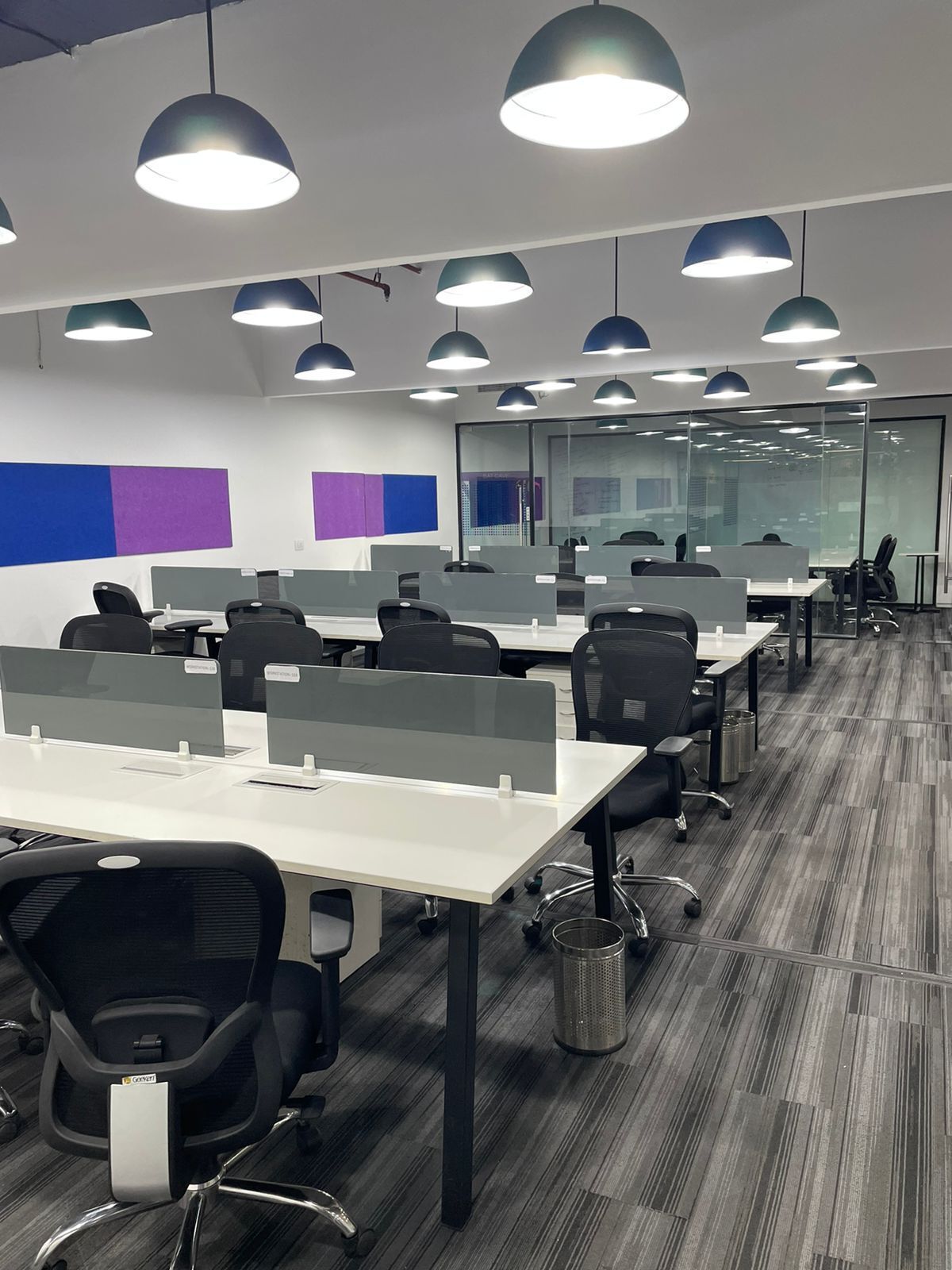
Coworking Space in Unitech Cyber Park, Gurgaon, 5th Floor

How to get your company registered in India?

posted in: Coworking | 0

India’s growing economy with numerous business opportunities is at the perfect juncture for aspiring entrepreneurs to start a company. However, registering a company in India involves several steps and legal procedures and may seem daunting. In this article, we share a comprehensive guide on the general steps to register a company in India:

💡 Are you looking for Coworking space in Gurgaon, Noida or Delhi?. We are just a call away.
Call now: 08999 828282

9 Simple Steps to Register your company in India

Step 1: Choose the Right Business Structure

Before you can begin the registration process, you must decide on the structure of your business. In India, there are various options, including:

  • Sole Proprietorship: A single-owner business.
  • Partnership: A business run by two or more individuals.
  • Limited Liability Partnership (LLP): A hybrid structure that offers the benefits of both a partnership and a company.
  • Private Limited Company: A separate legal entity with limited liability.
  • Public Limited Company: A publicly traded company with shareholders.

Your choice of business structure will determine the registration requirements and compliances you need to follow.

Step 2: Register for Digital Signatures

For most company registrations in India, you’ll need digital signatures for the directors or authorized signatories. This is essential for online submissions to government authorities. You can obtain digital signatures through certified agencies.

Step 3: Obtain Director Identification Number (DIN) and Digital Director Identification Number (DSC)

Directors of the company need to obtain a DIN, which is a unique identification number. Additionally, they should also get a Digital Director Identification Number (DSC), which is linked to their digital signature. These are obtained through the Ministry of Corporate Affairs (MCA) website.

Step 4: Choose a Unique Name for Your Company

Selecting a unique and meaningful name for your company is crucial. The name must comply with the Companies Act, 2013, and should not infringe on any existing trademarks. The name approval process can be done online through the MCA website.

Also Read: LLP or Private Limited Company, Which One Is Better for Me?

Step 5: File for Incorporation

Once you have your DIN, DSC, and a unique company name, you can proceed with filing the incorporation documents. The documents required will depend on your chosen business structure (LLP, Private Limited, etc.). This is a critical step, and seeking professional guidance is advisable to ensure accurate and complete documentation.

Step 6: Register for Goods and Services Tax (GST)

Depending on the nature of your business, you may need to register for GST, a value-added tax in India. GST registration is mandatory for most businesses with an annual turnover above a specified threshold.

Step 7: Apply for Permanent Account Number (PAN) and Tax Deduction Account Number (TAN)

You’ll need to apply for a PAN, which is a unique ten-digit alphanumeric identifier for tax purposes, and a TAN, which is necessary for tax deduction at source. These can be obtained through the Income Tax Department.

💡 Are you looking for Coworking space in Gurgaon, Noida or Delhi?. We are just a call away.
Call now: 08999 828282

Step 8: Register with Employees’ Provident Fund Organization (EPFO) and Employees’ State Insurance Corporation (ESIC)

If you have over 20 employees, you must register with EPFO. If you have more than 10 employees and pay a monthly salary below or up to INR 21000, you would need to register with ESIC,  to comply with labor laws in India.

Step 9: Open a Bank Account

You’ll need to open a bank account in your company’s name and provide the necessary documents, including the Certificate of Incorporation, to the bank.

It is advisable to seek professional assistance, such as hiring a chartered accountant or a company secretary, to guide you through the registration process and ensure compliance with all legal and regulatory requirements. The requirements and procedures may change over time, so it’s essential to check the latest guidelines and regulations from the Ministry of Corporate Affairs (MCA) and other relevant authorities.

The Office Pass (TOP) offers coworking spaces in Gurgaon, Delhi and Noida. Each coworking space is fully furnished, air conditioned, equipped with high-speed Wi-Fi and basic office infrastructure and designed for professionals who want to work undisturbed as well as those who want to collaborate with others. To know more, reach out to us at +91 89998 28282.

FREQUENTLY ASKED QUESTIONS (FAQS):

Question: What are the types of companies that can be registered in India?

Answer: In India, you can register various types of companies, including private limited companies, public limited companies, one person companies (OPCs), and limited liability partnerships (LLPs), among others.

Question: What is the minimum number of directors and shareholders required to register a private limited company?

Answer: A private limited company in India must have a minimum of two directors and two shareholders. One person can act as both a director and a shareholder.

Question: What are the key steps involved in registering a company in India?

Answer: The key steps include obtaining Digital Signature Certificates (DSCs), Director Identification Numbers (DINs), filing for name reservation, drafting and filing the Memorandum of Association (MOA) and Articles of Association (AOA), and obtaining a Certificate of Incorporation.

Question: How long does it take to register a company in India?

Answer: The time required for company registration in India can vary depending on several factors, but it typically takes 15 to 30 days to complete the entire process.

Question: What is the minimum capital requirement for registering a company in India?

Answer: There is no specific minimum capital requirement for most types of companies in India. You can start a private limited company with any capital, but deciding on an appropriate capital structure is important.

Question: Do I need a physical office address to register a company in India?

Answer: Yes, you need to provide a registered office address when registering a company in India. This address will be used for official communications.

Question: What are the compliance requirements for a registered company in India?

Answer: Registered companies in India must comply with various statutory requirements, including filing annual financial statements and annual returns with the Ministry of Corporate Affairs (MCA), conducting regular board meetings, and maintaining proper accounting records.

Question: What are the tax implications of registering a company in India?

Answer: The tax implications depend on the type of company and its activities. Companies in India are subject to corporate income tax, and Goods and Services Tax (GST) may apply depending on the nature of the business.
BOOK A COWORKING TOUR

5 Best CapEx and OpeEx Tips for Startup Entrepreneurs in India

Indian middle class families do not encourage entrepreneurship, Why?

posted in: Entrepreneur | 0

There are numerous entrepreneurial success stories in India, but the spirit of entrepreneurship faces a unique challenge in Indian households. Indian households, especially the middle class, lay emphasis on stable and secure career paths; however, the entrepreneurial landscape has evolved. In India, like in many other countries, attitudes towards entrepreneurship can vary widely among individuals and families, and no single viewpoint applies to all middle-class families. However, several factors might contribute to a perception that entrepreneurship is not always encouraged, and this article delves into the intricate dynamics of Indian middle-class families:

💡 Are you looking for Coworking space in Gurgaon, Noida or Delhi?. We are just a call away.
Call now: 08999 828282

5 Reasons why Indian middle class families do not encourage entrepreneurship

  1. Risk Aversion
  2. Societal Pressure
  3. Lack of Entrepreneurial Education and Exposure
  4. Fear of Failure
  5. Financial Constraints


The Office Pass Noida
The Office Pass (TOP) Coworking Space in Noida

1. Risk Aversion

A regular income with a predictable career path is what middle-class families mostly prefer. They often prioritize stability and financial security. The risk and uncertainty inherent to a new business can be daunting, and thus families may be hesitant to support entrepreneurial endeavors.

2. Societal Pressure

The fear of societal judgment is quite often the factor. In Indian society, traditional career paths such as engineering, medicine, and government jobs are considered worthy. Families get influenced by the opinions in the social circles and discourage entrepreneurship.

3. Lack of Entrepreneurial Education and Exposure

Skepticism also comes from a lack of entrepreneurial exposure. Moreover, Entrepreneurship often requires a different set of skills and knowledge compared to traditional employment. Some middle-class families feel overwhelmed by the unfamiliar path of entrepreneurship and may not know how to support or guide someone who wants to start their own business.

Also Read: Challenges Faced by Young Entrepreneurs

4. Fear of Failure

Failure is a common part of entrepreneurship, and the stigma attached to failure is challenging for families to accept. The attitude of accepting setbacks or business failures as a part of learning in entrepreneurship is lacking.

5. Financial Constraints

Starting a business needs a considerable monetary investment. And for middle class families, the financial resources are limited. The idea of business loans is discouraged because of the financial strain it might put on them.

💡 Are you looking for Coworking space in Gurgaon, Noida or Delhi?. We are just a call away.
Call now: 08999 828282

It’s important to note that these factors are not exclusive to Indian middle-class families and can be found in various cultures and socioeconomic groups around the world. Additionally, there are many examples of successful Indian entrepreneurs who have received support from their families and communities.

Attitudes towards entrepreneurship are evolving in India, and with the growth of the startup ecosystem in the country, there is an increasing recognition of the value of entrepreneurship as a means of economic growth and job creation. As more success stories emerge, the perception of entrepreneurship will likely continue to shift, and more families may become supportive of entrepreneurial pursuits.

If You are an Entrepreneur and looking for a coworking space in Noida, So you can prefer The Office Pass (TOP) neighborhood coworking which is a perfect location for your office. Reach out us at 8999 828282 to know more about the ideal co-working space for your startup.

FREQUENTLY ASKED QUESTIONS (FAQS):

Question: Why do many Indian middle-class families prefer traditional career paths over entrepreneurship?

Answer: Middle-class families often prioritize stability and financial security, which traditional career paths like medicine, engineering, or government jobs are perceived to provide.

Question: Do middle-class families in India discourage entrepreneurship due to a fear of financial risk?

Answer: Yes, the fear of financial instability associated with entrepreneurship can significantly discourage middle-class families from supporting it.

Question: Is societal pressure a common reason for discouraging entrepreneurship among Indian middle-class families?

Answer: Yes, societal expectations and the desire for social status can lead families to discourage entrepreneurship in favor of more conventional careers.

Question: How can a lack of understanding about entrepreneurship affect support from middle-class families?

Answer: A lack of understanding about entrepreneurship can lead to skepticism and a lack of support from families who may not see it as a viable career option.

Question: Are there any financial constraints that deter middle-class families from supporting entrepreneurship?

Answer: Yes, starting a business often requires significant capital, which middle-class families may be hesitant to risk.

Question: What efforts are being made to change perceptions and encourage entrepreneurship in India?

Answer: Various government initiatives, educational programs, and success stories of Indian entrepreneurs are working to change perceptions and promote entrepreneurship.

Question: Are there any specific industries or sectors where middle-class families are more supportive of entrepreneurship?

Answer: In recent years, there has been growing support for entrepreneurship in sectors like technology, e-commerce, and startups, where success stories have gained prominence.

BOOK A COWORKING TOUR

Meeting Room at The Office Pass (TOP) Coworking Space in Gurgaon

Pros and Cons of running a business from a Residential area

posted in: Business | 0

The place you choose to run your business from depends on the kind of business you have. Additionally, legal regulations, security concerns, connectivity and the image you wish to portray, play a significant role in the decision. There are both pros and cons of running a business from home. What weighs more heavily on your priority list from the advantages and disadvantages shared below can help you decide.

💡 Are you looking for Coworking space in Gurgaon, Noida or Delhi?. We are just a call away.
Call now: 08999 828282

5 Advantages of running a business from Residential area

  1. Cost Savings
  2. Convenience
  3. Tax Benefits
  4. Low Overhead
  5. Work-Life Balance

1. Cost Savings

The financial obligations can be better managed, especially in the case of startups with budget constraints. The expenses related to leasing or renting a commercial space can be saved or reduced if the business is run from a residential area.

2. Convenience

If the residential area you choose for business is also your home or close to home, you can save on both time and money. The reduced stress by eliminating the commute to work is a great plus point. It would also offer you more flexibility around work hours.

3. Tax Benefits

You can also benefit from the tax exemptions you qualify for in case of a home office. Depending on your location and tax laws, you may be eligible for certain tax deductions when you operate a business from your home.

4. Low Overhead

The overhead costs, like commercial electricity, can be avoided if your business address is residential. This gives a significant financial savings for a startup.

5. Work-Life Balance

Being at home allows for a better work-life balance and makes it easier to attend to personal matters during the workday.

The Office Pass Gurgaon
The Office Pass (TOP) Managed Office on Golf Course Road, Gurgaon

7 Disadvantages of running a business from Residential area

  1. Zoning and Regulations
  2. Limited Space
  3. Professional Image
  4. Distractions
  5. Isolation
  6. Security Concerns
  7. Neighbor Relations

1. Zoning and Regulations

Many residential areas have rules and regulations which prohibit any commercial activity. Thus, before investing in setting up an office, it is essential to check the legal implications.

2. Limited Space

Operating from a residential area might suit if it is a small startup, but as the team grows, space constraints impact work productivity. Also, a residential area would be impractical for businesses with manufacturing facilities.

3. Professional Image

The professional image operating from a commercial workspace offers is unparalleled. Thus, for businesses which rely on a polished appearance to attract clients, it makes sense to choose a commercial workspace.

💡 Are you looking for Coworking space in Gurgaon, Noida or Delhi?. We are just a call away.
Call now: 08999 828282

4. Distractions

Although working from home might be convenient, especially if you need to attend to personal matters, the distractions are aplenty. Working from home can be challenging due to potential distractions, such as household chores, family members, or pets.

5. Isolation

The networking opportunity is relatively limited and can be isolating. The social interactions that come with a traditional office environment are missed when working from home.

6. Security Concerns

Depending on your business, there may be security concerns related to having valuable equipment or inventory at home.

7. Neighbor Relations

In case your business generates increased noise, traffic, or other disruptions, your neighbors might complain.

To conclude, running a business from a residential area can be a viable option for small startups and home-based businesses. However, you need to consider the pros and cons before making your choice. A commercial location would serve the purpose better for businesses that require a more professional image or larger facilities.

The Office Pass (TOP) provides coworking space in Delhi, Noida and Gurgaon with amazing amenities includes high-speed internet, hi-tech conference and meeting rooms, a warm work environment and regular tea and coffee. If you are looking for perfect space for setting up your new office in Delhi-NCR then Contact us at 08999 828282 for more information.

FREQUENTLY ASKED QUESTIONS (FAQS):

Question: Is it legal to run a business from a residential area?

Answer: Running a business from a residential area is legal only if the regulations in the locality are in favor. While some areas strictly prohibit commercial activities, some may give exceptions to certain business types.

Question: What types of businesses are suitable for a residential area?

Answer: Home-based businesses that primarily involve office work, consulting, freelancing, online retail, or creative endeavors like writing or graphic design are often suitable for residential areas. Businesses with minimal customer traffic and noise are generally better suited.

Question: Are there any disadvantages to running a business from home in terms of professionalism?

Answer: Yes, operating from a residential area may not project a professional image to clients or customers, which can be a drawback for businesses that rely on a polished appearance to attract and retain clients.

Question: Are there any tax benefits to running a business from home?

Answer: Some tax benefits may be available, such as deductions for a home office, but eligibility depends on your specific situation and tax laws in your area. Consult with a tax professional for guidance on maximizing tax benefits.

Question: How can I maintain a work-life balance when running a business home?

Answer: Disciplining oneself and setting clear boundaries between work and personal life is essential. Establish specific work hours for a healthy work-life balance, and create a separate workspace within your home.

BOOK A COWORKING TOUR

10 Economic Benefits of Coworking Spaces for Startups in 2023

10 Top Problems faced by Solopreneurs 

posted in: Coworking | 0

Solopreneurs enjoy freedom and flexibility, but juggling every role can be overwhelming. Here are some common challenges they face on their journey.

💡 Are you looking for Coworking space in Gurgaon, Noida or Delhi?. We are just a call away.
Call now: 08999 828282

10 Top Problems faced by Solopreneurs in India

  1. Workload and Burnout
  2. Isolation
  3. Limited Resources
  4. Time Management
  5. Financial Insecurity
  6. Lack of Specialization
  7. Difficulty Scaling
  8. Market Competition
  9. Customer Dependency
  10. Legal and Regulatory Challenges


The Office Pass Noida
The Office Pass (TOP) Coworking Space in Noida

1. Workload and Burnout

Solopreneurs often find themselves juggling multiple roles, from marketing and sales to operations and customer service. The workload can become overwhelming, leading to burnout if not appropriately managed.

2. Isolation

Although working alone eliminates distractions, things can get lonely at times. Solopreneurs may feel demotivated and isolated and miss the social interactions of a traditional workplace.

3. Limited Resources

To compete with larger businesses, Solopreneurs need to invest in marketing, technology, and expansion. However, often limited or inadequate financial and human resources make it back-breaking.

4. Time Management

To be a successful Solopreneur, time management skills are a must-have. Juggling too many tasks due to the lack of a team to delegate tasks to, solopreneurs often get stressed for time. This, unfortunately, leads to inefficiency and hinders business growth.

Also Read: Benefits of Coworking Space for Entrepreneurs in India

5. Financial Insecurity

If one has chosen to be a Solopreneur, the unpredictable monetary inflow can cause stress and anxiety. This is especially true for a new venture.

6. Lack of Specialization

Running a business successfully needs expertise in not only the chosen business domain but also in the pillars of legal, accounting, and IT. The absence of sound experts in these can lead to mistakes or inefficiencies.

7. Difficulty Scaling

It might work well to be a Solopreneur when one starts a new venture; however, as the business grows, it becomes imperative that more hands are brought in to scale up and expand the company to its potential.

💡 Are you looking for Coworking space in Gurgaon, Noida or Delhi?. We are just a call away.
Call now: 08999 828282

8. Market Competition

Finding niche markets to take your unique product or service offerings is the greatest challenge for a Solopreneur.

9. Customer Dependency

For solopreneurs with small ventures, the customer base is usually limited, which is highly volatile. The revenue sources, when limited to a small audience, can be risky.

10. Legal and Regulatory Challenges

Running a business needs statutory compliance. Navigating the legal and regulatory requirements of running a business is not only time-consuming but also requires expert input.

To overcome these challenges and to stay resilient, solopreneurs can seek support through networking. They can assess and prioritize which tasks need their attention and which can be outsourced.

If You are an solopreneur and looking for a coworking space in Noida, Delhi or Gurgaon, So you can prefer TheOfficePass (TOP) neighborhood coworking spaces which is a perfect location for your office. Contact us at 08999 828282 for more details

FREQUENTLY ASKED QUESTIONS (FAQS):

Question: What is a solopreneur, and how is it different from an entrepreneur?

Answer: An entrepreneur who runs their business independently, without employees or partners, is called Solopreneur. A Solopreneur does not have a team or co-founder.

Question: How do solopreneurs manage their workload effectively?

Answer: To be able to run a business successfully as a Solopreneur, time management, prioritization, and possibly outsourcing tasks are common strategies.  

Question: What are the main financial challenges for solopreneurs?

Answer: Limited resources and inconsistent income can be challenging. Solopreneurs often struggle with managing cash flow.

Question: What strategies can solopreneurs use to stay motivated and combat loneliness?

Answer: Solopreneurs can join networking groups, mastermind sessions, or seek mentors for support. Maintaining a clear vision and setting achievable goals helps with motivation.

Question: What legal and administrative challenges do solopreneurs face?

Answer: The legal regulations and compliances like business registration, taxes, and contracts can be challenging for Solopreneurs. In some cases, they might also face intellectual property issues.

Question: What is the best way for solopreneurs to scale their businesses?

Answer: Scaling can be challenging for solopreneurs, but it’s possible through strategic partnerships, outsourcing, and automation of repetitive tasks.

Question: How can solopreneurs achieve a work-life balance?

Answer: Solopreneurs quite often get burnout. To avoid it and to maintain work-life balance, Solopreneurs can set and maintain boundaries, set work hours, and take regular breaks.

BOOK A COWORKING TOUR